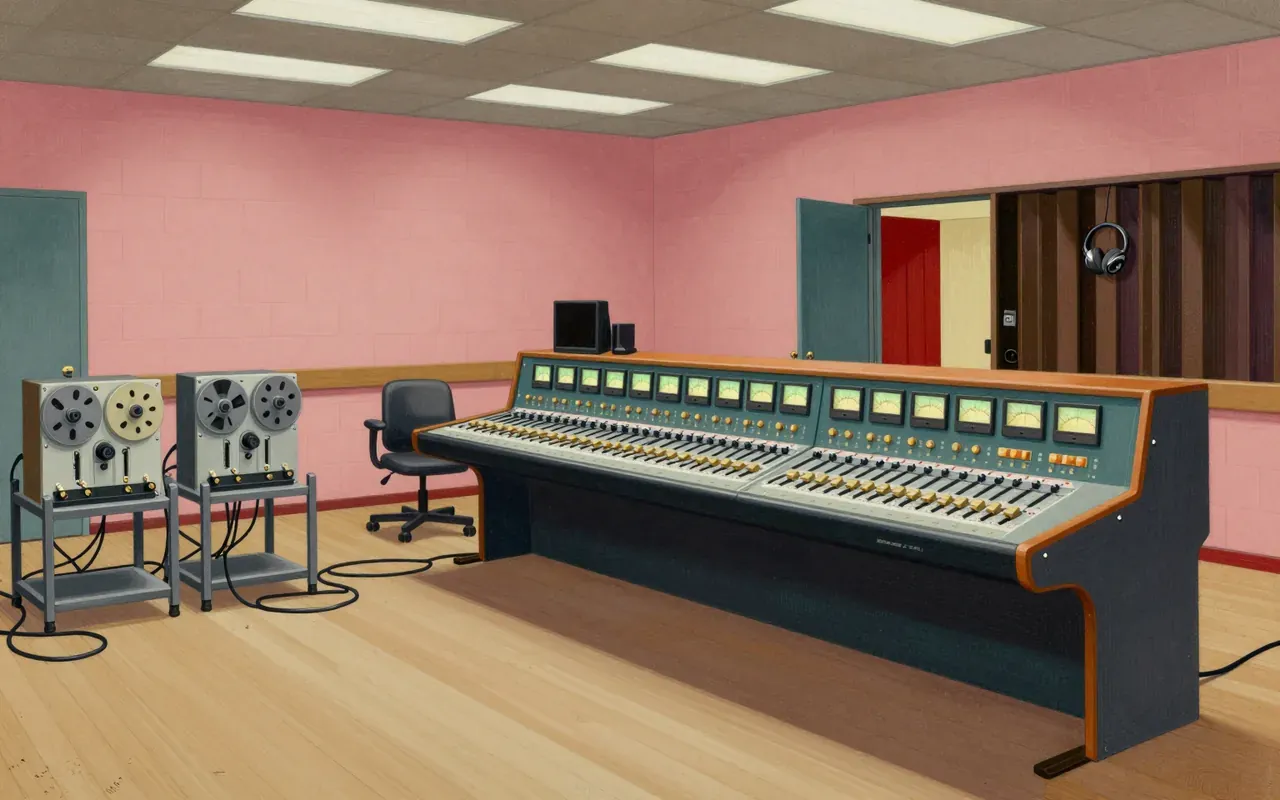
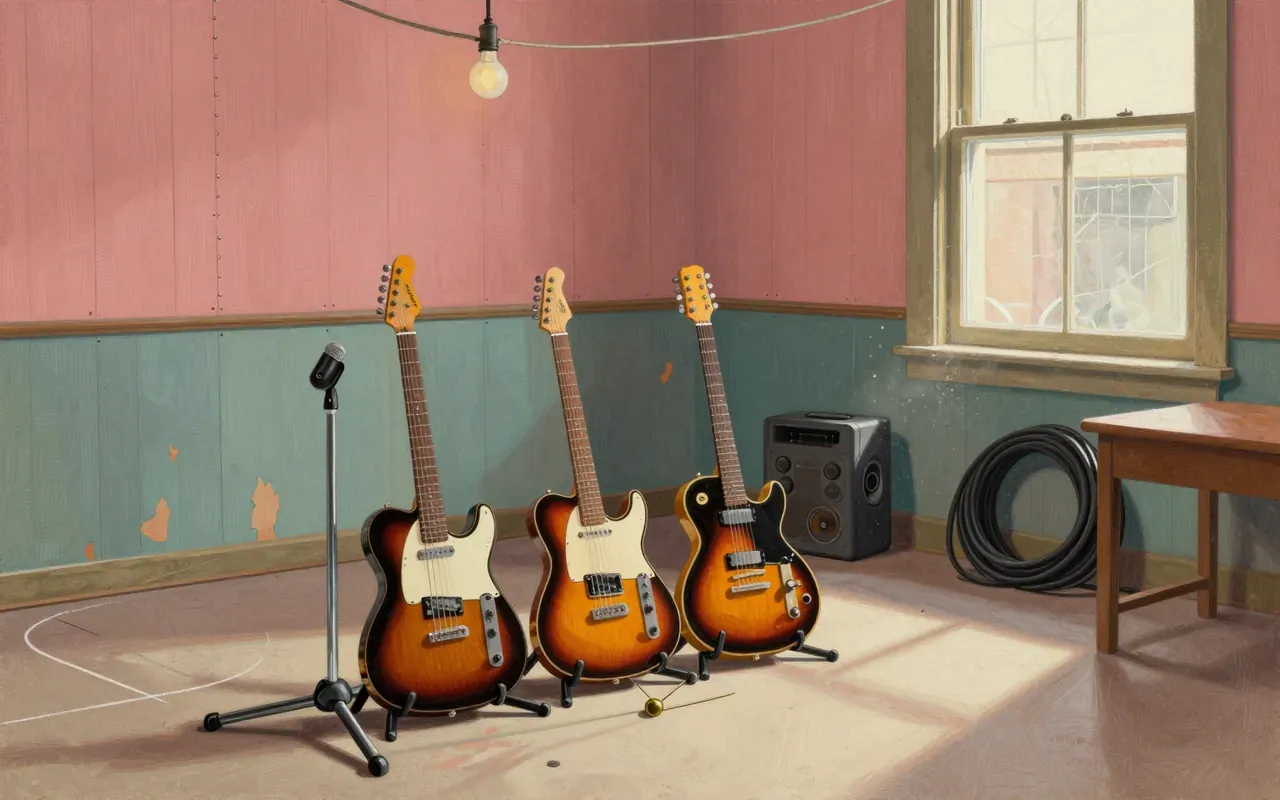
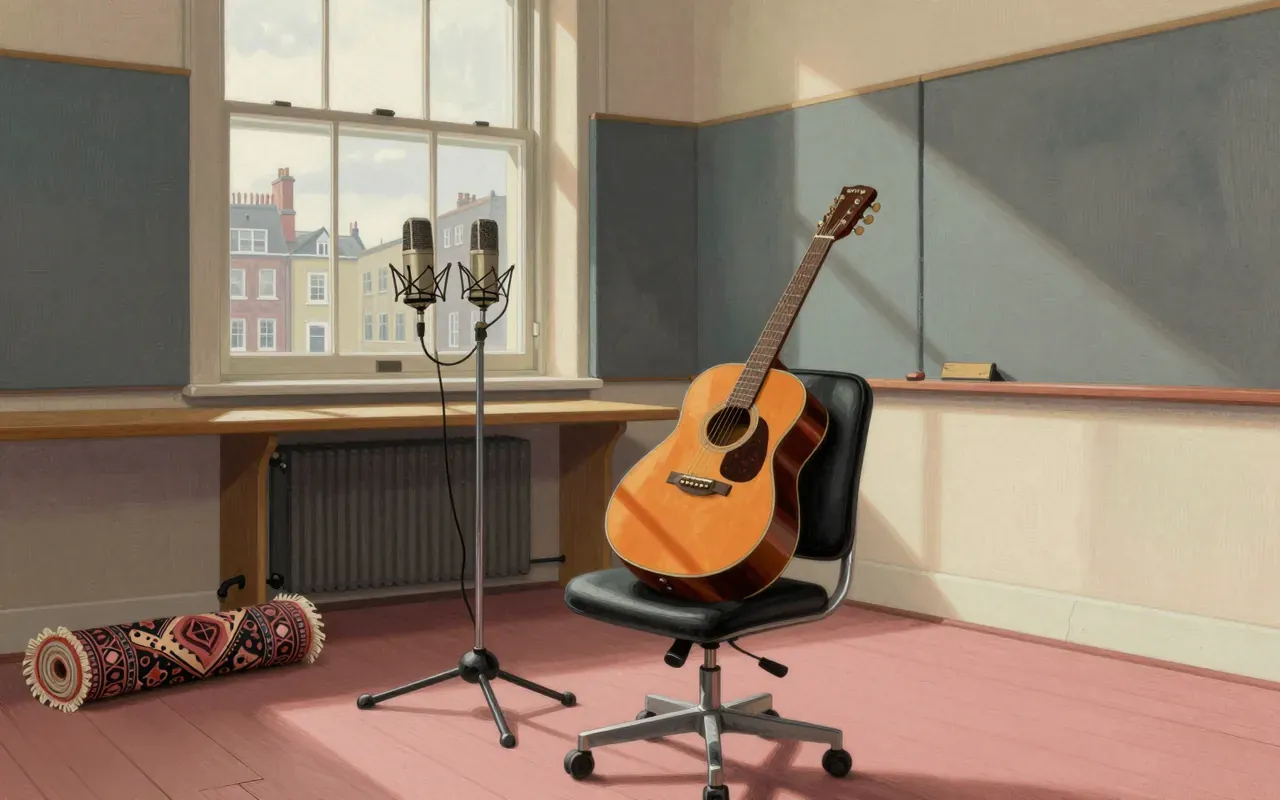
All Things Must Pass is a triple album released by George Harrison in 1970. It features two discs of original songs and a third disc of informal jams titled Apple Jam. The album was co-produced by Phil Spector using his Wall of Sound technique. It includes contributions from Eric Clapton, Ringo Starr, Billy Preston, Klaus Voormann, Gary Wright, Badfinger, Pete Drake, and members of Delaney & Bonnie’s Friends. Most backing tracks were recorded on 8-track tape at EMI Studios in London between late May and mid-June 1970, with overdubbing and mixing continuing through October. The Apple Jam disc contains four improvised instrumentals built around minimal chord changes — or, in the case of 'Out of the Blue', a single-chord riff — and one vocal track, 'It's Johnny's Birthday', performed to the melody of Cliff Richard’s 'Congratulations'. The album was critically acclaimed and widely regarded as Harrison’s best work.
Film placements are the ones described in each film's own entry, so the list is partial rather than complete.
Worth your time?
Yes. Hear the whole thing.
4.5/ 5
What works
My Sweet Lord lands with its Hare Krishna chant and gospel choir.
What Is Life lands with its brass stabs and driving beat.
Wah-Wah lands with its raw, distorted slide guitar.
Isn’t It a Pity (version one) lands with its seven-minute sweep and orchestral swell.
What does not
It does not sound sparse.
It does not sound intimate.
It does not sound like a solo guitar-and-voice session.
It does not sound like Abbey Road or Let It Be.
Hear it if
People who want to hear how spiritual conviction translates into sonic mass.
People who respond to deliberate, unapologetic production.
People who value Harrison’s slide guitar as a voice — not an ornament.
Skip it if
People who prefer restraint, brevity, or dry studio realism.
Who should hear it, and who should skipHide who it is for
The written brief2 min read
What the record is and where it came from
All Things Must Pass is George Harrison’s first solo studio album after the Beatles’ break-up in April 1970. Recorded at EMI Studios in London from May to October 1970, it is a triple vinyl album: two discs of songs and a third disc of informal jams titled Apple Jam.
How it sounds, and how it was made
It sounds like a dense, reverberant wall of guitars, strings, choirs and percussion. Phil Spector co-produced using his Wall of Sound technique. Most backing tracks were recorded on 8-track tape at EMI Studios in London between late May and the second week of June 1970. Overdubbing and mixing continued through October. The Apple Jam disc contains four improvised instrumentals built around minimal chord changes — or, in ‘Out of the Blue’, a single-chord riff — plus one vocal track sung to the melody of Cliff Richard’s ‘Congratulations’.
What lands
My Sweet Lord lands with its Hare Krishna chant and gospel choir. What Is Life lands with its brass stabs and driving beat. Wah-Wah lands with its raw, distorted slide guitar. Isn’t It a Pity (version one) lands with its seven-minute sweep and orchestral swell. All Things Must Pass lands with its slow, hymnal gravity.
What does not
It does not sound sparse. It does not sound intimate. It does not sound like a solo guitar-and-voice session. It does not sound like Abbey Road or Let It Be. There is no studio banter, no false starts, no acoustic transparency.
The ideas inside it
Spiritual yearning. Release from constraint. The weight of accumulation. The necessity of letting go. These are not abstract themes. They are embedded in the music’s density, its repetitions, its long takes, its layered vocals, its instrumental excess.
Who should hear it, and who should not
People who want to hear how spiritual conviction translates into sonic mass. People who respond to deliberate, unapologetic production. People who value Harrison’s slide guitar as a voice — not an ornament. Not people who prefer restraint, brevity, or dry studio realism.
Is it worth your time
Yes. It is a definitive post-Beatles statement: sonically bold, spiritually direct, and structurally ambitious. Its scale and production choices demand attention — not reverence.