
musicbriefs
Label

Factory

3
briefs
11:53
average
36 min
in total
On music.briefs3
9:40

Power, Corruption & Lies

New Order · 1983

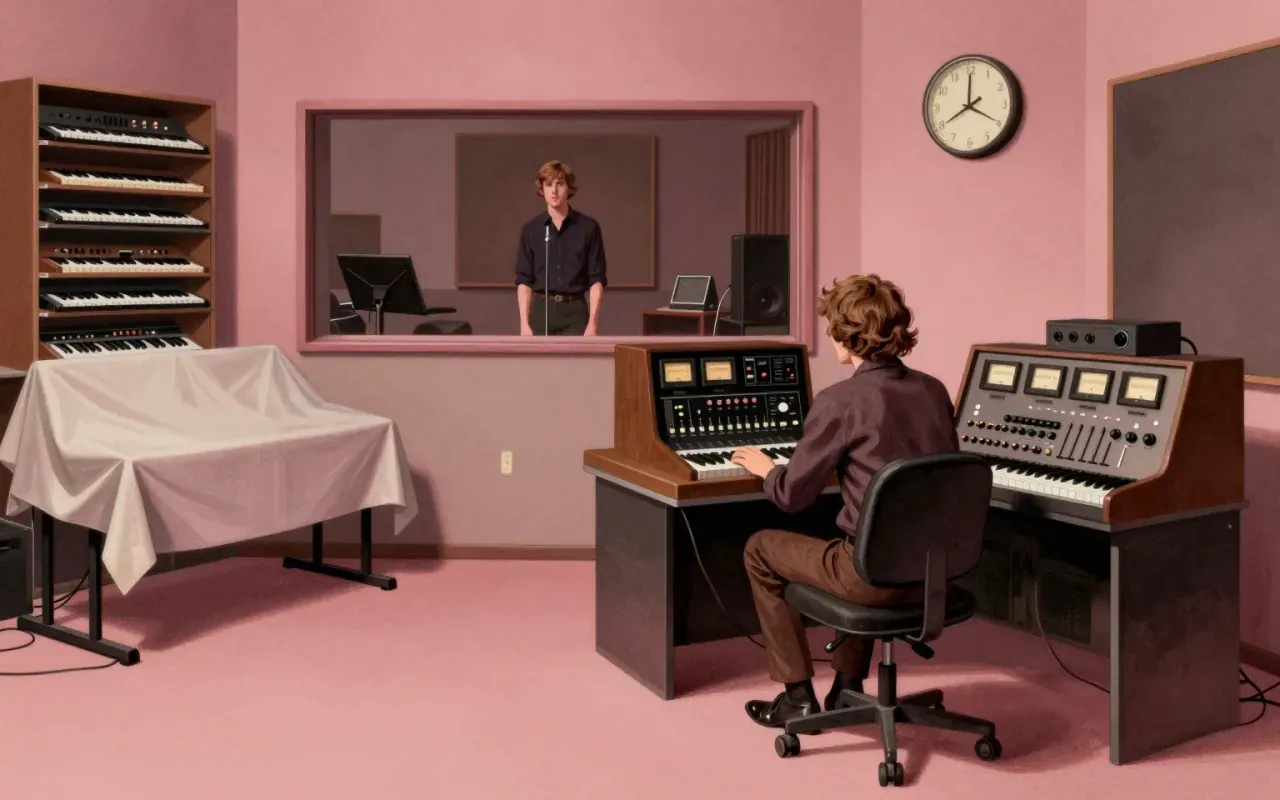
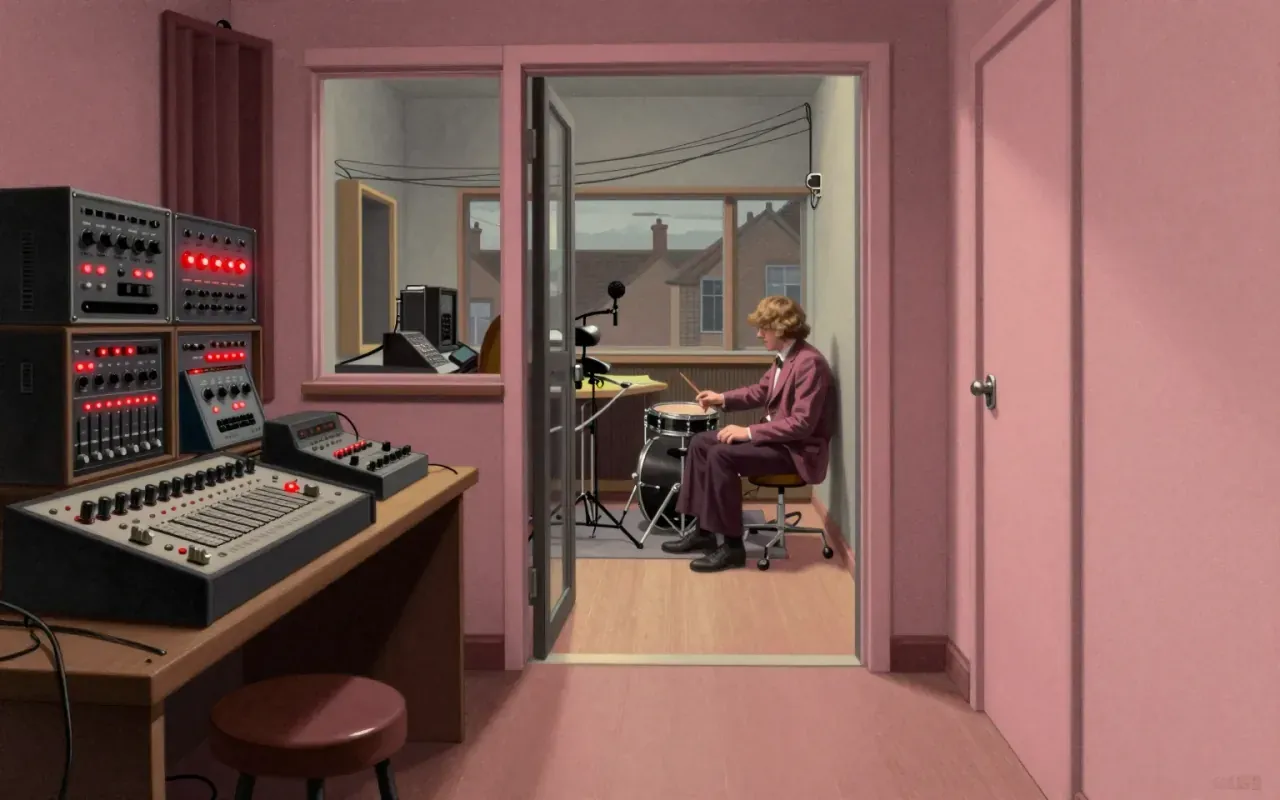
New Order’s Power, Corruption & Lies is their second studio album, released 2 May 1983 by Factory Records. It features more electronic tracks and heavier synthesiser use than Movement. It combines post-punk roots with electronic influences into synth-pop, electropop, new wave, synth-rock, dance-rock, post-punk and dance-punk. At the time, it was the heaviest the band had ever flirted with electronica. Its sound has been characterised as a gentle portrait of ambient, post-industrial tenderness. '5-8-6' has been called a literal interpretation of early house music, with noted influences from Kraftwerk and Giorgio Moroder. Darker songs such as 'We All Stand' and 'Your Silent Face' are contrasted with brighter, more optimistic songs such as 'The Village'. 'Blue Monday' was recorded in the same sessions and released separately as a non-album twelve-inch single.
13:00

Closer

Joy Division · 1980

Closer is Joy Division's second and final album, made at Britannia Row Studios in London in March 1980 and released that July, two months after Curtis's suicide. Martin Hannett produced again, pushing further into synthesisers and drum machines than on the debut, while Hook and Sumner still argued with his mixing choices. J.G. Ballard's fiction shaped several lyrics, most directly on the opening track. The record topped critics' year-end lists before its title became impossible to hear as anything but literal.

13:00

Unknown Pleasures

Joy Division · 1979

Unknown Pleasures is the 1979 debut from Joy Division, made at Strawberry Studios in Stockport with producer Martin Hannett and released on Tony Wilson's Factory label. Ian Curtis, Peter Hook, Bernard Sumner and Stephen Morris arrived with a harder live set; Hannett rebuilt it around delay units, tape echo and studio noise borrowed from the building itself. The band's own verdict on the result was divided for years. It sold no singles at all and still became one of the most cited records in British rock.