What the record is and where it came from
The Cars’ 1978 debut emerged from the Boston group’s club work and demos, with Roy Thomas Baker producing. Its songs place an established appetite for rock hooks beside newer electronic resources. The combination supplies both familiarity and a measure of distance.
How it sounds, and how it was made
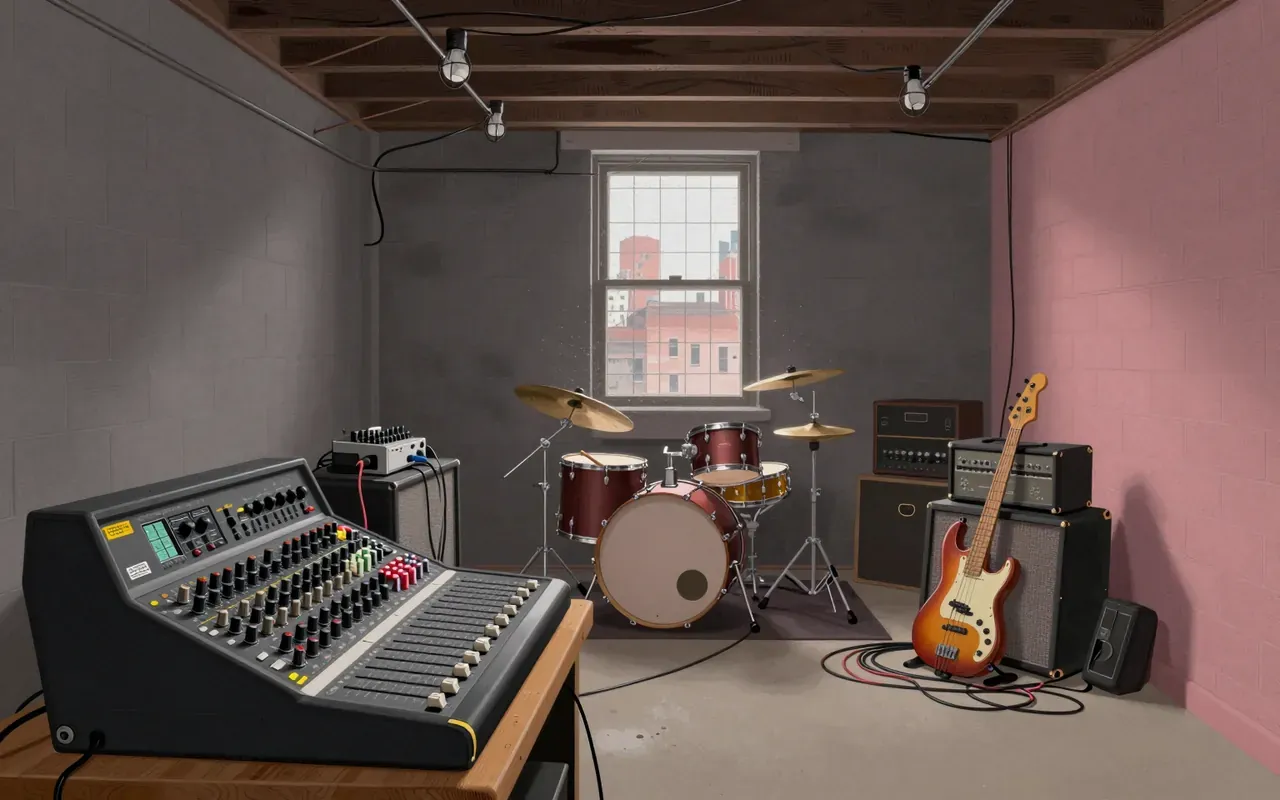
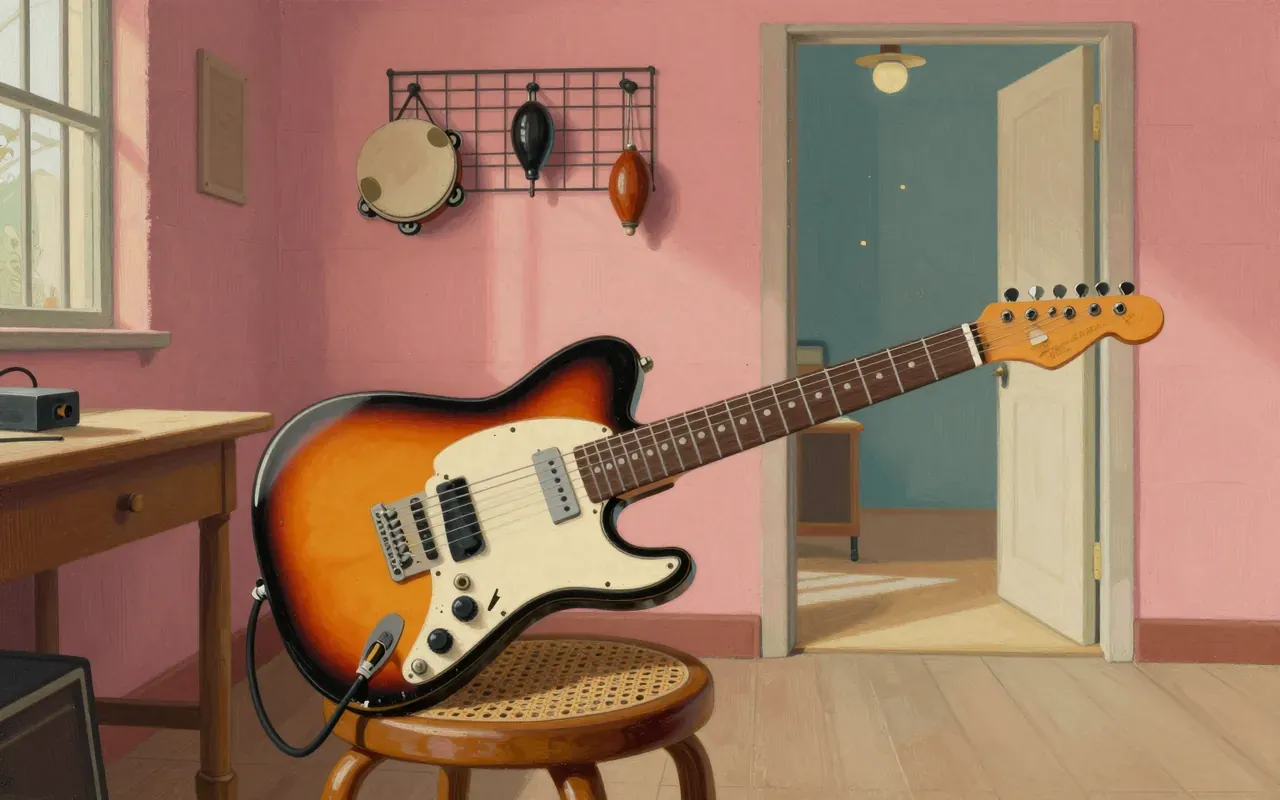
Ric Ocasek and Benjamin Orr share lead-vocal duties, with Elliot Easton’s guitar, Greg Hawkes’s keyboards and David Robinson’s drums and electronic percussion shaping the arrangements. The band actively used contemporary equipment, making technology part of its musical identity rather than an occasional decoration.
What lands
“Just What I Needed,” “My Best Friend’s Girl” and “Good Times Roll” make the songs immediately accessible. Irony in the writing complicates that accessibility: the music can invite participation while the voice seems less fully committed to the sentiment. The resulting poise is distinctive.
What does not
The emotional reserve can become a limitation. Listeners who want a singer to inhabit a feeling without qualification may find the distance frustrating. The precise presentation also leaves less room for the sense of a band discovering the song during the take.
The ideas inside it
Pop pleasure can survive a knowing attitude toward its own conventions. The album’s hooks do not disappear because the delivery has an ironic edge. Its interest lies in keeping attraction and self-consciousness active at the same time.
Who should hear it, and who should not
Hear it for the way guitar and electronic parts share concise song structures. It is a less natural fit for someone whose favourite rock records feel loose and unguarded.
Is it worth your time
Yes. The debut offers a concentrated account of the band’s strengths, with enough arrangement detail to reward attention beyond the singles.