What the record is and where it came from
Pure Heroine is Lorde’s debut studio album, co-written with Joel Little and recorded at Golden Age Studios in Auckland in less than a year. It was shaped by feedback from A&R Scott Maclachlan and inspired by lyrics shared with boyfriend James Lowe. It is electronica, electropop, and dream pop.
How it sounds, and how it was made
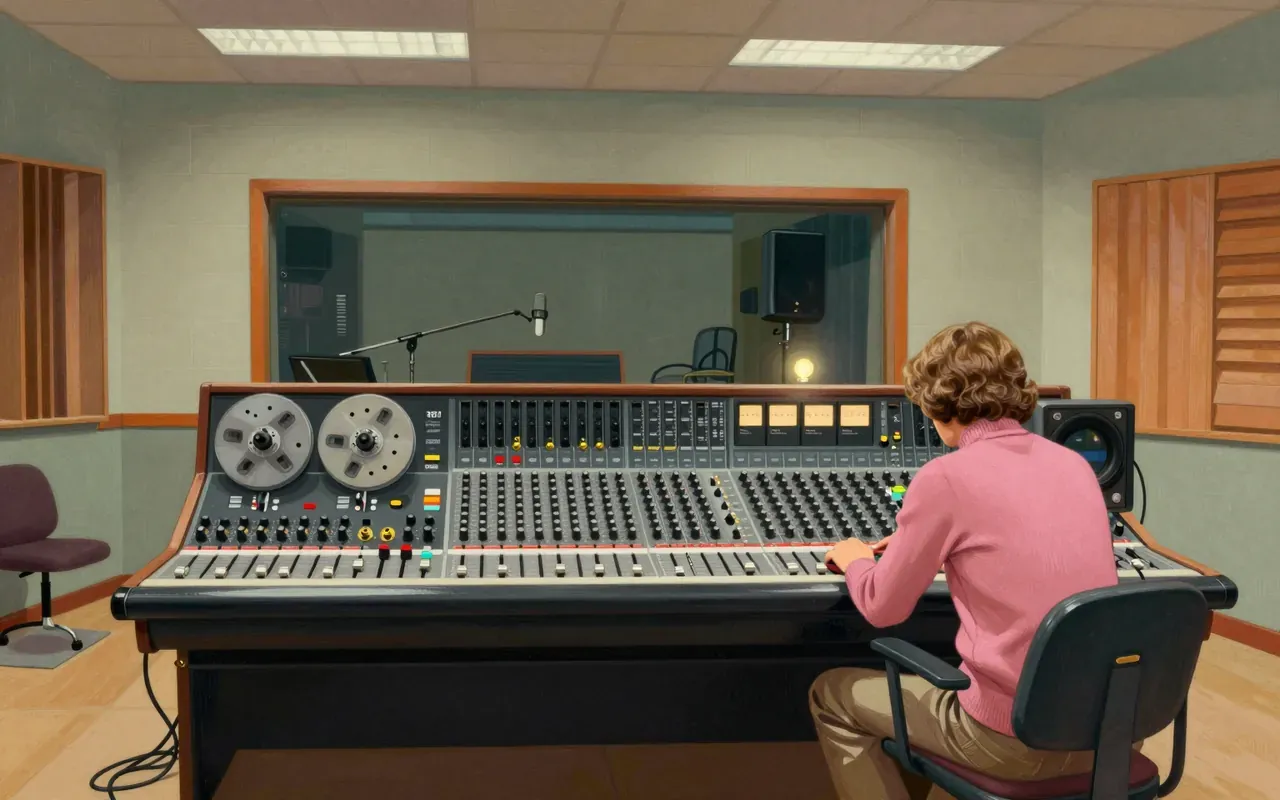
It sounds like deep bass, programmed beats, and a voice placed front and centre in a small Auckland studio with no expensive technology. The production is minimalist. Vocal treatments borrow from SBTRKT, Grimes, and Sleigh Bells—chopped, layered, or lashed—but the document does not specify how those techniques were applied to individual tracks. No instruments beyond programmed elements are named. The room is Golden Age Studios: small, unadorned, functional.
What lands
The vocal focus lands. The bass lands. The programmed beats land. ‘Royals’, ‘Tennis Court’, ‘Team’, and ‘Glory and Gore’ land as singles. The ten-track running order lands—no filler. The whisperpop delivery lands as a deliberate stylistic choice, not a limitation.
What does not
It does not offer instrumental solos, live drumming, or harmonic complexity. It does not use orchestration, guitar solos, or analog warmth. It does not resolve its tensions—it observes them, repeats them, leaves them hanging.
The ideas inside it
It explores youth, materialism, fame, consumer culture, and social status through metaphors like teeth and suburban mundanity. It critiques mainstream culture. It portrays suburban teenage disillusionment. It is built on Lorde’s unfamiliarity with instruments, making her voice the sole melodic and rhythmic anchor.
Who should hear it, and who should not
People who listen to pop for its architecture, not its ornament. People who care how space is used in a mix. People who want to hear what a voice can do when it’s the only instrument given authority. Not people who need virtuosity, narrative closure, or sonic variety.
Is it worth your time
Yes—if you want pop that treats teenage disillusionment as structural, not sentimental, and uses minimalism as constraint, not aesthetic. It is not worth your time if you need instrumental detail, dynamic range, or lyrical resolution.