What the record is and where it came from
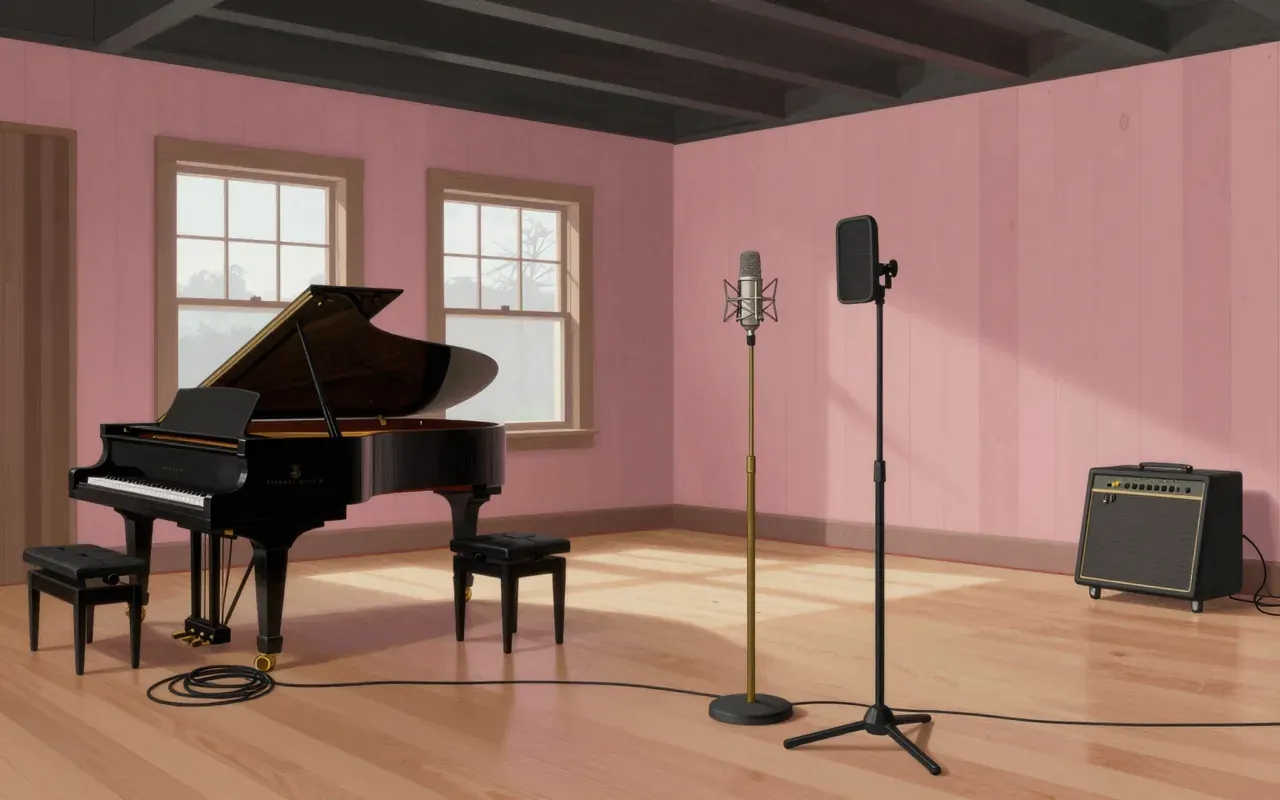
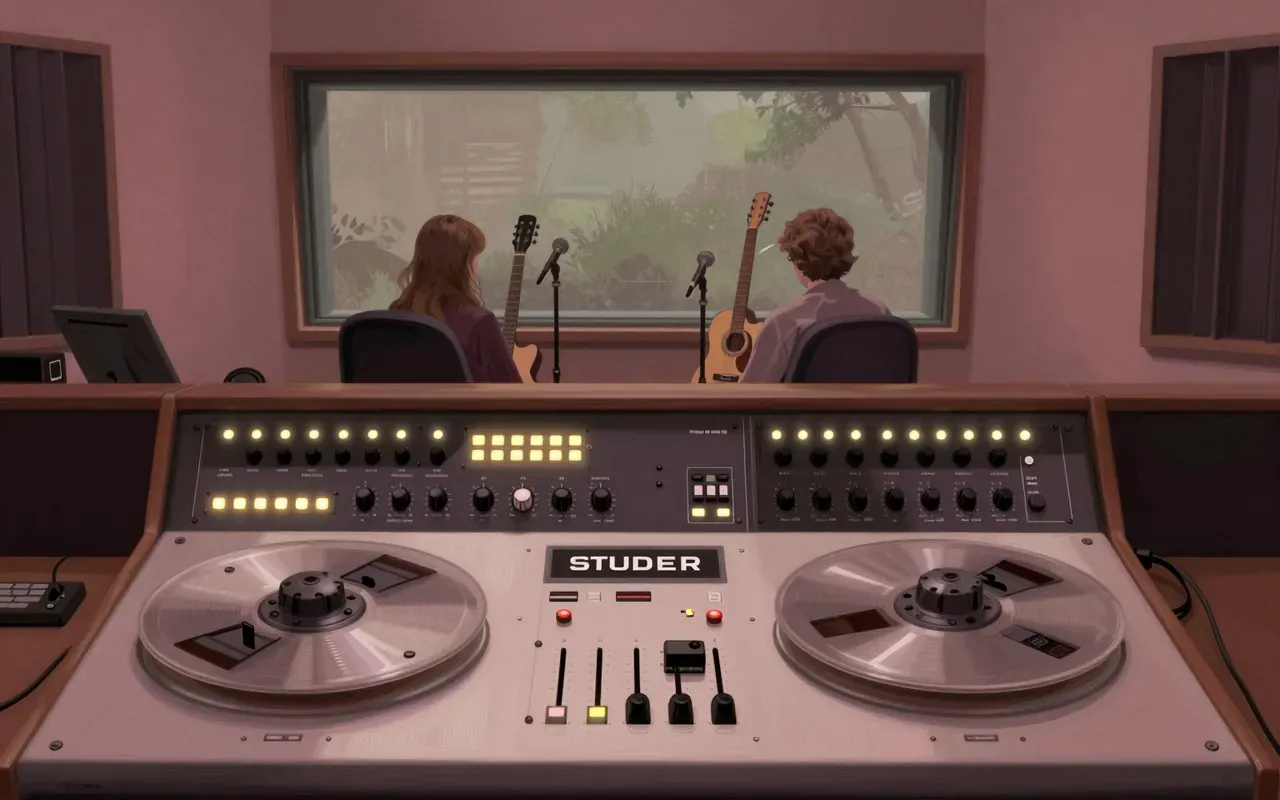
Time (The Revelator), released in 2001, was co-written with David Rawlings and largely recorded at RCA Studio B. “I Want to Sing That Rock and Roll” came from a live performance at the Ryman. The record’s modest performing resources make the relationship between the two musicians central.
How it sounds, and how it was made
Guitars and vocal harmonies carry much of the expressive work. The recorded “Revelator” began as a microphone test, while “I Dream a Highway” was assembled from two early performances. These methods preserve discovery without requiring the finished album to be an untouched document.
What lands
The extended closing piece gives the partnership time to explore where harmony and guitar responses can lead. The shorter songs supply another scale around it. What matters is the musicians’ capacity to keep a limited palette active through attention to one another.
What does not
The long closing span can feel disproportionate if the instrumental relationship does not hold you. The restrained presentation also offers little spectacle to renew a distracted listener’s interest. Patience is part of the record’s appeal and a real condition of entry.
The ideas inside it
Time changes what a musical idea can reveal. A phrase encountered once has a different effect from a pattern lived with across an extended performance. The recording history supports that openness while acknowledging the shaping role of editing.
Who should hear it, and who should not
Hear it when you can give quiet performances sustained attention. It is a poor choice if music needs to keep announcing itself through new sounds.
Is it worth your time
Yes. Let the final track take the space it needs, preferably after the rest of the album has established the duo’s working language.