What the record is and where it came from
Released in 2008, 808s & Heartbreak followed the death of Kanye West’s mother and the end of his engagement. His fourth studio album shifts much of its emphasis from rapping to singing. That change makes the handling of the voice the central question of the record.
How it sounds, and how it was made
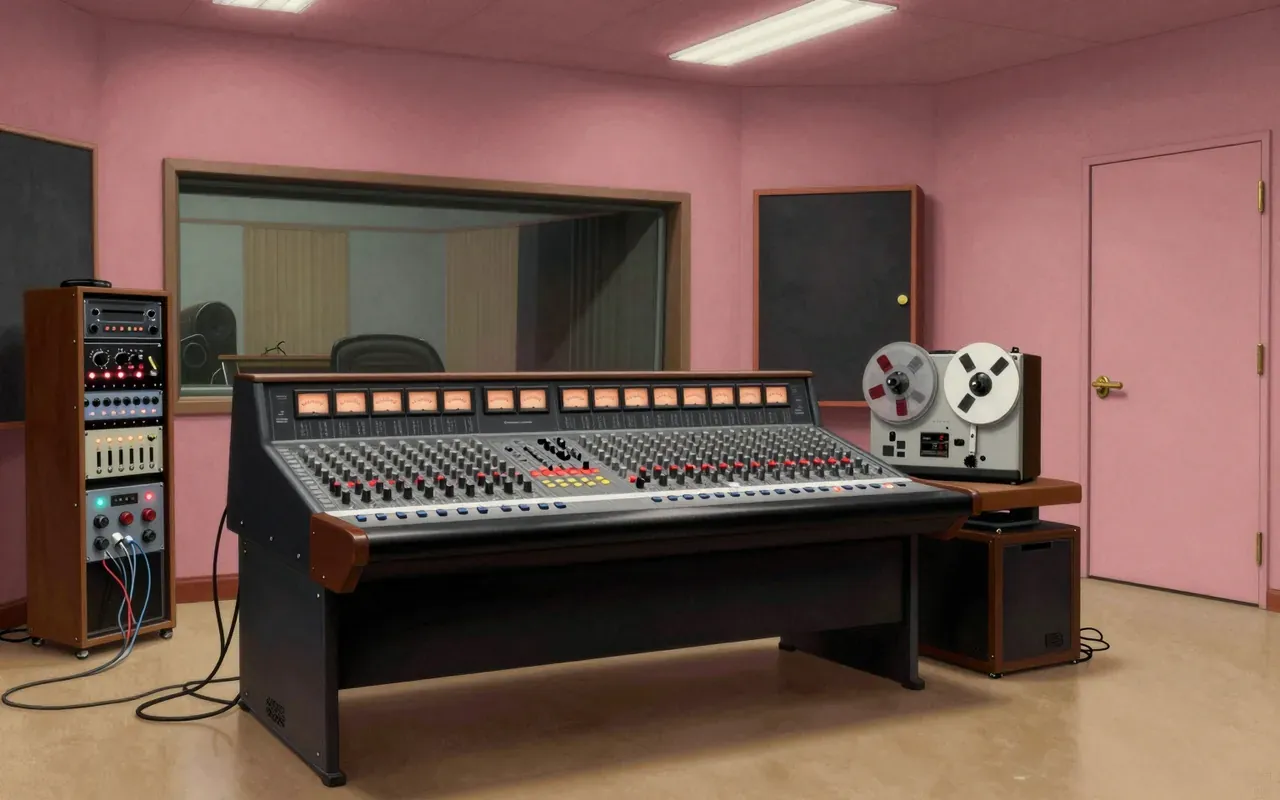
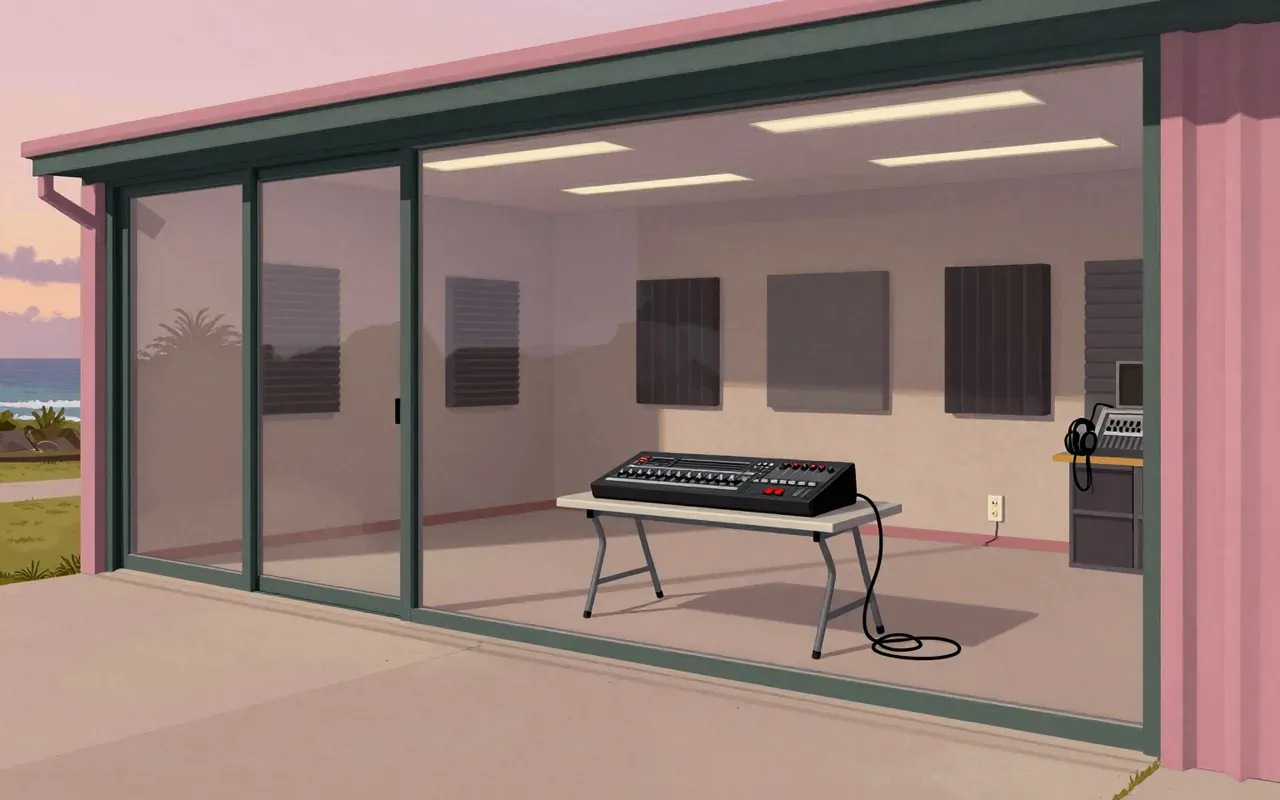
Auto-Tune and a minimal electronic palette built around the Roland TR-808 define the sound. Collaborators include Kid Cudi, Mr Hudson and Jeff Bhasker. The processed vocals do not remove vulnerability: their constrained, conspicuous texture becomes part of how the songs communicate it.
What lands
“Love Lockdown” and “Heartless” make the new approach legible without needing an explanation of the equipment. The reduced palette gives small melodic statements unusual importance. West’s willingness to expose a limited singing voice creates a distinctive tension between control and emotional dependence.
What does not
The vocal narrowness can become monotonous, and the focus on wounded feelings sometimes leaves little room for the other person in a relationship. The same directness that makes a song memorable can make its account of hurt feel insufficiently examined.
The ideas inside it
A technologically altered voice can still convey a recognisable human predicament. The album also raises a less comfortable question about confession: expressing pain clearly does not automatically explain its causes or distribute responsibility fairly. Its strongest moments keep that tension audible.
Who should hear it, and who should not
Hear it if you are interested in a major stylistic change pursued through a restricted sound. It is less rewarding if you primarily want intricate verses or technically accomplished unprocessed singing.
Is it worth your time
Yes, with patience for its emotional tunnel vision. The singles establish the method; the full sequence shows both its expressive reach and its limits.