What the record is and where it came from
Coldplay’s second studio album. Recorded in Liverpool after an initial phase in London, beginning in September 2001. It followed their global breakthrough with Parachutes and ‘Yellow’. It was made by Chris Martin, Jonny Buckland, Guy Berryman, and Will Champion, with producer Ken Nelson. It contains 11 tracks, all written and recorded during a period of intense focus and emotional restlessness.
How it sounds, and how it was made
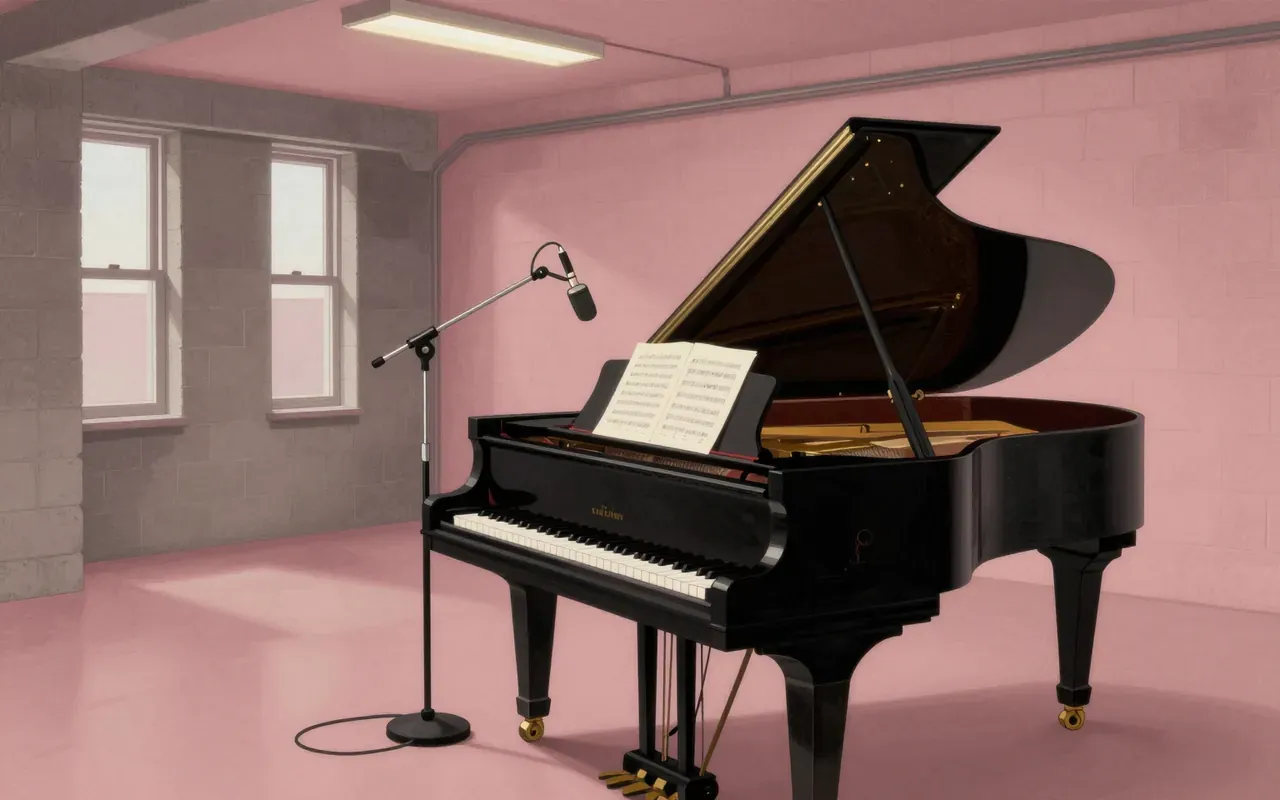
It sounds like piano and electric guitar layered in a Liverpool studio, with Ken Nelson producing as he did on Parachutes. The band worked in focused weekend sessions in Liverpool after abandoning London, where they could not concentrate. Martin and Buckland developed ideas alone, then presented them to the full band each Monday. ‘Politik’ was recorded two days after 9/11; ‘Clocks’ emerged late at night from a spontaneous piano riff. The production is restrained but deliberate: no synth washes, no drum machines, no orchestration — just bass, drums, guitar, piano, and Martin’s voice.
What lands
The piano-driven melancholy of ‘The Scientist’ and ‘Clocks’. The taut, guitar-led tension of ‘In My Place’. The stark, open-space ache of ‘Warning Sign’. The slow-burn gravity of ‘Amsterdam’. These land because they are structurally tight, lyrically specific, and sonically consistent — piano and guitar anchoring every arrangement, vocals never buried.
What does not
It does not expand into electronic textures, orchestral arrangements, or genre fusion. It does not obscure its lyrics or bury its melodies in effects. It does not rely on live improvisation, extended solos, or ambient drift. It does not feature guest vocalists, sampled dialogue, or field recordings. It does not use the studio as an instrument beyond basic layering and room tone.
The ideas inside it
Impulse. Heartbreak. Emotional urgency. Doubt. The title means ‘doing something on impulse’, and the album’s sound mirrors that: immediate, unpolished, reactive. Songs respond to real-world events (9/11), personal uncertainty after sudden fame, and the pressure to follow a breakthrough. There is no irony, no detachment — only direct address, plaintive melodies, and structural clarity.
Who should hear it, and who should not
People who value songcraft over spectacle. Listeners who respond to piano-led alternative rock with clear emotional stakes. Fans of bands that build tension through restraint, not volume. People who want to hear how a band sounds when it’s still figuring out its voice — but already knows how to shape a chorus, place a pause, and hold a note.
Is it worth your time
Yes, if you want a tightly written, emotionally direct rock record built around piano arpeggios, weary vocal delivery, and urgent songwriting. No, if you expect genre expansion, sonic experimentation, or lyrical abstraction. It holds up because it commits to its tools and its mood without overreach.