Saved
Artist · 1941

Bob Dylan

Website →
12
briefs
10:16
average
123 min
in total
On music.briefs12
9:38

Bob Dylan

Bob Dylan · 1962

Bob Dylan’s 1962 debut is not a statement of intent—it’s a ledger of absorption. Twelve traditional songs, two originals, recorded in three afternoons with no retakes, no polish, no plan beyond fidelity to what Dylan had heard and internalised. It sounds like one room, one guitar, one voice insisting on its own terms.

9:55

Bringing It All Back Home

Bob Dylan · 1965

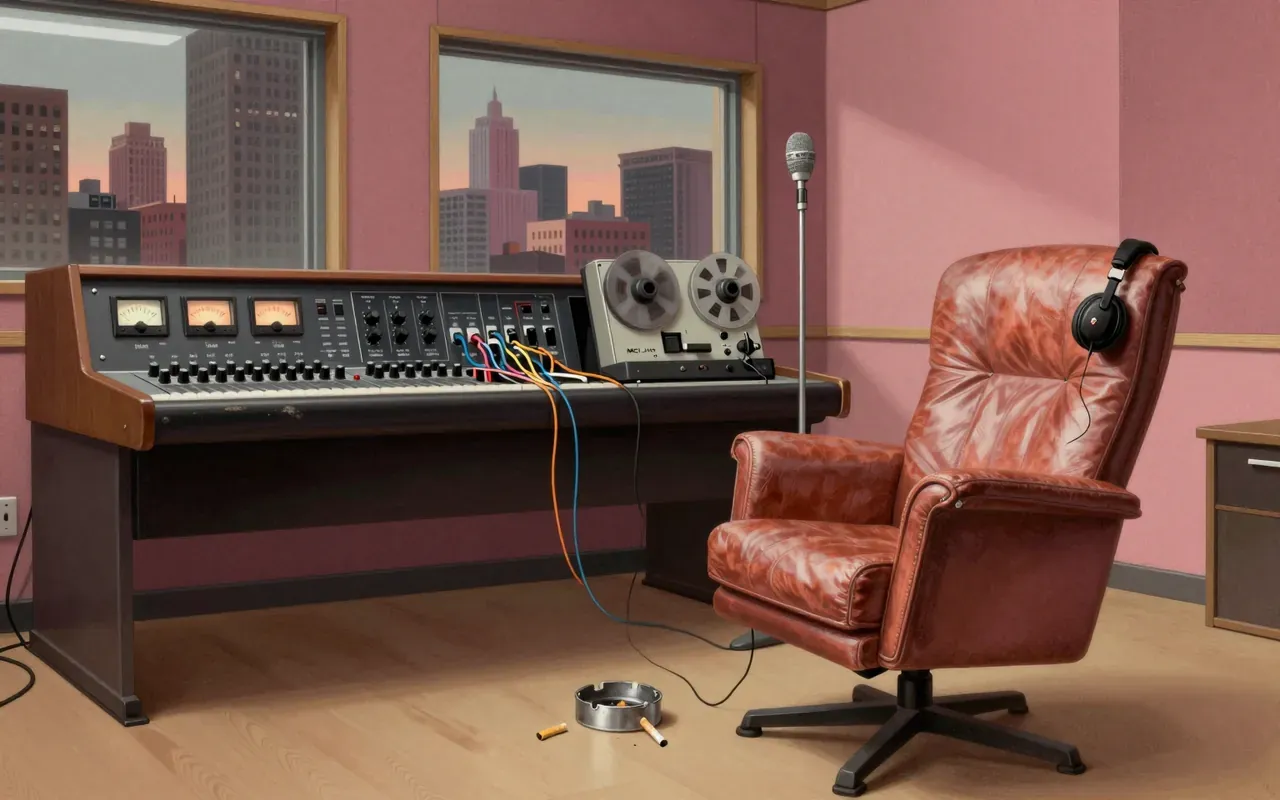
Bringing It All Back Home is Bob Dylan’s 1965 album, recorded across three sessions at Columbia’s Studio A in New York. Side one features electric instrumentation performed live by a band including Al Gorgoni, Kenny Rankin, Bruce Langhorne, Paul Griffin, Joseph Macho Jr., William E. Lee, and Bobby Gregg — with no rehearsal on January 14 yielding master takes of five songs in three-and-a-half hours. Side two is solo acoustic: Dylan, guitar, harmonica. The January 15 session reused most of that band (Frank Owens replacing Griffin), with Dylan directing arrangements on piano. It was Dylan’s first studio use of electric instruments. The album ends with two of his most important compositions: 'It's All Over Now, Baby Blue' and 'It's Alright, Ma (I'm Only Bleeding)'.
10:52

Highway 61 Revisited

Bob Dylan · 1965

Highway 61 Revisited is a 1965 rock record made in two sessions at Columbia's Studio A in Midtown Manhattan. It features Mike Bloomfield’s blues guitar and Al Kooper’s improvised organ riffs. 'Desolation Row' departs from the electric template, using acoustic guitar and understated bass. The album is named after the actual highway from Dylan’s Minnesota birthplace to New Orleans.

10:00

“Love and Theft”

Bob Dylan · 2001

Bob Dylan’s 2001 album “Love and Theft” was recorded with his touring band and produced by Dylan under the alias Jack Frost; critics noted its expanded musical palette—including rockabilly, Western swing, jazz, and lounge music; it won the Grammy Award for Best Contemporary Folk Album; and it was released on September 11, 2001.

11:15

Rough and Rowdy Ways

Bob Dylan · 2020

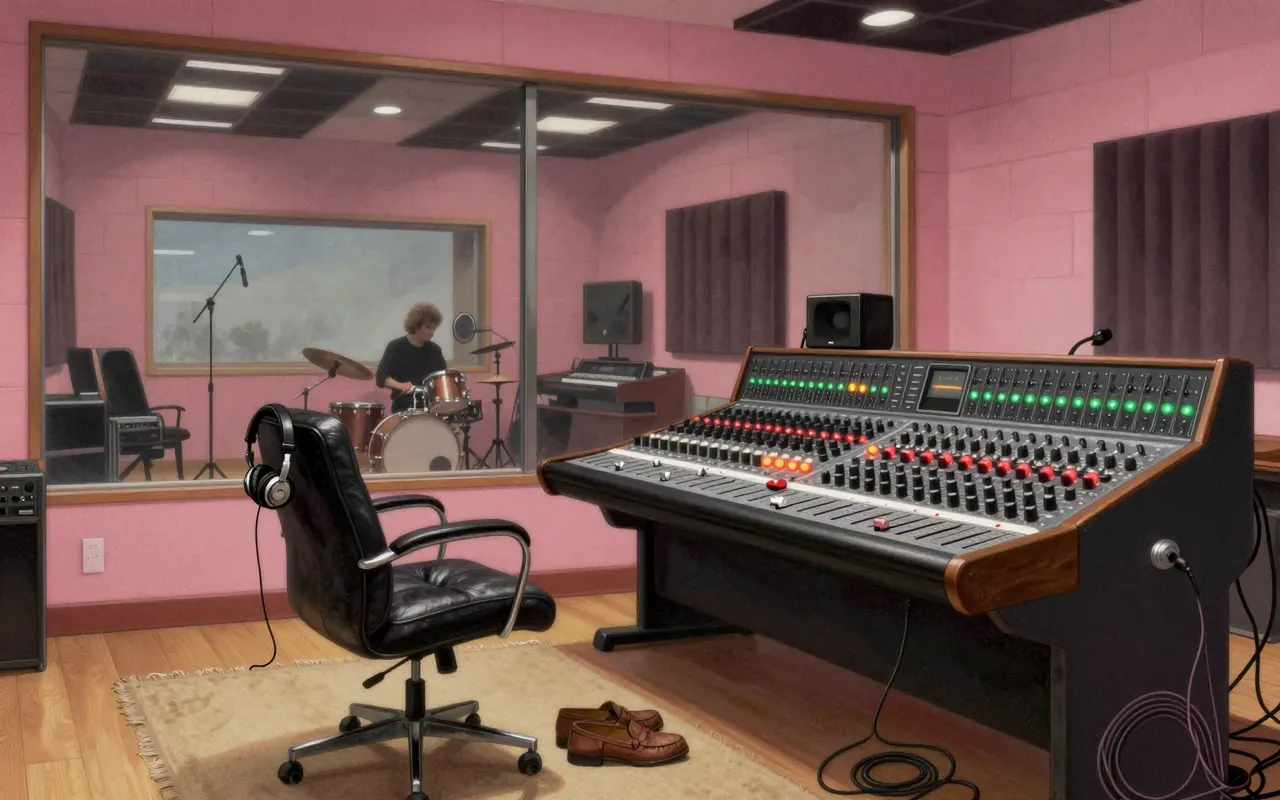
Rough and Rowdy Ways is Bob Dylan’s 39th studio album and first of original material since 2012. Recorded at Sound City Studios in Los Angeles in January and February 2020, it features Dylan’s current Never Ending Tour band — Matt Chamberlain, Bob Britt, Tony Garnier, Charlie Sexton, Donnie Herron — plus Blake Mills and Fiona Apple. Chris Shaw engineered and mixed. Released June 19, 2020, it reached No. 1 in the UK and scored 95 on Metacritic.

10:38

The Basement Tapes

Bob Dylan · 1975

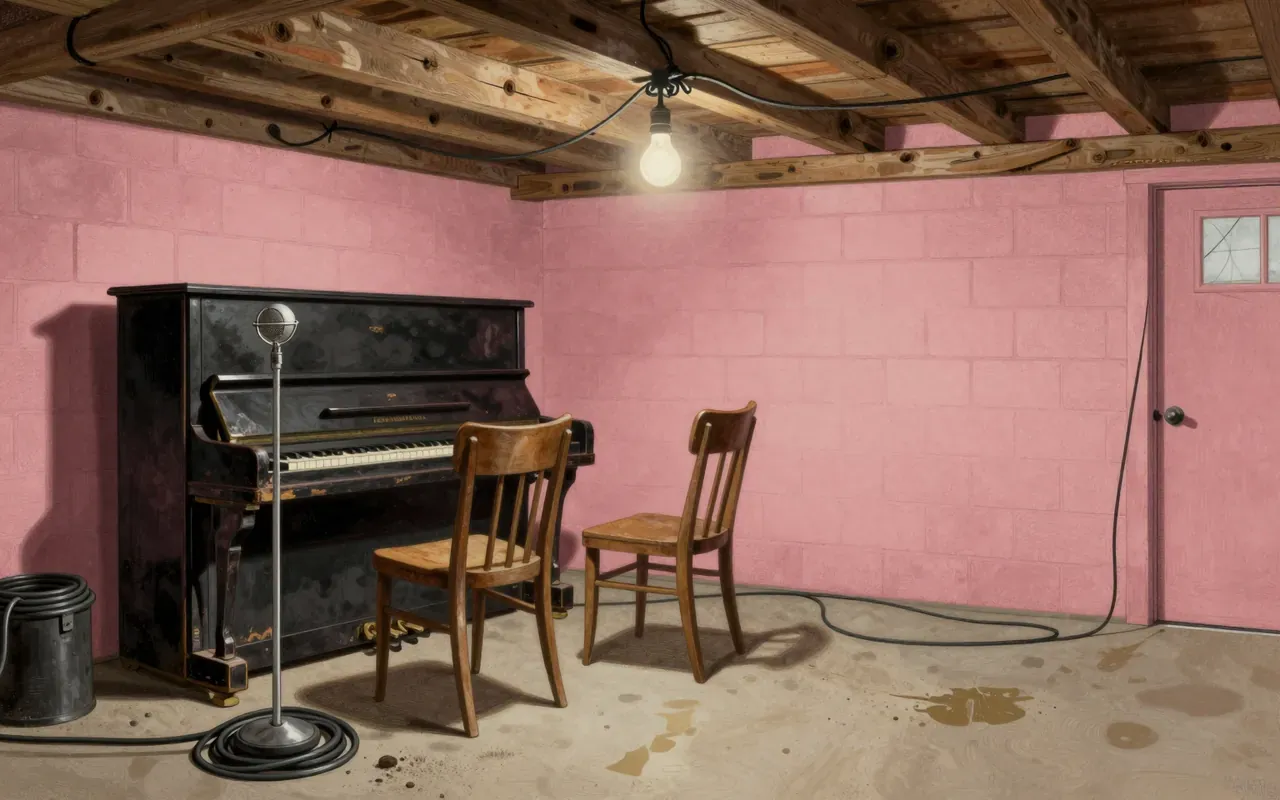
The Basement Tapes is not a studio album. It is a 1975 compilation of 1967 basement recordings — raw, unvarnished, and made with borrowed gear — stitched together with later Band-only tracks and 1975 overdubs. It documents process, not product.

10:18

Time Out of Mind

Bob Dylan · 1997

Time Out of Mind is a blues-inflected, atmospherically dense record made in Miami in January 1997. Its sound is defined by Daniel Lanois’ microphone techniques and strategic mixing — not by live-room realism. Dylan rewrote lyrics up to the first session and demoed songs in the studio, a rare move. Early blues artists guided its sonic palette. The album’s themes — bitter love, encroaching darkness — land with weight, not exposition. Its production choices bury the voice, reject clarity, and treat decay as material. It won Album of the Year at the Grammys, but its achievement is specific: it redefined how Dylan could sound, not how he should be heard.

10:04

Blonde on Blonde

Bob Dylan · 1966

Blonde on Blonde is a double album recorded in two phases: first in New York in October 1965 with the Hawks, yielding one track; then in Nashville in February–March 1966 with producer Bob Johnston, Al Kooper, Robbie Robertson, and elite Nashville session players.

9:48

Blood on the Tracks

Bob Dylan · 1975

Blood on the Tracks is a 1975 folk-singer-songwriter album by Bob Dylan, recorded across two studios—five tracks in New York in September 1974, five in Minneapolis in December 1974—following his estrangement from his wife. It features spontaneous structural shifts, reactive musicianship, and unvarnished accompaniment. Critics called it 'trashy' and 'shoddy'. It is essential listening for songwriters, optional for everyone else.

10:18

John Wesley Harding

Bob Dylan · 1967

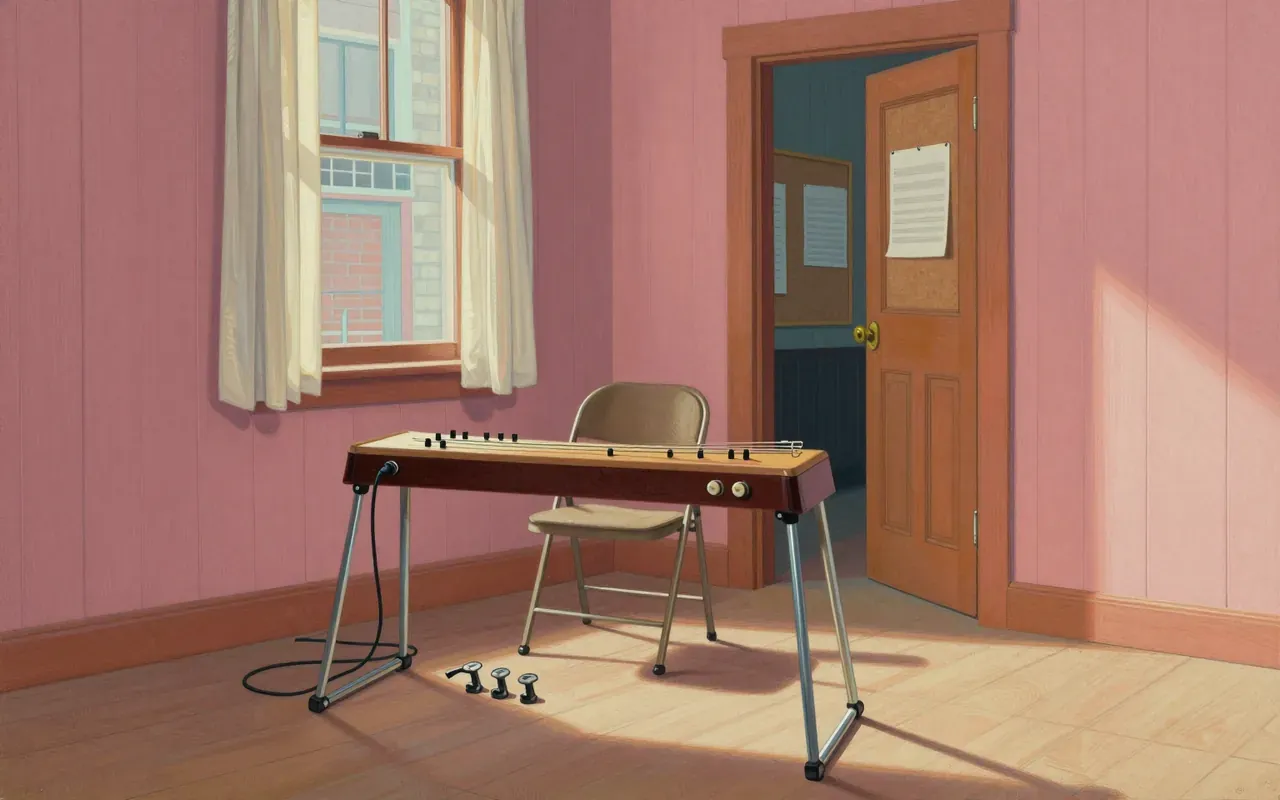
John Wesley Harding is a folk record made with folk means: voice, bass, drums, harmonica, piano, guitar, and two pedal steel parts. It was recorded fast, dry, and direct in Nashville in autumn 1967. Its power lies in what it leaves out.

12:22

The Freewheelin’ Bob Dylan

Bob Dylan · 1963

The Freewheelin’ Bob Dylan is Bob Dylan’s second album, released in May 1963. It was assembled from eight recording sessions at Columbia Records Studio A in New York City between April 1962 and April 1963. It established Dylan as a significant singer-songwriter. Many of the songs were protest songs, inspired by Woody Guthrie and influenced by Pete Seeger's passion for topical songs. The album included love songs and surreal talking blues. 'Oxford Town' was an account of James Meredith's ordeal as the first Black student at the University of Mississippi. 'Blowin’ in the Wind' partly derived its melody from the traditional slave song 'No More Auction Block', while its lyrics wondered whether war and injustice would ever end. 'A Hard Rain’s a-Gonna Fall' was based on the folk ballad 'Lord Randall'. Both songs marked a new direction in songwriting, blending a stream-of-consciousness, imagist lyrical attack with traditional folk form.

8:04

The Times They Are A‐Changin’

Bob Dylan · 1964

The Times They Are A‐Changin’ is Bob Dylan’s third album (1964). It reflects a more politicized phase. Songs address the murders of Medgar Evers and Hattie Carroll, the despair of rural economic collapse, and Dylan’s angry response to a hostile Newsweek profile.