musicbriefs
Saved
Label

EMI

Website →
14
briefs
10:58
average
154 min
in total
On music.briefs14
9:34

Germfree Adolescents

X‐Ray Spex · 1978

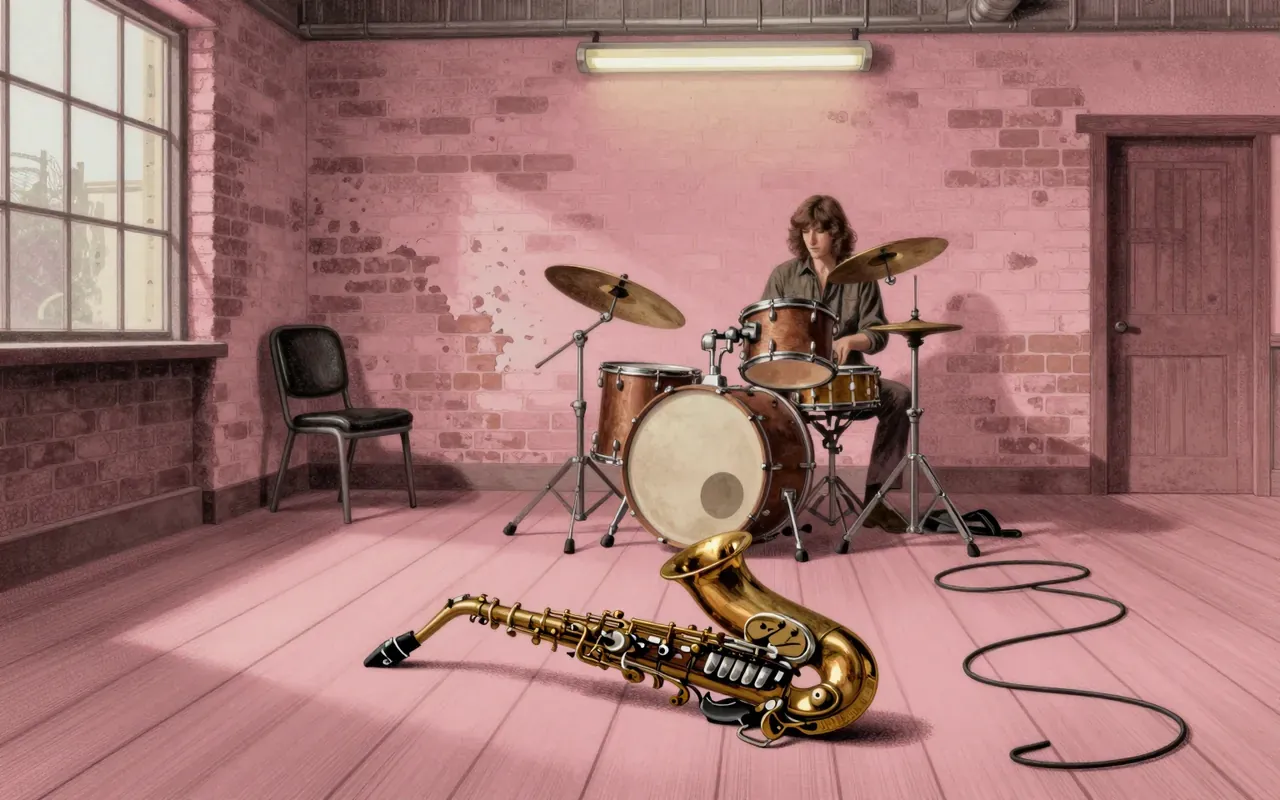
Germfree Adolescents is X-Ray Spex’s 1978 debut album. All twelve tracks were written by Poly Styrene. Five had previously appeared on singles’ A-sides or B-sides. The core band was Poly Styrene (vocals), Jak Airport (guitar), Paul Dean (bass), Rudi Thomson (saxophone), and B.P. Hurding (drums). Rudi Thomson played saxophone on the album.
9:10

Queen II

Queen · 1974

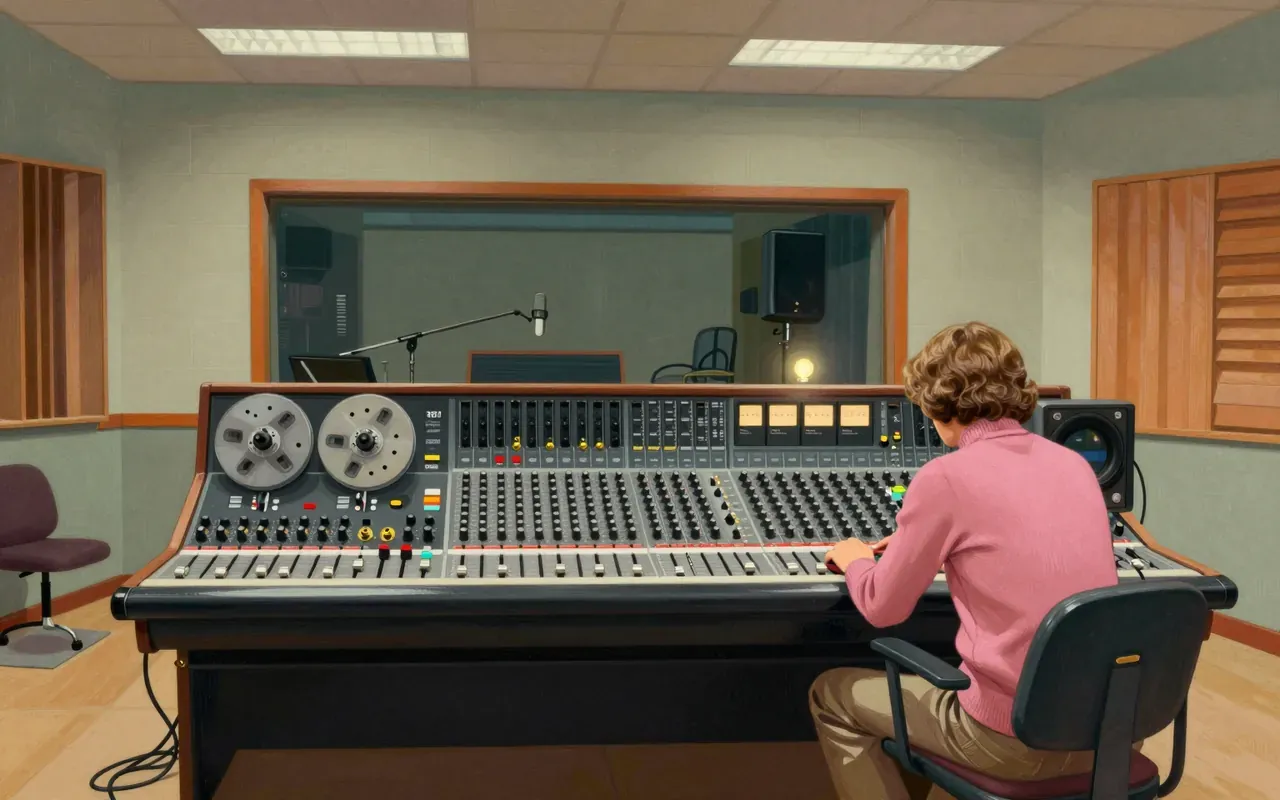
Queen II is a decisive pivot toward studio-as-instrument. It is precise, intentional, and unromantic about process. Its sound is built on vocal layering, guitar doubling, and rigid scheduling—not mystique. It fails where it reaches too far, succeeds where it stays tight.

11:15

A Night at the Opera

Queen · 1975

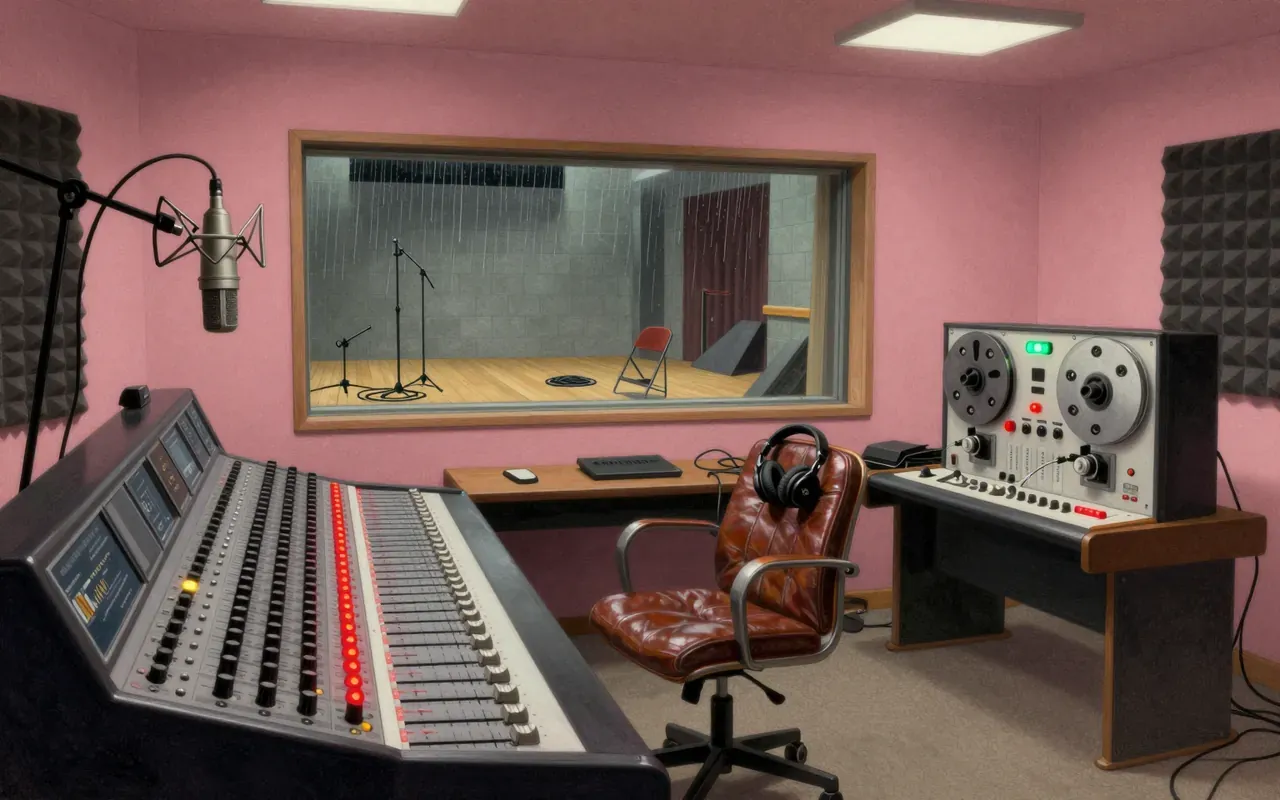
A Night at the Opera is not a miracle. It is a construction — four months, seven studios, £40,000, 24-track tape, and four musicians assigning themselves roles like actors in a play. Its power lies in how tightly its ideas are bound to its making: no Trident, no compromise, no unassigned instrument, no unmotivated genre shift. It is prog not as indulgence but as method — and art rock not as pose but as precision.

9:32

Brown Sugar

D’Angelo · 1995

Brown Sugar is D’Angelo’s 1995 debut. It launched neo-soul — a term coined soon after by his manager Kedar Massenburg. It features the original title track, a cover of Smokey Robinson’s 'Cruisin’', and 'Lady', which reached the top ten of the Billboard Hot 100. It was certified platinum and received critical acclaim.

11:26

Demon Days

Gorillaz · 2005

Demon Days is a 2005 Gorillaz concept album about night as allegory — recorded across London studios, produced by Danger Mouse, and defined by layered guest vocals, reggae bounce, choral swell, and deliberate emotional contrast in harmony.

10:55

Hounds of Love

Kate Bush · 1985

Hounds of Love is a structurally intentional, sonically sourced, format-aware record — not a mood piece, not a retrospective, not a ‘masterpiece’ by default.

9:00

Parklife

Blur · 1994

Parklife is Blur’s third studio album, recorded quickly at Maison Rouge studio in August 1993—except for 'This Is a Low'. Damon Albarn described it as a loosely linked concept album about the travels of a 'mystical lager-eater' who observes and comments on the world. Martin Amis’s novel London Fields was a major influence. The songs span multiple genres including synthpop, instrumental waltz, punk rock, spacey Syd Barrett-esque, and new wave. Some songs—including 'To the End' and 'Badhead'—lie in a more personal space than the album’s broader bittersweet portrayal of the UK's human patchwork. Stephen Street produced all tracks except 'To the End', which was produced by Stephen Hague with additional engineering.

10:48

Searching for the Young Soul Rebels

Dexys Midnight Runners · 1980

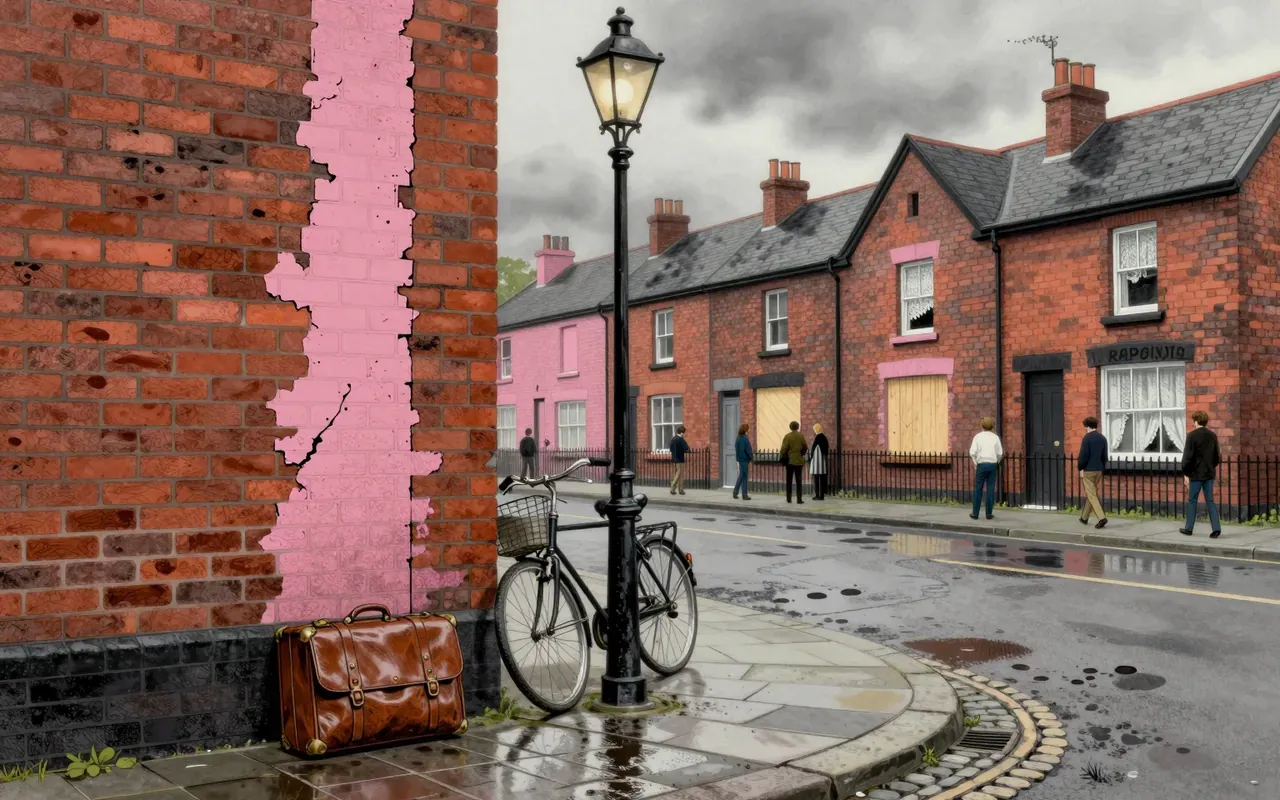
Searching for the Young Soul Rebels is Dexys Midnight Runners’ debut studio album, recorded over 12 days at Chipping Norton Recording Studios in April 1980 and released in July 1980. Produced by Pete Wingfield, it features the UK No. 1 single 'Geno' and bears the band’s 'Late Night Feelings' imprint. Its sleeve uses a photograph of a Belfast Catholic boy carrying his belongings after moving from his home during the Troubles. The album’s sound is an energetic mix of pop, Northern soul and punkish attitude—brassy, urgent, and deliberately unpolished.

14:52

The Kick Inside

Kate Bush · 1978

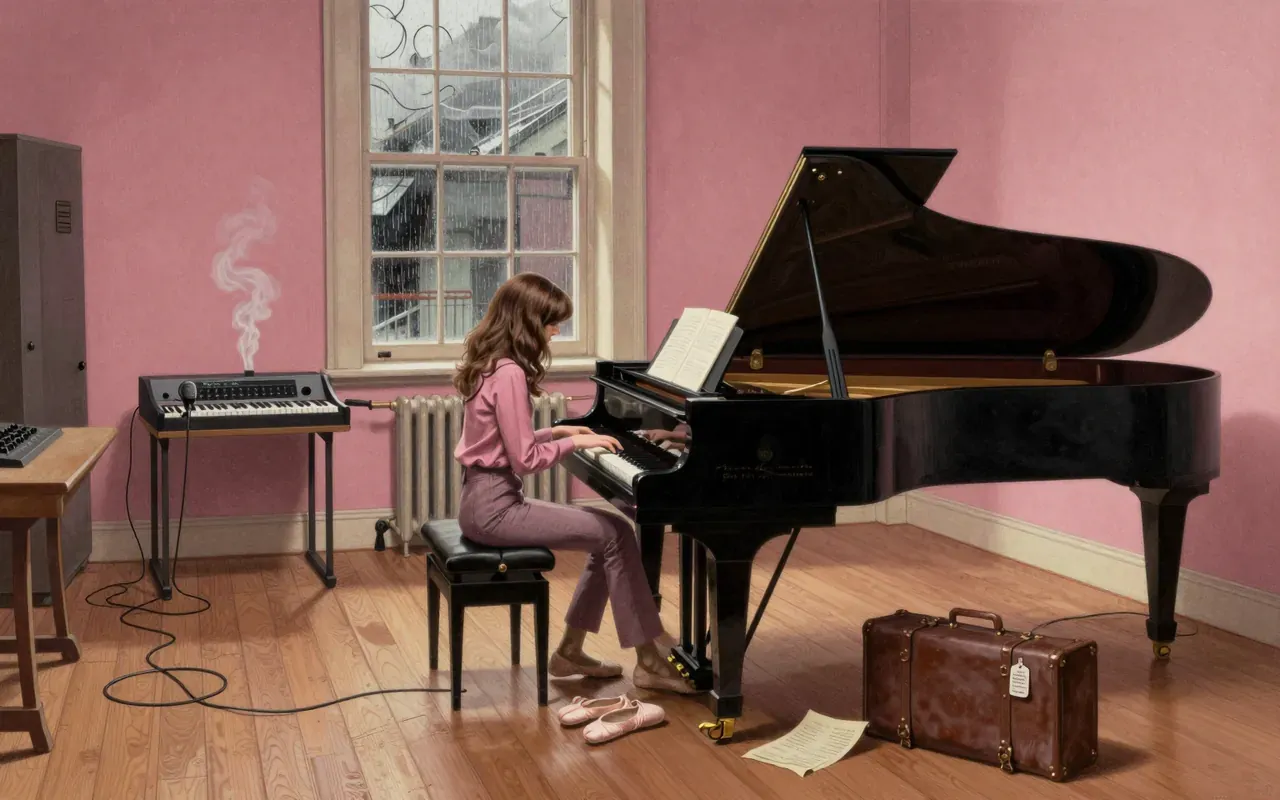
The Kick Inside is Kate Bush’s 1978 debut album, recorded in July and August 1977 at AIR Studios in London under producer Andrew Powell. EMI required Bush to use experienced session musicians — including Ian Bairnson, Duncan Mackay, and Stuart Elliott — rather than her KT Bush Band. Two songs originated as June 1975 demos. The album features orchestral arrangements on most tracks, with Bush on vocals and piano, and draws inspiration from a 1967 TV adaptation of Wuthering Heights, Gurdjieff, and the ballad of Lizie Wan.

12:40

The Number of the Beast

Iron Maiden · 1982

The Number of the Beast is Iron Maiden’s third studio album, released in 1982. It marks Bruce Dickinson’s debut and Clive Burr’s final appearance. Adrian Smith and Clive Burr contributed songwriting for the first time. Steve Harris adapted his writing specifically for Dickinson’s voice. Recorded in five weeks at Battery Studios. Five songs had been performed live before recording. Only 'The Number of the Beast' and 'Gangland' were newly written after the 1981 tour. The title track opens with a spoken passage from Revelation. The album sparked US controversy over religious imagery but was defended by the band as metaphorical and narrative-driven. It became Iron Maiden’s first UK number 1 album and has sold nearly 20 million copies worldwide.

9:11

Aida

Giuseppe Verdi · 1989

A studio recording of Verdi’s Aida, made in 1989. Contains all vocal and orchestral numbers across four acts. Omits Verdi’s rejected overture. No source material describes performers, conductor, recording venue, or engineering choices.

13:00

Computerwelt

Kraftwerk · 1981

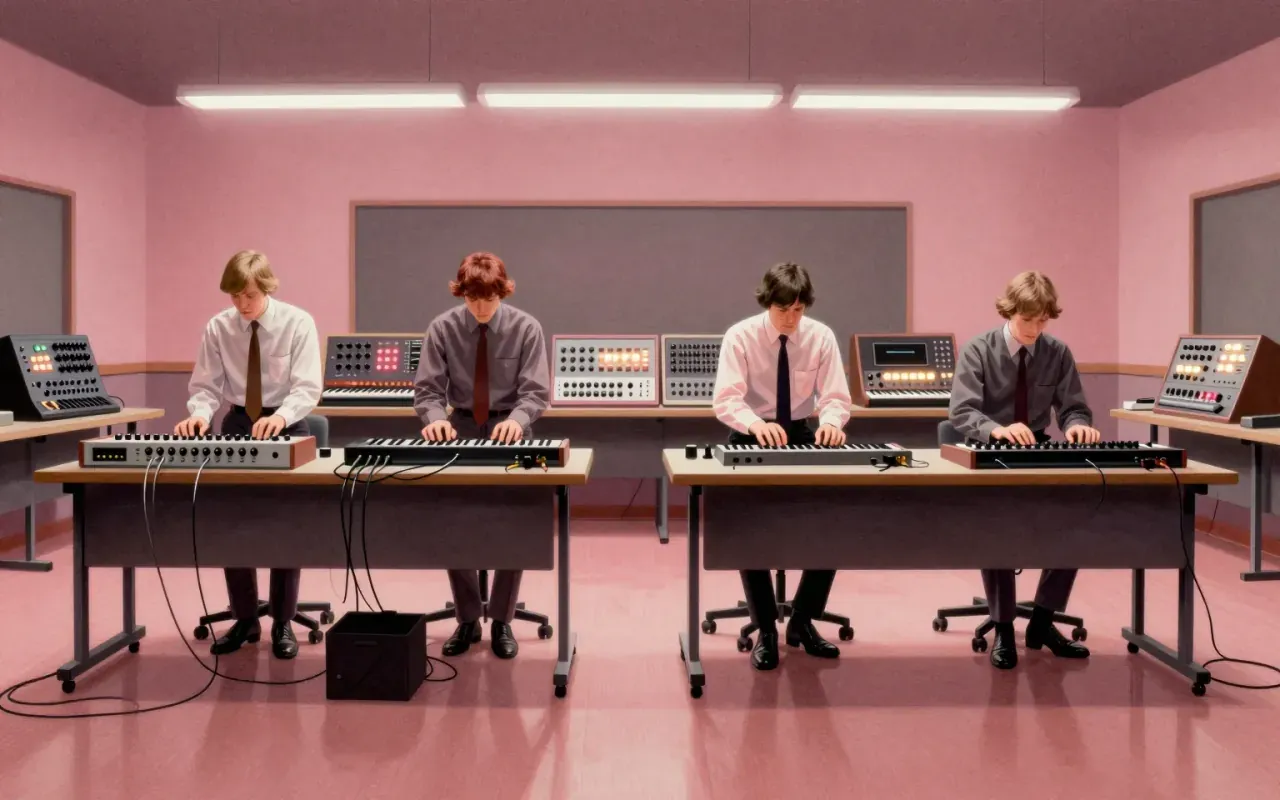
Kraftwerk's eighth album, built at the band's own Düsseldorf studio and released in 1981 in matching German and English editions, imagines home computers, pocket calculators and digital surveillance years before most listeners had encountered any of them. Made without a single piece of computer technology, it went on to shape early hip-hop, electro and dance production far beyond its own modest chart run.