American Pie
Don McLean · 1971
A folk record that treats the studio like a rehearsal hall—and grief like a rhythm section that won’t lock in.

A folk record that treats the studio like a rehearsal hall—and grief like a rhythm section that won’t lock in.
A Hard Day's Night is the Beatles’ third studio album and their first composed entirely of original Lennon–McCartney songs. Recorded between February and June 1964 at EMI Studios in London, it features Harrison’s debut use of a Rickenbacker 12-string guitar — a sound that shaped emerging folk rock and jangle pop. Side one contains songs from the film A Hard Day’s Night; side two comprises other new recordings written for the album. Musically, it departs from earlier rock and roll covers in favour of a tightly crafted pop sound defined by ringing guitars and layered vocal arrangements.
Another Music in a Different Kitchen is Buzzcocks’ 1978 debut studio album, recorded by their classic line-up — Pete Shelley, Steve Diggle, Steve Garvey, John Maher — after Howard Devoto’s departure. Martin Rushent produced it; Doug Bennet engineered it. Malcolm Garrett designed the sleeve. Its title came from a Linder Sterling collage. Some early pressings omitted 'I Need' due to a pressing plant error. It reached number 15 in the UK chart.
Ege Bamyasi is Can’s third studio album, recorded in early 1972 at their newly established Inner Space Studio in Weilerswist — their first album made there — under intense time pressure to meet a June deadline. The band began with 'Spoon', then scrambled to complete material: 'Sing Swan Song', 'One More Night', and 'Pinch' were finished and edited by the day before the deadline, while 'Soup' emerged from an unedited, improvised ten-minute session that same afternoon. Karoli recorded acoustic guitar for 'Sing Swan Song' outdoors to escape drum bleed, and Schmidt and Suzuki’s daily chess games reportedly disrupted workflow. Czukay and Karoli handled editing, and the album incorporated previously released singles to fill out the tracklist. The new studio environment softened the drums and sharpened instrumental separation, and Suzuki’s pidgin English vocals contributed a distinctive textural element. Critics later praised its tight, danceable fusion of experimental music, avant-funk, and electronic sound — calling it one of Can’s most focused and tense records.
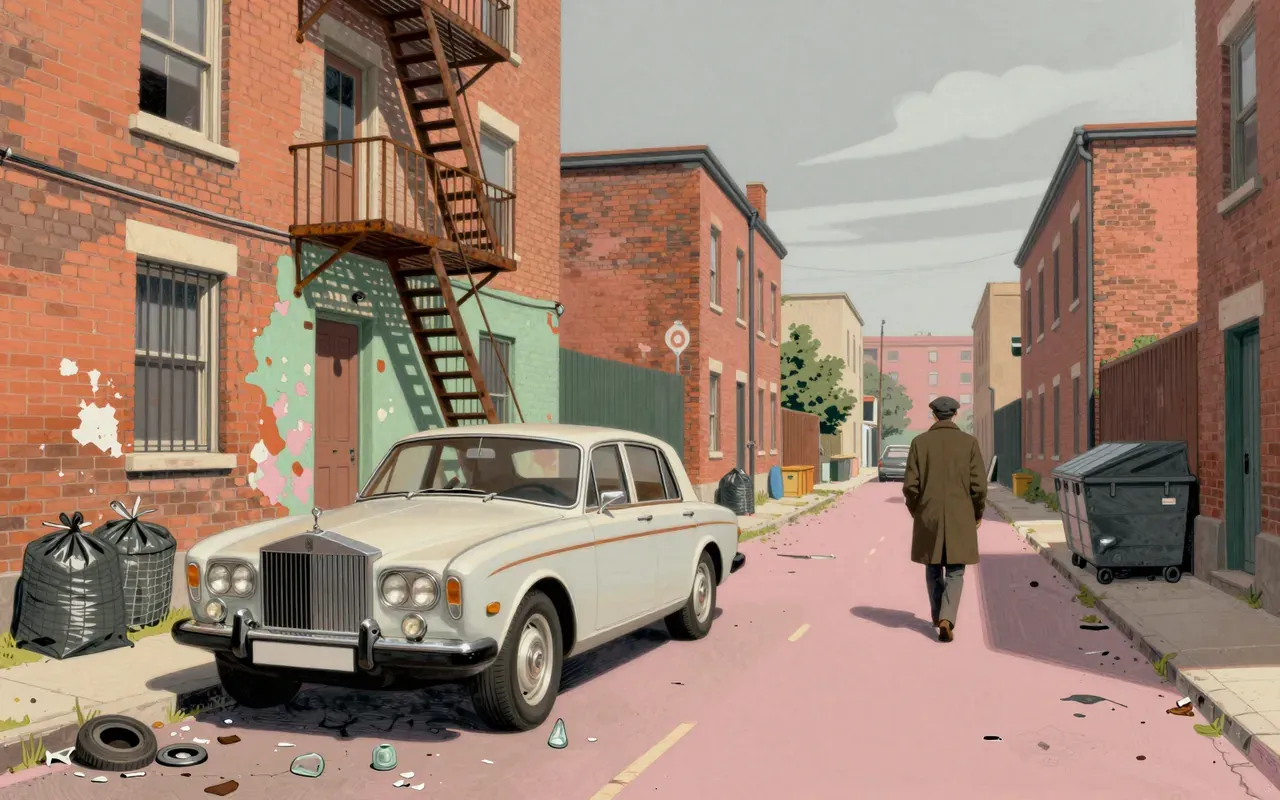
The World Is a Ghetto is War’s fifth studio album, released in late 1972 on United Artists Records. It synthesises soul, funk, blues, and psychedelia with production likened to Curtis Mayfield’s Curtis and Marvin Gaye’s What’s Going On. Its cover—a flat-tyred Rolls-Royce in a ghetto—uses a blue-and-black palette to reflect its melancholy character. Critics noted its conceptual ambition but divided on pacing: Gordon Fletcher praised its mastery in communicating ghetto life; Robert Christgau dismissed it as 'blackstrap-rock'. It was originally issued in quadraphonic 8-track and reissued in Dolby Atmos for its 50th anniversary.
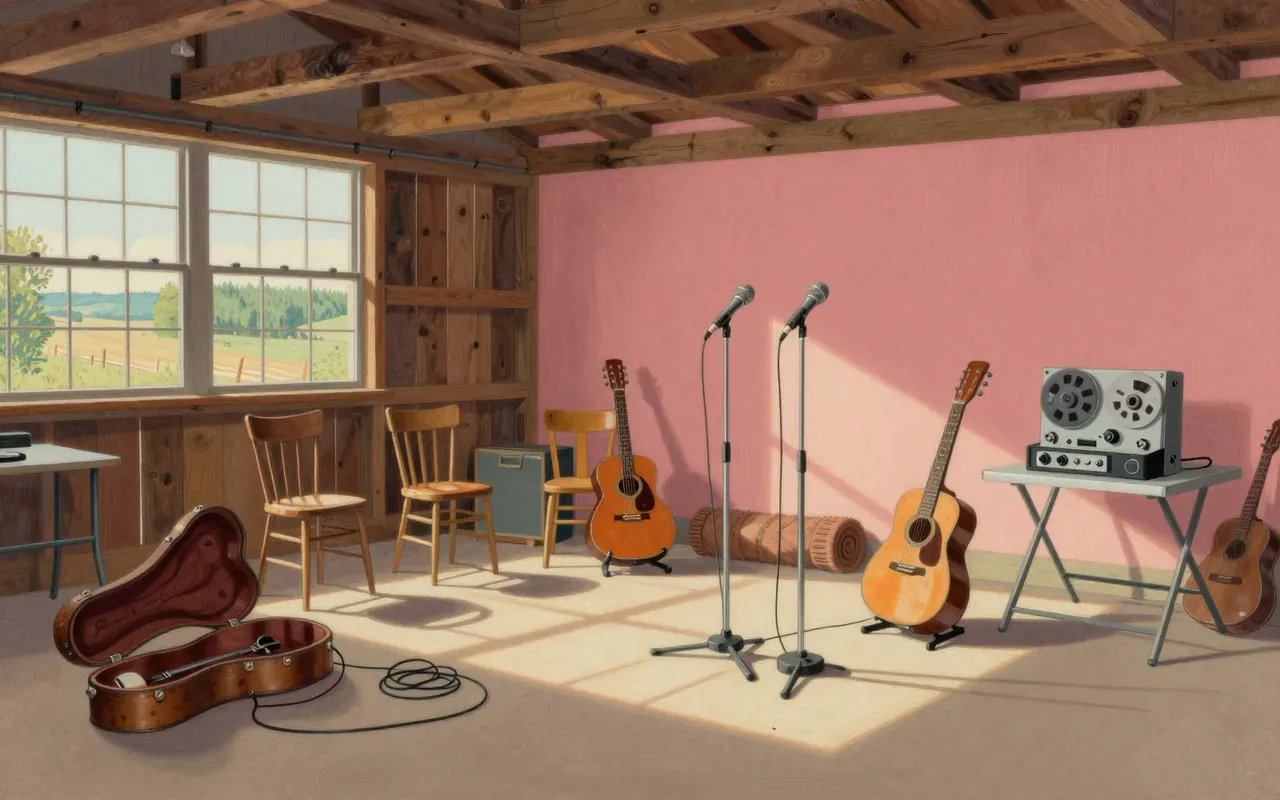
Will the Circle Be Unbroken (1972) is a live, unvarnished, intergenerational collaboration recorded in one week at Woodland Sound Studios in Nashville. Every track was captured on the first or second take straight to two-track masters. A continuous tape documented all musician dialogue—much of which appears on the final album. It features Roy Acuff, Mother Maybelle Carter, Doc Watson, Earl Scruggs, Merle Travis, and others. The record avoids the contemporary Nashville sound. It produced the band’s first Billboard Hot Country Songs entries and Grammy nominations. Critics credited it with easing mistrust between country traditionalists and ‘long hair’ practitioners. Doc Watson said it renewed rock fans’ interest in his work.

Made at Can's own Inner Space Studio after a scattering four-week holiday, Future Days trades the band's earlier rhythmic tension for unhurried, textured grooves built from Farfisa organ, field recordings and Jaki Liebezeit's constant, understated drumming, with Damo Suzuki's vocals reduced to a passing presence before his departure soon after.
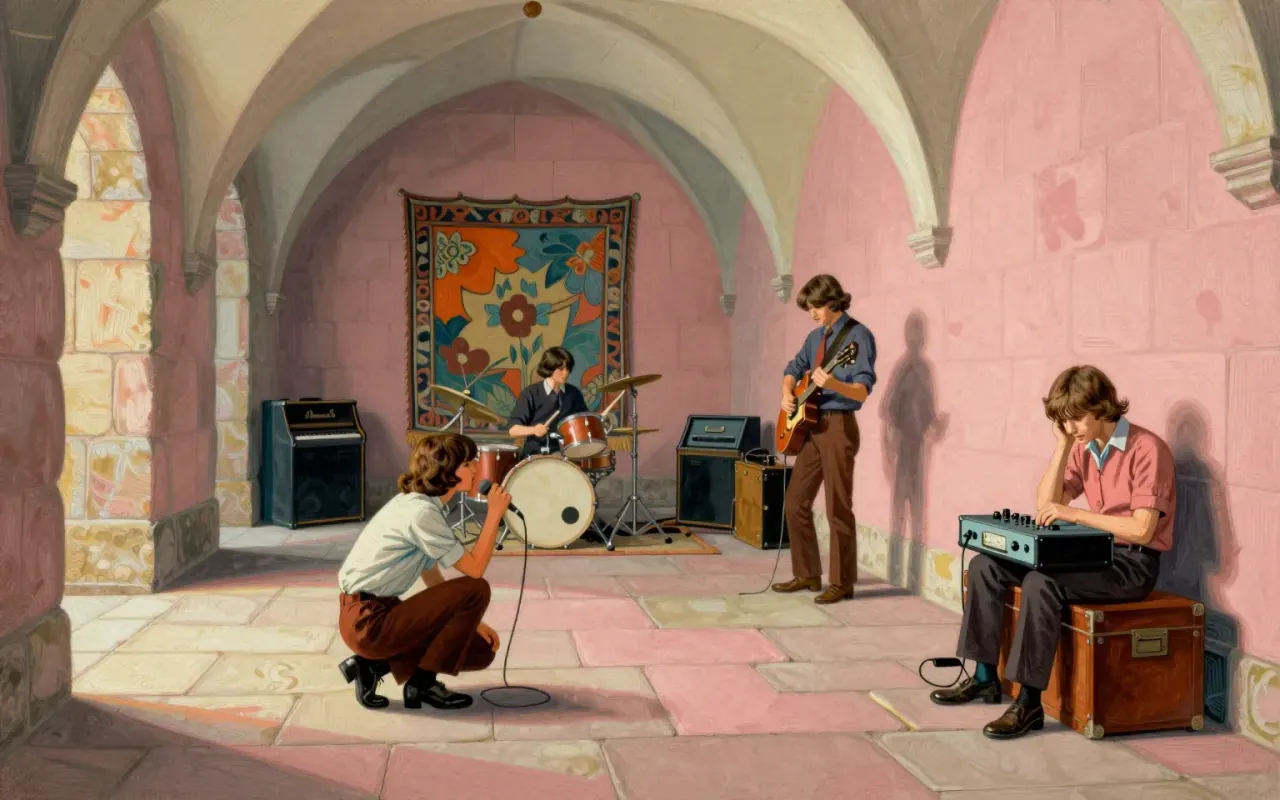
Recorded across three months in a rented castle, with Damo Suzuki newly installed as vocalist, Tago Mago pairs a first disc of confident, rhythm-driven songs with a second built almost entirely from Holger Czukay's tape editing and hidden studio recordings, a split the band's manager insisted stay intact.