Saved
Rock

Bayou Country

A mythic Southern record made by Californians in a Hollywood studio — tight, hot, and entirely self-contained.

Worth your time?4.5/5Yes.Hear the whole thing.What works, what does not, who it is for ↓
10:24in productionCh. 1 · Studio A, October 1968/ 10:24 · ceiling 15 min
4 chapters · 10:24Ceiling 15:00

The brief is written and checked. The video joins this page when it is cut.4 chapters · 2 min read · 10:24 planned

Read the brief

Bayou Country is Creedence Clearwater Revival’s second studio album, recorded in October 1968 at RCA Studios in Hollywood, Studio A, and released in January 1969. It is their first commercial breakthrough: a number-seven platinum hit that launched 'Proud Mary' — backed with 'Born on the Bayou' — to number two on the Billboard chart.

Chapters & takeaways4
  1. 1:18
    Studio A, October 1968

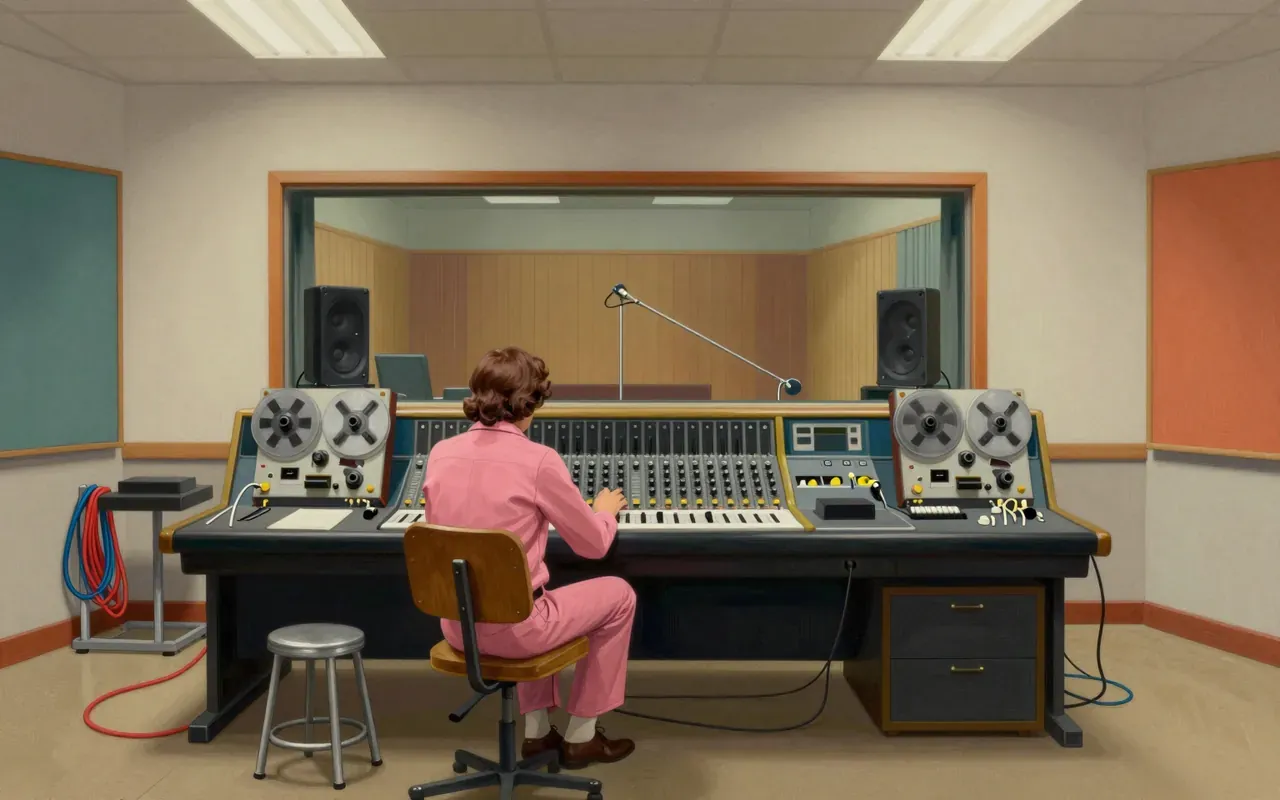
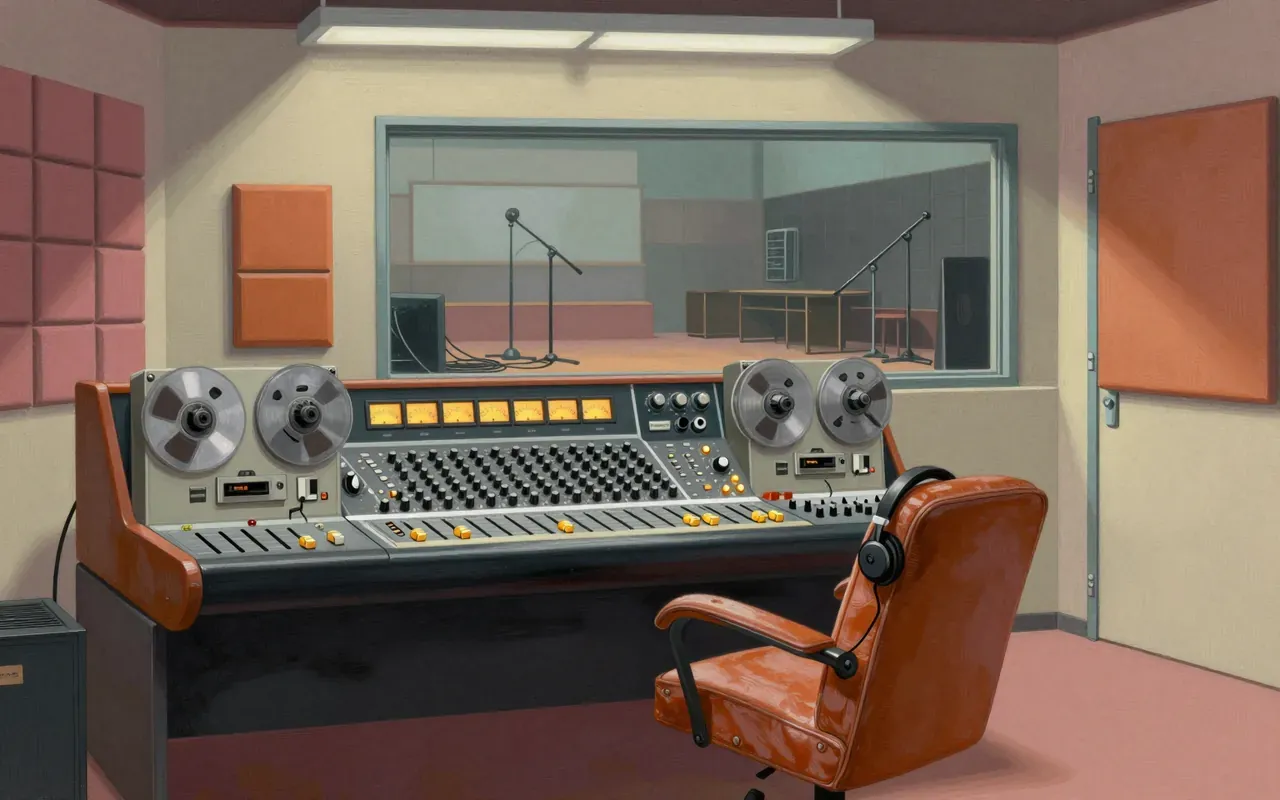
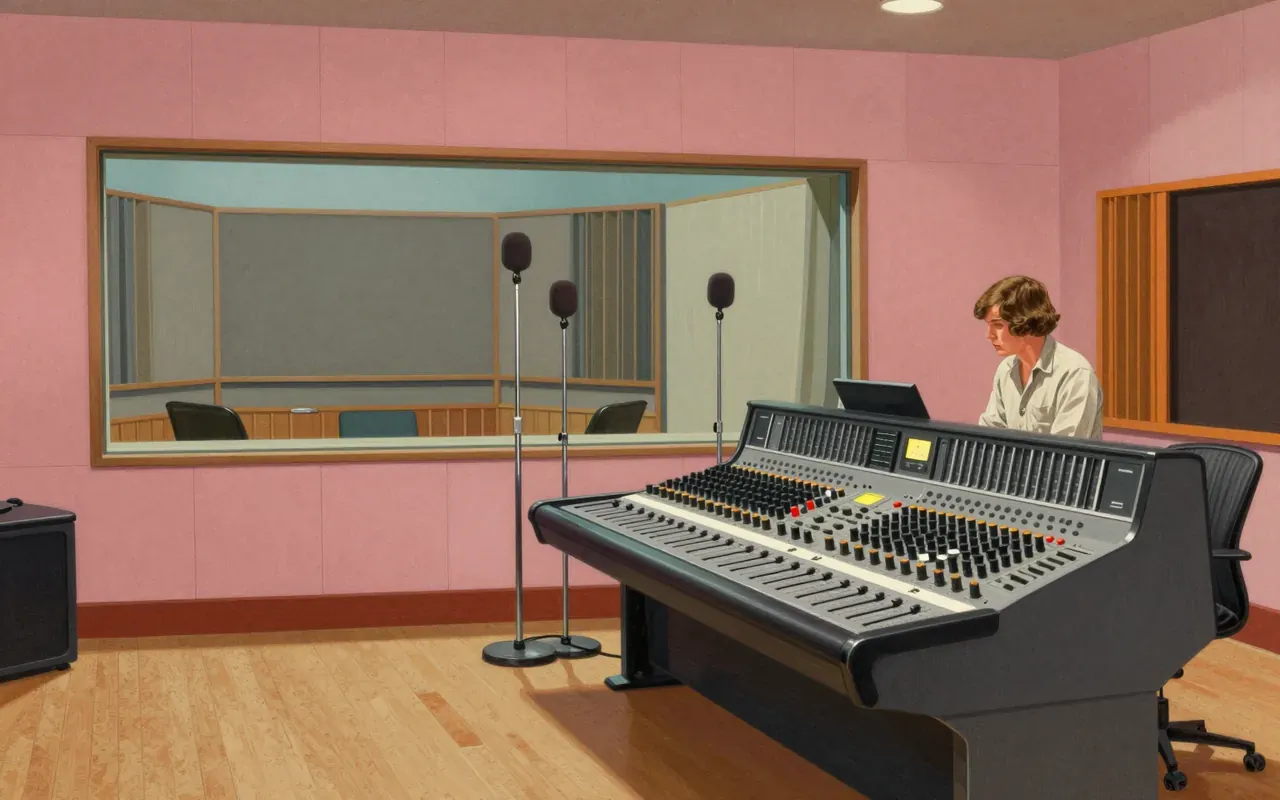
    Recorded live-in-studio at RCA Studios in Hollywood, Studio A, in October 1968 — no isolation booths, no post-production gloss.

  2. 3:03
    Avalon to Amp Hum

    Fogerty conceived riffs at the Avalon Ballroom, modelled 'Proud Mary's' intro on Beethoven's Fifth, and wrote 'Born on the Bayou' to the ringing sound of his amplifier.

  3. 4:46
    No Bayou, No Reserve

    The bayou is invented. Fogerty placed 'Born on the Bayou' in a swamp he’d never seen — just as 'Proud Mary' came from Army Reserve discharge euphoria, not river life.

  4. 6:40
    Number Two, Nine Minutes, One Cover

    'Proud Mary' / 'Born on the Bayou' hit number two. The album includes 'Good Golly, Miss Molly' and the nine-minute 'Keep On Chooglin’' — their live-show closer.

1 more chapterFewer chapters
Running order7
  1. 01
  2. 02
    Bootleg2:58
  3. 03
    Graveyard Train8:32
  4. 04
  5. 05
    Penthouse Pauper3:37
  6. 06
  7. 07

Film placements are the ones described in each film's own entry, so the list is partial rather than complete.

Worth your time?

Yes. Hear the whole thing.

4.5/ 5
What works
  • 'Proud Mary' — Beethoven-inspired intro, tempo shift, narrative pivot
  • 'Born on the Bayou' — amp-ringing atmosphere, swamp-imagery chorus
  • 'Keep On Chooglin’' — nine-minute live-closing engine, structured not indulgent
What does not
  • evokes actual Louisiana geography
  • features horns or piano
  • uses tape loops or phasing
  • includes improvisation beyond documented guitar solos
Hear it if
  • people who want a lean, rhythm-driven rock record
  • listeners who value clear instrumental roles and functional structure
Skip it if
  • listeners seeking lyrical realism
  • those prioritising regional authenticity or studio innovation
Who should hear it, and who should skipHide who it is for
The written brief2 min read

What the record is and where it came from

Bayou Country is Creedence Clearwater Revival’s second studio album, recorded in October 1968 at RCA Studios in Hollywood, Studio A, and released in January 1969. It is their first commercial breakthrough: a number-seven platinum hit that launched ‘Proud Mary’ — backed with ‘Born on the Bayou’ — to number two on the Billboard chart.

How it sounds, and how it was made

Recorded live-in-studio at RCA Studios in Hollywood, Studio A, in October 1968. The band played tight, club-honed takes with minimal overdubs. Fogerty directed background vocal arrangements, recalling the raggedness of ‘Porterville’ to shape a raw, unified vocal texture. The room’s acoustics and the amp’s ringing tone directly shaped ‘Born on the Bayou’. No studio effects or artificial reverb are documented — the sound is dry, immediate, and anchored by Doug Clifford’s drum kit and Stu Cook’s bass in the same room.

What lands

‘Proud Mary’ lands — its Beethoven-inspired intro, crisp tempo shift, and narrative pivot from slow drag to fast roll make it instantly legible and repeatable. ‘Born on the Bayou’ lands — its amp-ringing atmosphere and swamp-imagery chorus define the band’s signature sound. ‘Keep On Chooglin’’ lands — its nine-minute runtime is structured, not indulgent, and functions as a live-closing engine.

What does not

It does not evoke actual Louisiana geography, history, or Black musical lineages. It does not feature horns, piano, or gospel choirs. It does not use tape loops, phasing, or stereo experimentation. It does not include improvisation beyond the guitar solos in ‘Graveyard Train’ and ‘Keep On Chooglin’’, and those solos are not described in the source material as extended, modal, or harmonically complex.

The ideas inside it

Mythical Southern landscapes built from second-hand imagery — swamps, bayous, riverboats — despite Fogerty never having lived there. The songs orbit imagined childhoods, military discharge euphoria, and rock and roll lineage, all filtered through Fogerty’s self-taught arrangement instincts and deliberate sonic shorthand.

Who should hear it, and who should not

People who want a lean, rhythm-driven rock record with clear instrumental roles and no conceptual detours. Not for listeners seeking lyrical realism, regional authenticity, or studio innovation — this is Fogerty’s vision, executed efficiently, not interrogated.

Is it worth your time

Yes. It holds up as a functional, focused rock record: nine minutes of ‘Keep On Chooglin’’ lands like a barroom set, ‘Proud Mary’ delivers its promise in under four, and ‘Born on the Bayou’ sustains heat without overextending. Its value lies in execution, not myth.
Same genre · Rock4 of 319
10:00
With His Hot And Blue GuitarJohnny Cash · 1957A functional, unadorned document of Cash’s early sound—recorded fast, mixed dry, released before the hits took hold.
9:06
Is the Actor Happy?Vic Chesnutt · 1995Is the Actor Happy? is Vic Chesnutt’s 1995 folk rock album, produced by John Keane, with Michael Stipe on vocals for 'Guilty by Association'. Chesnutt wrote the songs while opening for Live in 1994. The Sunday Times noted he learned to write for a band — brushed drums and ringing lead-guitar lines layered over his simple strumming. AllMusic described arrangements shifting from heartbreakingly delicate folk rock to crashing guitar crescendos. Pitchfork called it his most extroverted record, extending subject matter beyond himself into relationships and the Southern landscape. Forrest Gander wrote the liner notes. The Guardian offered a dissenting view, calling the songs unremarkable.
9:58
Green RiverCreedence Clearwater Revival · 1969Green River is Creedence Clearwater Revival’s third studio album, released August 1969. It was recorded March–June 1969 at Wally Heider Studios, with all four members playing live in the same room. John Fogerty wrote, produced, and arranged every track. The album topped the Billboard 200 and went Gold, spawning two major hits — ‘Green River’ and ‘Bad Moon Rising’, both reaching No. 2. Its sound is direct, dry, and disciplined — a rejection of psychedelic sprawl in favour of concise, narrative-driven roots-rock.
11:19
Cosmo’s FactoryCreedence Clearwater Revival · 1970Cosmo's Factory is Creedence Clearwater Revival’s fifth studio album, recorded in June 1970 at Wally Heider Studios in San Francisco. Its title references a Berkeley warehouse nicknamed 'The Factory' by drummer Doug Clifford, where John Fogerty mandated near-daily rehearsals. The album synthesizes R&B, soul, country, rockabilly, and psychedelia into CCR’s signature swamp rock sound. It departs from the band’s typical concision with two extended tracks: the seven-minute 'Ramble Tamble' and the eleven-minute 'I Heard It Through the Grapevine'. Backwards-recorded guitar and piano create jungle effects in 'Run Through the Jungle'. Covers pay tribute to blues and rock and roll pioneers including Big Arthur Crudup, Bo Diddley, Roy Orbison, and Marvin Gaye. 'Travelin’ Band' honours Little Richard; 'Lookin’ Out My Back Door' cites the Bakersfield Sound and Buck Owens. Fogerty composed, produced, sang, and played most instruments. Russ Gary engineered. The album was released in July 1970.
Up next in Music

Before and After Science

Brian Eno · 1977 · 11:28

Eno’s last rock record isn’t a farewell — it’s a controlled demolition of the form.

11:28