What the record is and where it came from
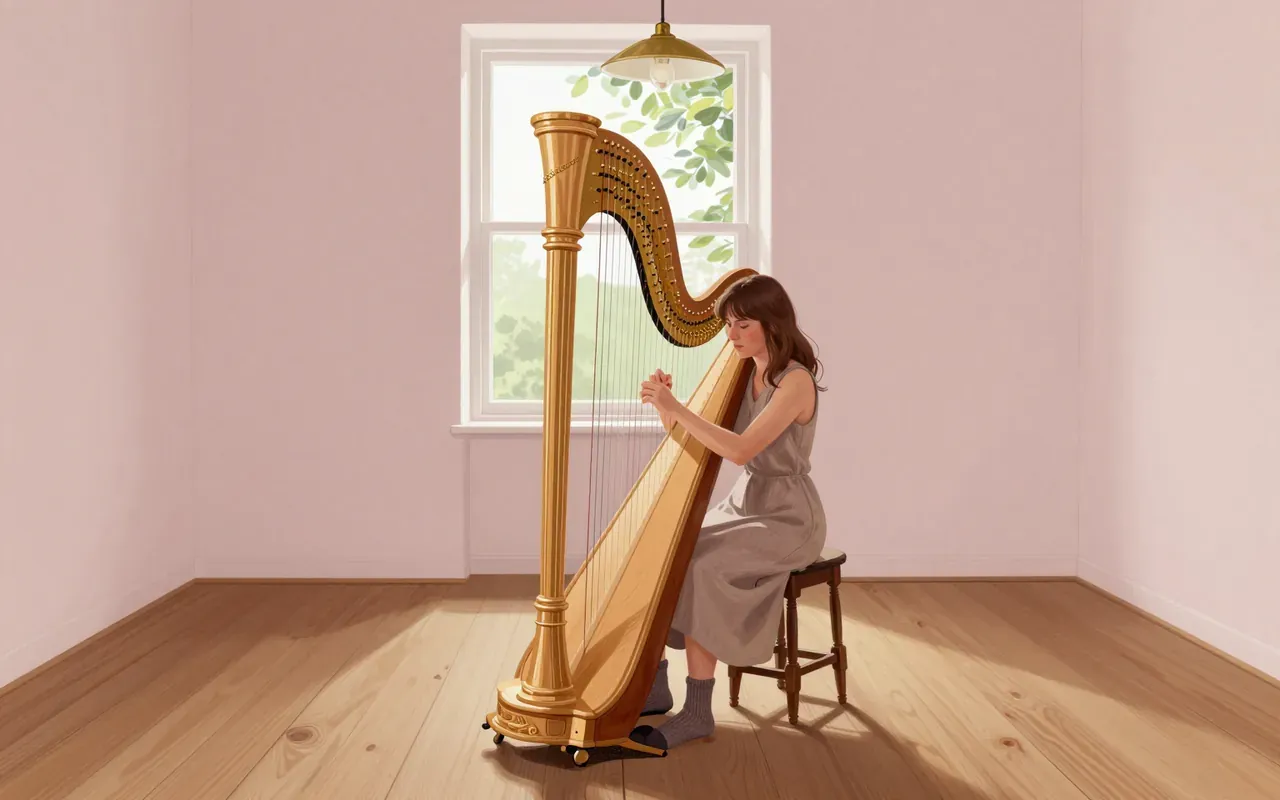
It is a self-released debut album recorded alone by Justin Vernon over three months in late 2006 to early 2007 in his father’s timber-frame cabin in western Wisconsin. It began as demos for label evaluation, not an album — nearly abandoned until friends urged its release in July 2007.
How it sounds, and how it was made
It sounds like a single voice layered into choirs, guitars strummed and plucked in open tunings, drums struck with mallets and sticks on found surfaces, all captured with one Shure SM57 microphone in a timber-frame cabin. Vernon built each song through heavy overdubbing — no live takes, no band, no reverb units — just proximity, repetition, and the room’s natural decay. He used falsetto and Auto-Tune not as effects but as vocal instruments, bending pitch to match syllabic weight of wordless melodies he recorded first.
What lands
The falsetto harmonies land with physical weight — stacked, breathy, close-mic’d, vibrating the cabin walls. The Silvertone guitar lands as dry and woody, its strings buzzing against frets in long decays. The drums land as muffled thuds and scrapes, played on his brother’s old kit with no isolation — just wood, skin, and air.
What does not
It does not build to catharsis. It does not resolve tension. It does not use major keys to signal hope or minor ones to signal sorrow. It does not separate voice from instrument, melody from texture, or recording from environment.
The ideas inside it
It is about being stuck — in grief, in place, in memory — and using constraint as a method to bypass intention. ‘Emma’ is not a person but a condition: a pain that won’t erase, a room you can’t leave, a sound you keep returning to because it holds what words cannot name.
Who should hear it, and who should not
People who listen to rooms, not just notes. People who hear rhythm in breath, harmony in decay, narrative in repetition. Not people who need lyrics to explain feeling, or production to flatter.
Is it worth your time
Yes — if you want music that treats silence as structural material, not absence. It rewards close listening, not background play. It is not for those who need forward momentum, rhythmic clarity, or lyrical exposition.