What the record is and where it came from
The Great Twenty-Eight was released in 1982, surveying Chuck Berry’s first decade at Chess. It gathers twenty-one singles, six B-sides and an album track. The selection makes the short recorded performance, rather than a later album concept, the unit around which the retrospective is built.
How it sounds, and how it was made
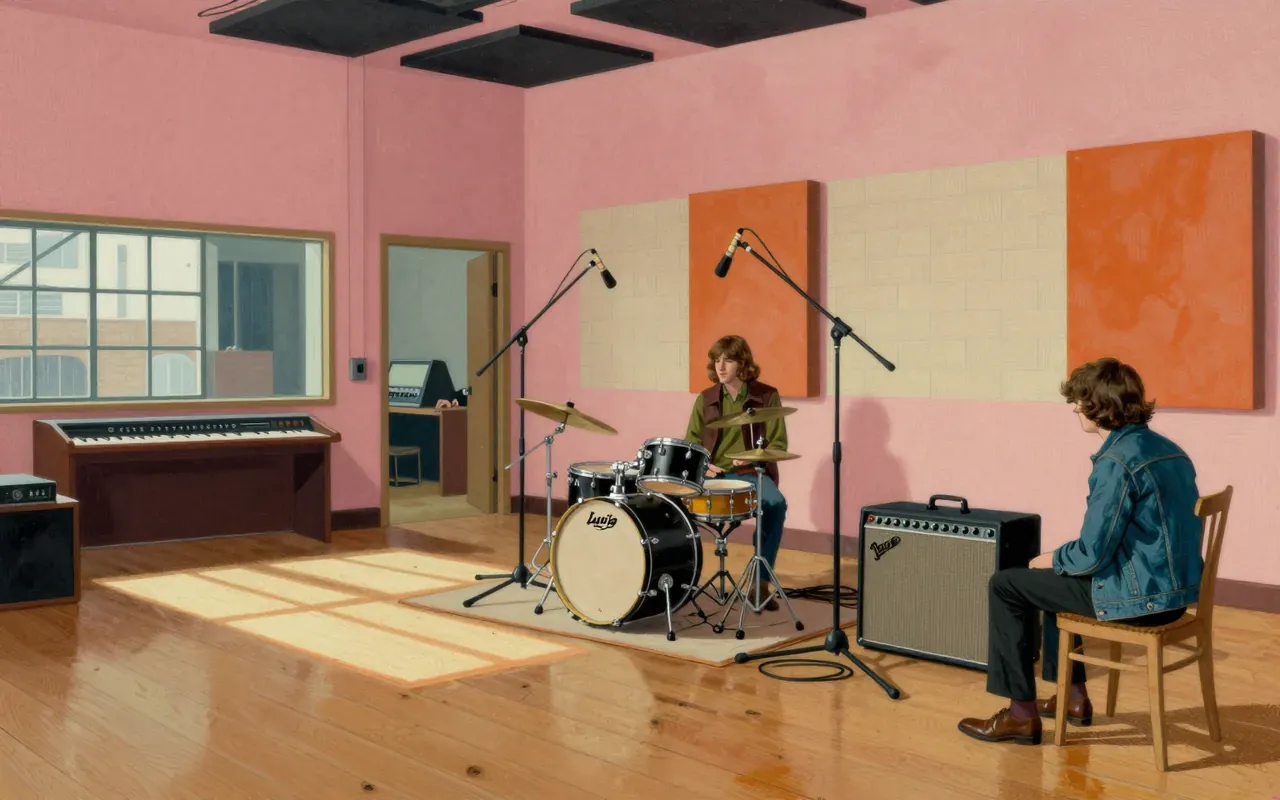
Berry’s guitar and vocals are joined across the sessions by piano, bass, drums and occasional saxophones or backing singers. Johnnie Johnson, Lafayette Leake and Otis Spann are among the pianists. The changing personnel matter beneath the continuity of the lead performer.
What lands
The breadth of the selection gives familiar songs a useful neighbourhood. Hearing a run of compact recordings makes the economy of Berry’s approach more apparent. The guitar remains important, but the piano and rhythm players keep the music from being reducible to one man’s signature gestures.
What does not
Twenty-eight songs can make recurring devices feel overly familiar during one sitting. The compilation also ends well before the full career does. Its strength as an introduction should not be mistaken for completeness or for a record originally conceived as a continuous programme.
The ideas inside it
A retrospective can reveal how a musical language develops through repeated short statements. The collection gives those statements enough proximity for their shared methods and changing details to become apparent.
Who should hear it, and who should not
Hear it if you want more breadth than a handful of famous singles. It is less appropriate when session continuity or a complete discography is the goal.
Is it worth your time
Yes. Listen in manageable stretches and keep the accompanying piano in focus alongside the guitar.