What the record is and where it came from
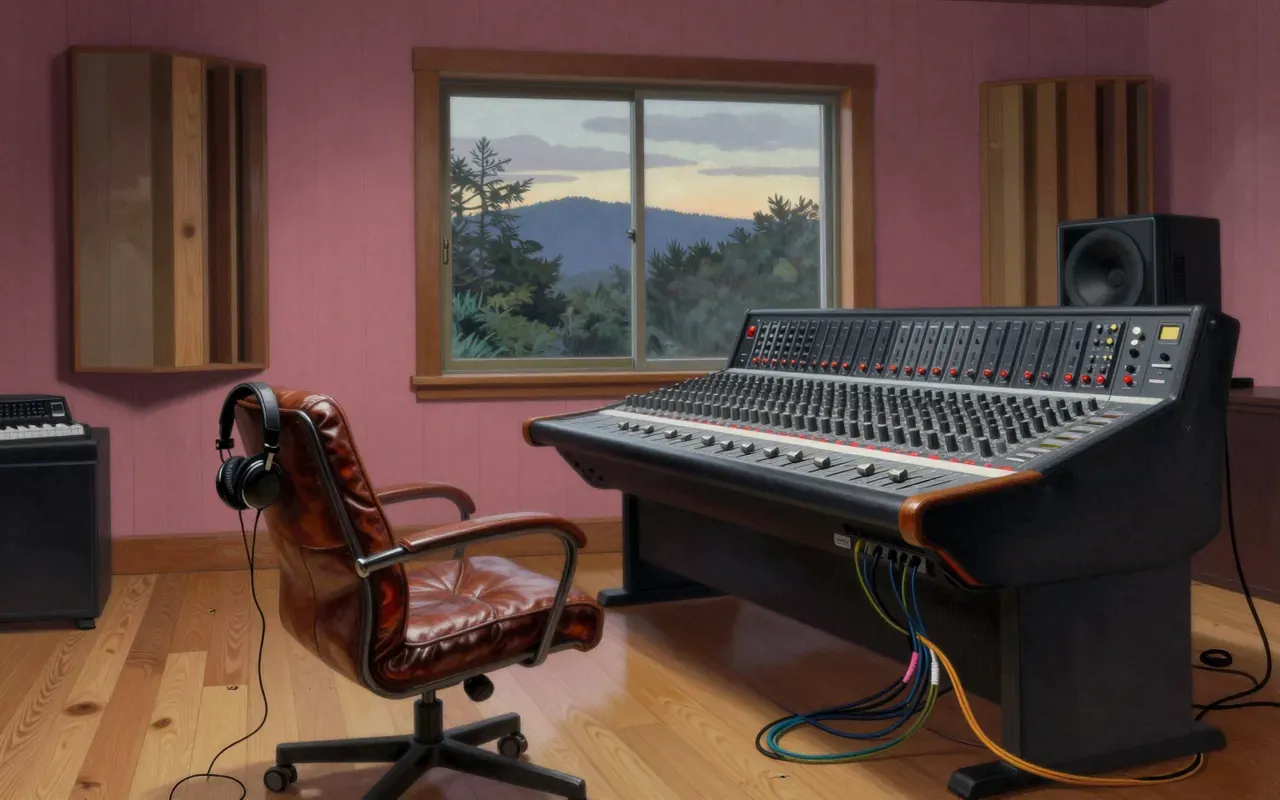
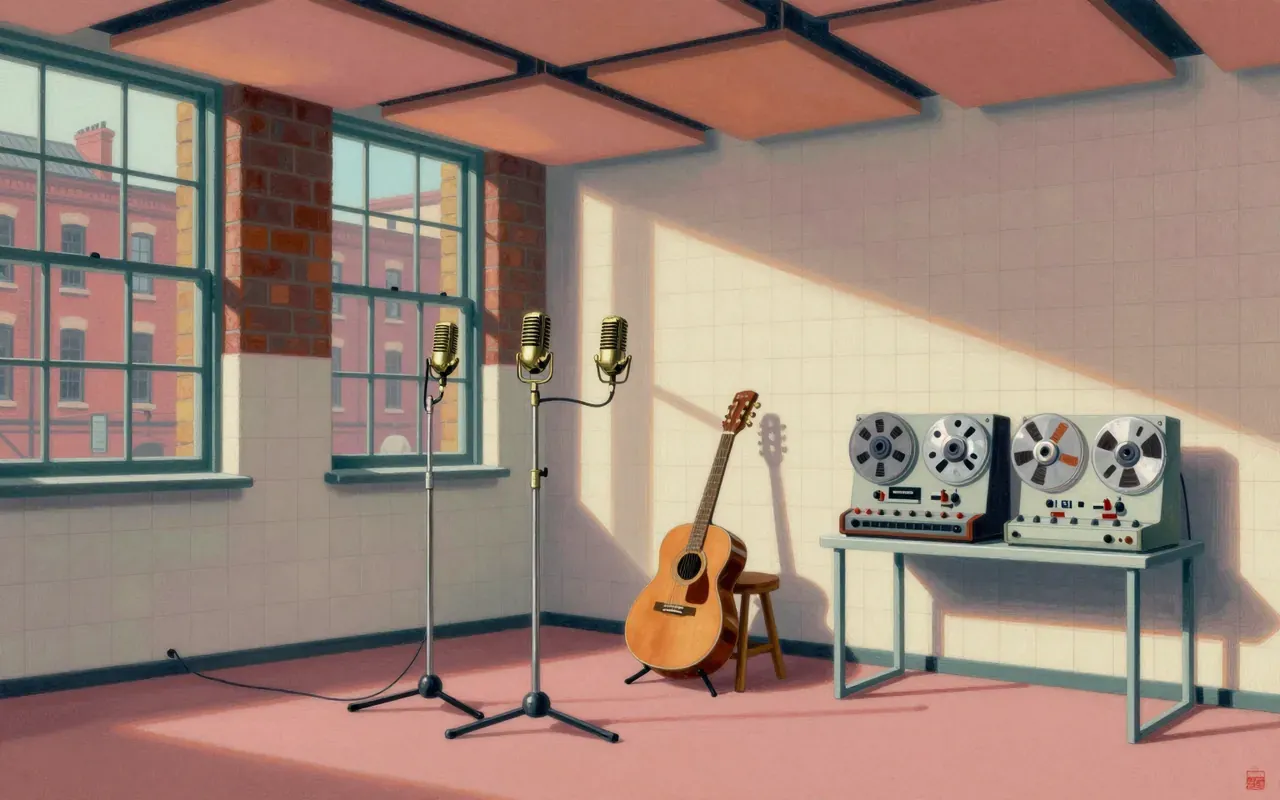
Ryan Adams’ 2000 solo debut album. His first record outside Whiskeytown. Recorded live to tape in 14 days. Produced by Ethan Johns at Woodland Studios in Nashville, Tennessee. Titled spontaneously after seeing a Mariah Carey poster reading ‘HEARTBREAKER’.
How it sounds, and how it was made
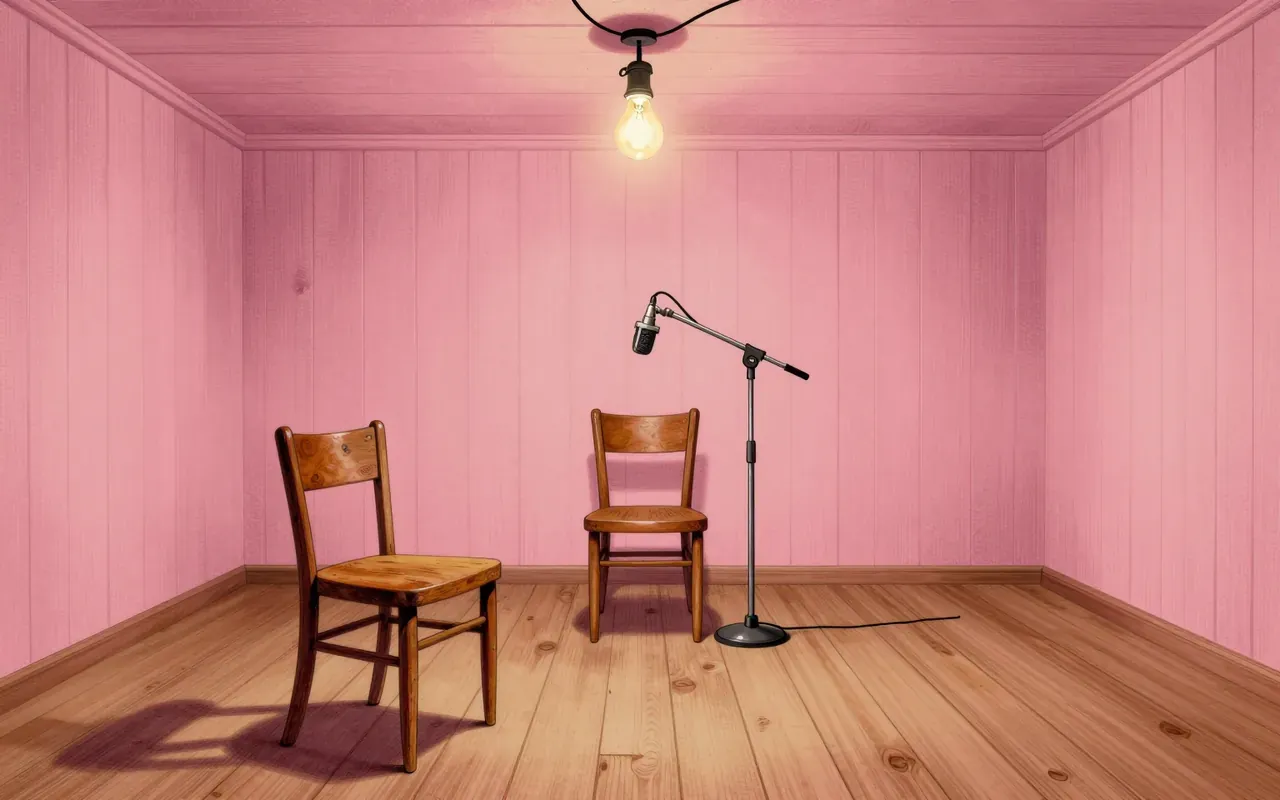
Recorded over 14 days at Woodland Studios in Nashville, Tennessee. Ryan Adams plays acoustic guitar, electric guitar, harmonica, piano, banjo, and sings. Ethan Johns plays drums, bass, Chamberlain, glockenspiel, B-3, and vibes. David Rawlings adds acoustic and electric guitar, banjo, tambourine, and backing vocals. Gillian Welch contributes banjo, acoustic guitar, electric bass, backing vocals, and the ‘voice of Lucy’. Pat Sansone plays piano on tracks 5, 9, and 11; Chamberlin and organ on track 6; and backing vocals on track 2. Emmylou Harris sings backing vocals on track 5 — ‘Oh My Sweet Carolina’. Kim Richey and Allison Pierce also contribute. The room is dry and close. No reverb tails. No studio effects beyond what the instruments and mics capture in that space.
What lands
The interplay of Adams’ raw vocal delivery and Gillian Welch’s ‘voice of Lucy’ on ‘My Winding Wheel’. The dry snare crack and upright bass thump on ‘Bartering Lines’. Emmylou Harris’ harmony entering mid-phrase on ‘Oh My Sweet Carolina’. The banjo-and-piano counterpoint on ‘Come Pick Me Up’.
What does not
It does not build momentum across tracks. It does not use electric bass as propulsion. It does not feature pedal steel, fiddle, or orchestration. It does not resolve tension. It does not reference place beyond Nashville’s studio walls.
The ideas inside it
Heartbreak as repetition. Loneliness as habit. Love as a question with no chorus. The record avoids catharsis. It lingers in the pause after a line ends, not the climax before it.
Who should hear it, and who should not
Listeners who value directness over decoration. Fans of unembellished vocal phrasing and room-as-instrument recording. People who hear ‘folk-influenced’ as restraint, not repertoire. Not for those who need groove, gloss, or narrative resolution.
Is it worth your time
Yes — if you want a folk-influenced solo debut with unvarnished playing, clear vocal takes, and no digital polish. No — if you expect production flourishes, rhythmic drive, or sonic variety beyond acoustic textures, brushed drums, and pedal steel absence.