What the record is and where it came from
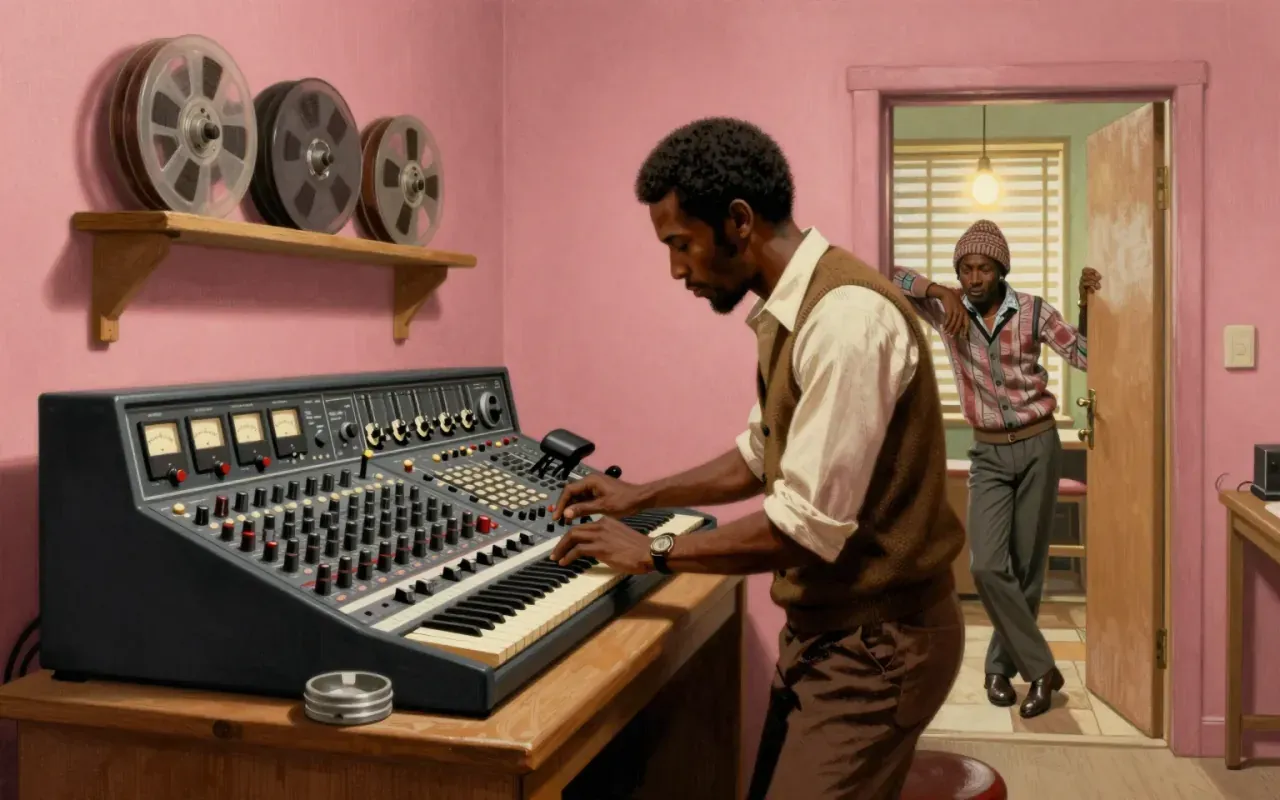
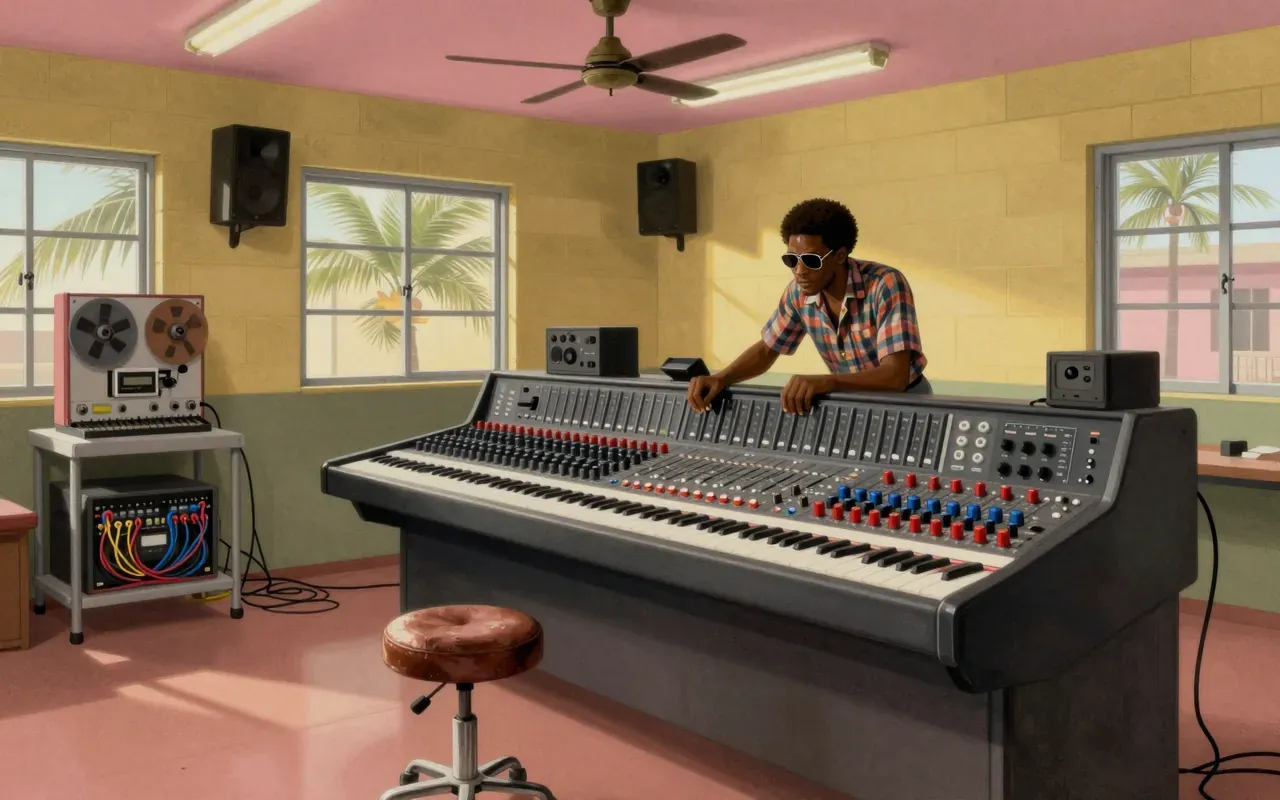
This 1976 album brings Augustus Pablo’s production and instrumental work together with King Tubby’s mixing. Musicians recorded at Randy’s in Kingston; the tapes then became material for another creative stage. The record belongs to a culture in which a recorded performance could generate further versions rather than settle into one definitive form.
How it sounds, and how it was made
Pablo’s credited instruments include melodica, piano, organ and clavinet. The players include drummer Carlton Barrett, bassists Robbie Shakespeare and Aston Barrett, and guitarist Earl “Chinna” Smith. That ensemble supplies the substance Tubby reshapes.
Dub makes the treatment of a recording part of its musical argument. A listener can follow the relationship between the instrumental parts and the space the mix gives them, without waiting for a singer to explain the piece.
What lands
The title track offers a particularly useful comparison with Jacob Miller’s “Baby I Love You So,” whose recording it versions. Hearing the two together makes the creative transformation easier to recognise. What changes is the listener’s route through shared material.
Pablo’s presence also keeps the collaboration from being understood solely as a technical achievement. Instrumental character and production decisions have equal claims on the result.
What does not
The version-based approach can be disorienting if you expect each title to introduce an entirely separate song. Editions also differ, so an expanded track list can obscure the shape of the original album. Start with the core programme before treating every additional mix as essential.
The ideas inside it
A recording can remain open to composition after the players have finished. This album makes authorship a collaboration across stages: performance, production and mixing. The engineer’s intervention changes what the music asks us to notice.
Who should hear it, and who should not
Hear it if you want to understand dub through a concrete collaboration. Listeners chiefly drawn to reggae’s vocal storytelling may find the accompanying Miller recording an easier entrance.
Is it worth your time
Yes. The title track and its vocal counterpart provide an immediate way in; the album then rewards attention to how much expressive work a mix can do.