Saved
Jazz

Lady Sings the Blues

This is not a comeback. It is a reckoning — recorded in two rooms, across two years, with no attempt to hide the distance between them.

Worth your time?4.5/5Yes.Hear the whole thing.What works, what does not, who it is for ↓
9:41in productionCh. 1 · A Book With Sound/ 9:41 · ceiling 15 min
4 chapters · 9:41Ceiling 15:00

The brief is written and checked. The video joins this page when it is cut.4 chapters · 2 min read · 9:41 planned

Read the brief

A companion LP to Billie Holiday’s 1956 autobiography. Released in June 1956. Compiled from two sessions: September 1954 at Capitol Studios and June 1956 at Fine Sound Studios in New York City. Four tracks are new; eight are re-recordings of her biggest hits.

Chapters & takeaways4
  1. 1:23
    A Book With Sound

    Four new songs and eight re-recordings were chosen to match the autobiography’s release — not to update, but to restate.

  2. 3:06
    Two Rooms, Two Years

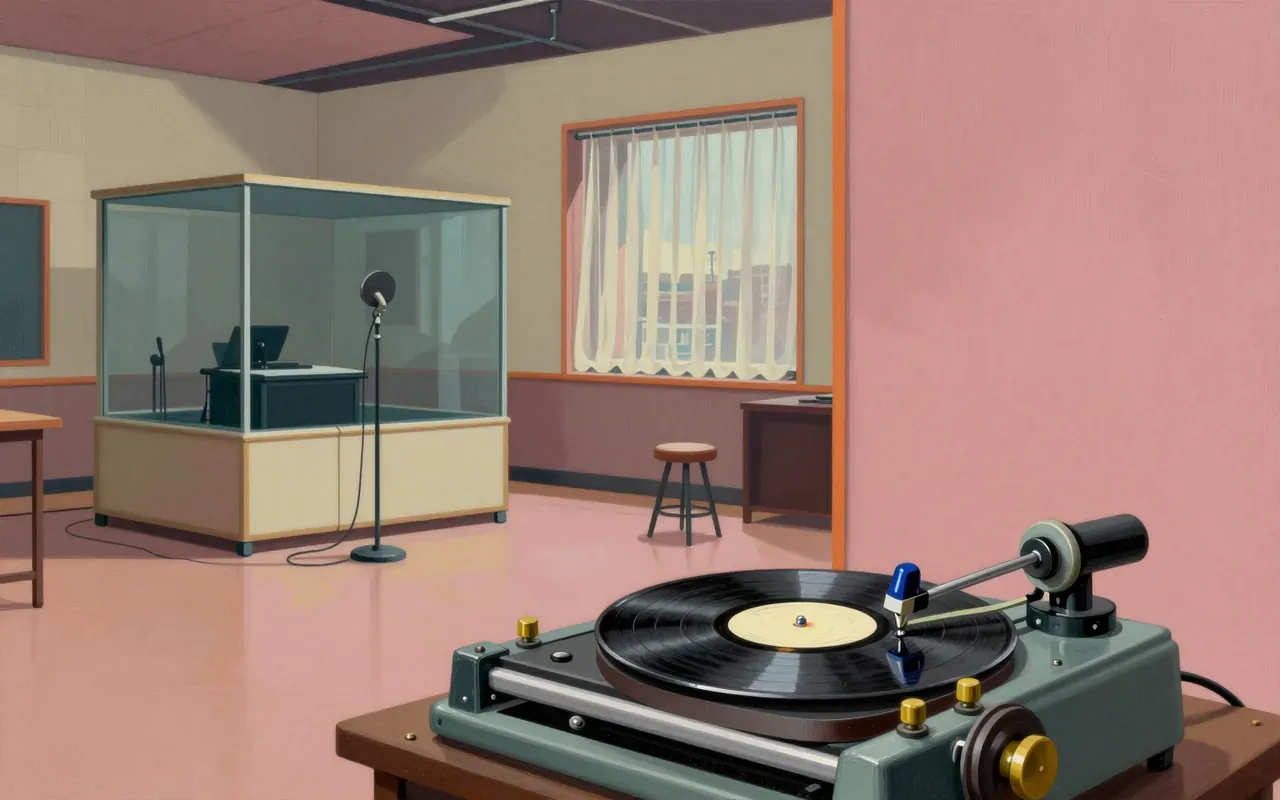
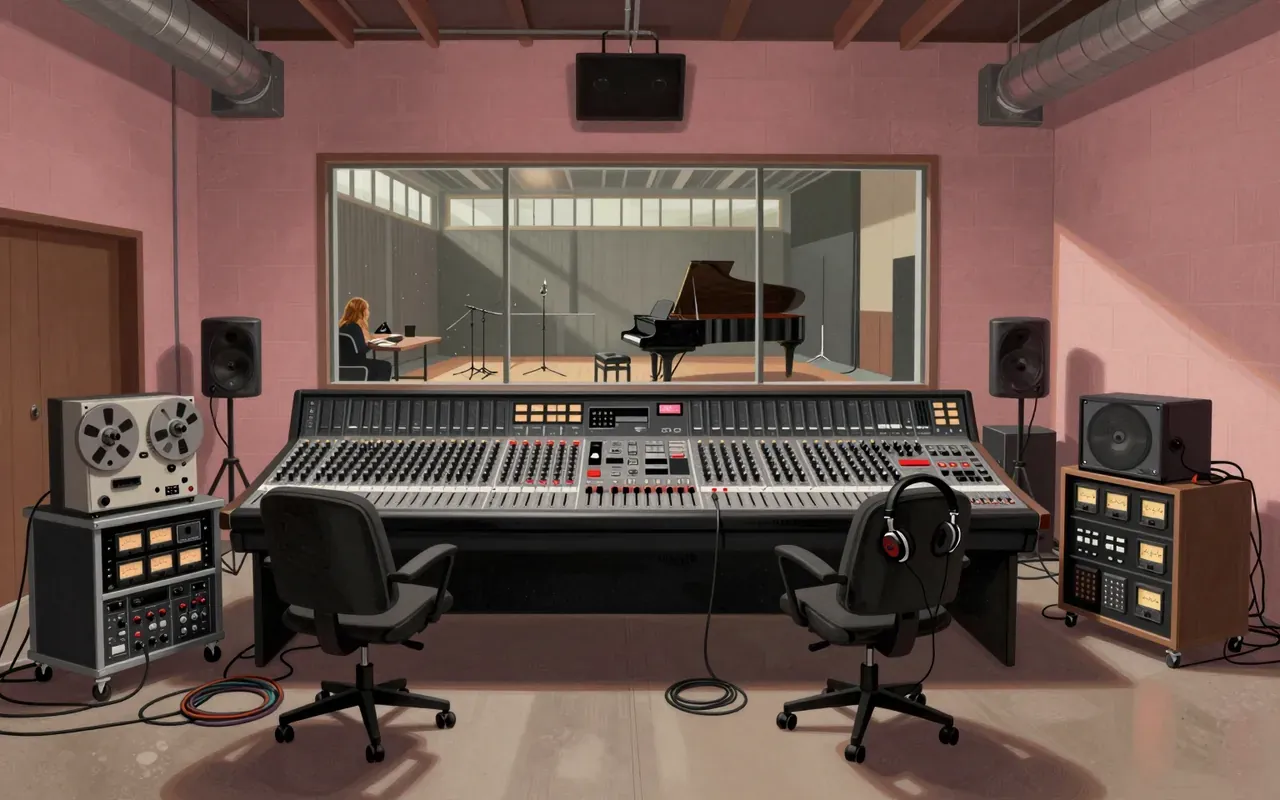
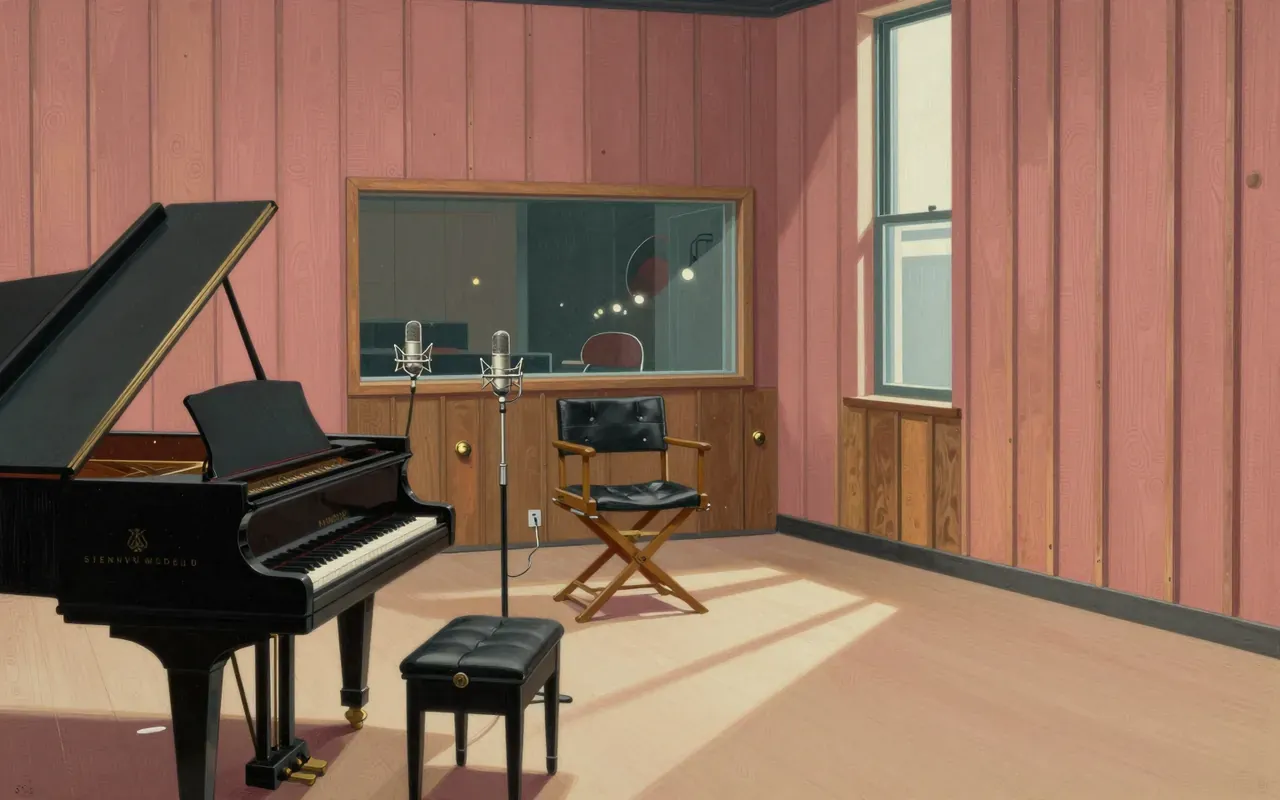
    The album was cut in two distinct rooms, two years apart — Capitol Studios in 1954, Fine Sound Studios in 1956.

  3. 4:19
    A Band, Not A Backing

    The 1956 session features tenor saxophone, trumpet, clarinet, piano, guitar, drums and bass — a full small-group jazz ensemble, not a backing track.

  4. 5:59
    In Good Voice Now

    A Billboard reviewer heard Holiday's voice as 'in good voice now' — not restored, not ideal, but present and communicative.

1 more chapterFewer chapters
Running order12
  1. 01
    Lady Sings the Blues3:49

    Heard in Lady Sings the Blues (1972)The Bodyguard (1992)Mahogany (1975)The Jazz Singer (1980)

  2. 02
    Trav'lin' Light3:13
  3. 03
    I Must Have That Man3:09
  4. 04
    Some Other Spring3:43
  5. 05
    Strange Fruit3:09

    Heard in Strange Fruit (2004)The Suit (2016)The United States vs. Billie HolidayStill Crazy (1998)

  6. 06
    No Good Man3:27
  7. 07
    God Bless the Child4:02

    Heard in Lady Sings the Blues (1972)August Rush (2007)

  8. 08
    Good Morning Heartache3:33

    Heard in Beware (1946)

  9. 09
    Love Me or Leave Me2:40

    Heard in Love Me or Leave Me (1955)

  10. 10
    Too Marvelous for Words2:18

    Heard in Ready, Willing and Able (1937)Dark Passage (1947)Remains to Be Seen (1953)

  11. 11
    Willow Weep for Me3:15

    Heard in Eva (1962)Carol (2015)

  12. 12
    I Thought About You2:52

Film placements are the ones described in each film's own entry, so the list is partial rather than complete.

Worth your time?

Yes. Hear the whole thing.

4.5/ 5
What works
  • 'Strange Fruit' lands with unchanged gravity
  • 'God Bless the Child' lands as both confession and indictment
  • 'Lady Sings the Blues' lands as title track and thesis — not self-mythologising, but self-naming
  • The June 1956 session lands as cohesive: eight tracks cut in two days, same room, same personnel
What does not
  • sound like a farewell
  • smooth over vocal grain or rhythmic hesitation
  • isolate Holiday from her band
  • avoid repetition
Hear it if
  • people who want to hear Holiday’s voice in 1956 — unvarnished, present, technically diminished but expressively intact
  • not people seeking sonic consistency across the album
  • not people who need context beyond what the songs deliver
Skip it if
  • people who want to hear Holiday’s voice in 1956 — unvarnished, present, technically diminished but expressively intact
  • not people seeking sonic consistency across the album
  • not people who need context beyond what the songs deliver
Who should hear it, and who should skipHide who it is for
The written brief2 min read

What the record is and where it came from

A companion LP to Holiday’s 1956 autobiography. Released in June 1956. Compiled from two sessions: September 1954 at Capitol Studios and June 1956 at Fine Sound Studios in New York City. Four tracks are new; eight are re-recordings of her biggest hits.

How it sounds, and how it was made

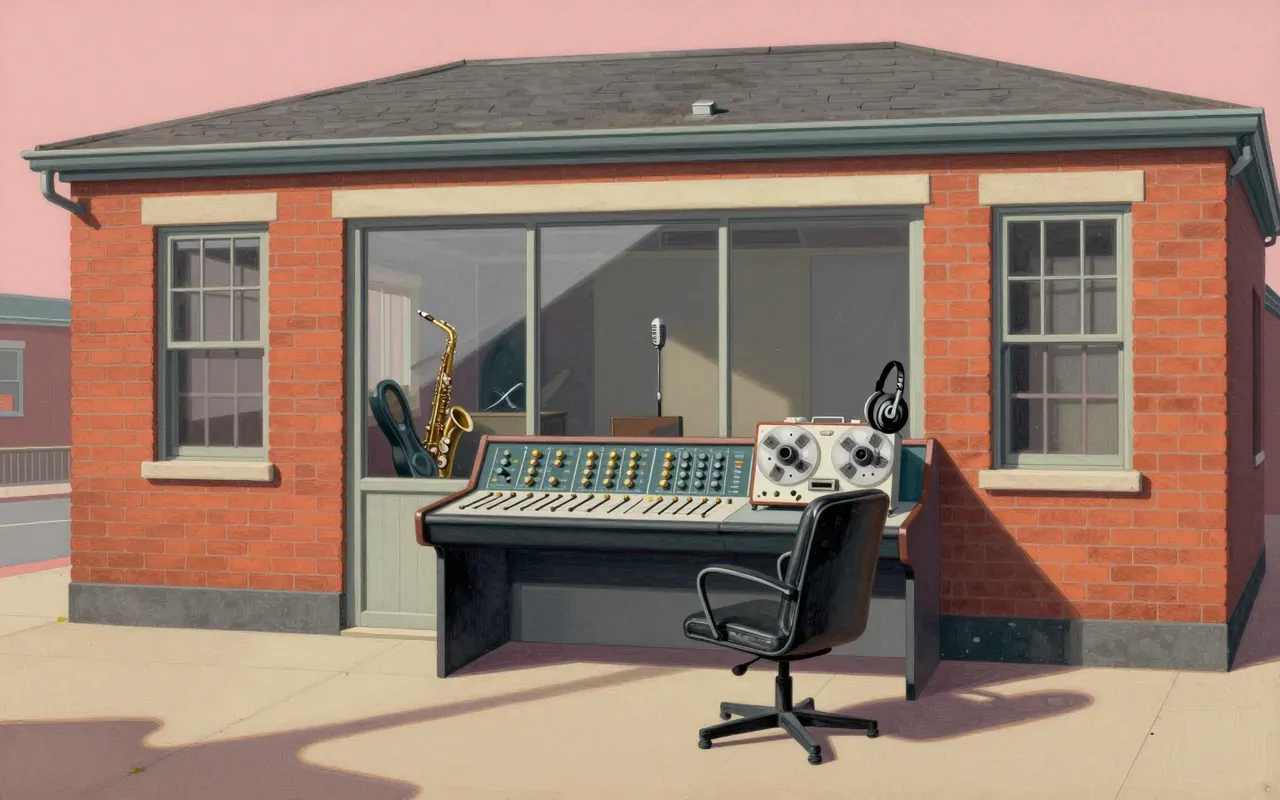
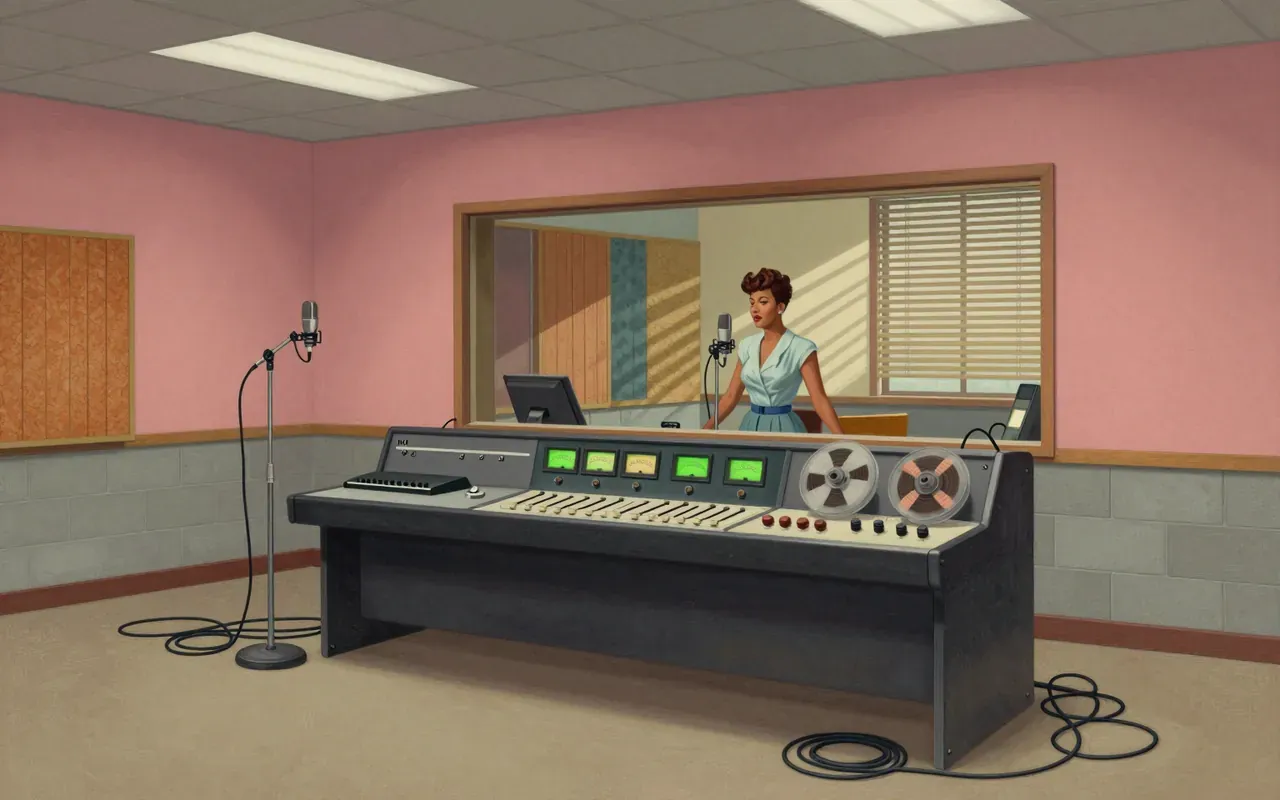
The album was made across two sessions: one in September 1954 at Capitol Studios, with alto saxophone, trumpet, piano, guitar, drums and bass; another in June 1956 at Fine Sound Studios in New York City, with tenor saxophone, trumpet, clarinet, piano, guitar, drums and bass. The 1956 session adds Tony Scott on clarinet and Lenny McBrowne on drums. The room is not described. No production choices — reverb, mic placement, tape speed, mixing — are stated.

What lands

‘Strange Fruit’ lands with unchanged gravity. ‘God Bless the Child’ lands as both confession and indictment. ‘Lady Sings the Blues’ lands as title track and thesis — not self-mythologising, but self-naming. The June 1956 session lands as cohesive: eight tracks cut in two days, same room, same personnel.

What does not

It does not sound like a farewell. It does not smooth over vocal grain or rhythmic hesitation. It does not isolate Holiday from her band. It does not avoid repetition — eight re-recordings anchor the album, not frame it.

The ideas inside it

It frames Holiday’s life as a sequence of songs — not autobiography as narrative, but as repertoire. The record treats her hits as material to be re-entered, not preserved. It asserts continuity between her past recordings and present voice, without erasing time’s effect.

Who should hear it, and who should not

People who want to hear Holiday’s voice in 1956 — unvarnished, present, technically diminished but expressively intact. Not people seeking sonic consistency across the album. Not people who need context beyond what the songs deliver.

Is it worth your time

Yes. It is the only studio document of Holiday’s voice in mid-1956, reviewed at the time as ‘in good voice now’. It contains definitive late-career versions of ‘Strange Fruit’ and ‘God Bless the Child’, plus four new interpretations of standards.
Same genre · Jazz4 of 167
9:26
Genius + Soul = JazzRay Charles · 1961Genius + Soul = Jazz is a tightly focused, instrumentally unified statement — not a genre experiment, but a logistical execution of a clear idea: jazz as architecture, not improvisation.
9:40
Ella Fitzgerald Sings the Cole Porter Song BookElla Fitzgerald · 1956Ella Fitzgerald Sings the Cole Porter Song Book is a 1956 studio double album recorded in Hollywood over four sessions in February and March 1956; it features Fitzgerald singing Cole Porter’s songs with a studio orchestra conducted and arranged by Buddy Bregman, under producer Norman Granz’s conceptual direction to expand her audience while preserving jazz inflections through orchestral arrangement choices. It was the inaugural release on Verve Records and launched Fitzgerald’s acclaimed Song Book series.
10:09
Ella Fitzgerald Sings the Gershwin Song Book, Vol. 2Ella Fitzgerald · 1959Ella Fitzgerald Sings the Gershwin Song Book, Vol. 2 is a documented instalment in a pre-defined series — not a self-contained artistic event. Its value lies entirely in its position: following the Cole Porter volume, preceding others, and contributing to a structured survey of the Great American Songbook. Nothing in the source supports claims about its sound, performance, or originality.
11:02
That's AllBobby Darin · 1959That's All is Bobby Darin’s second studio album, released in March 1959. It was arranged by Richard Wess. Darin conceived it to demonstrate vocal range beyond rock and roll. It launched him from teen pop into the adult market. 'Mack the Knife' changes key chromatically five times. The album features Hank Jones, Barry Galbraith, Eddie Safranski, Osie Johnson, Don Lamond, Doc Severinsen, Joe Cabot, Al DeRisi, Frank Rehak, Chauncey Welsch, Jerry Sanfino, Romeo Penque, and Joe Soldo. Engineers were Tom Dowd, Carl Lustig, Herb Kaplan, and Heinz Kubicka.
Up next in Music

Lemonade

Beyoncé · 2016 · 9:41

A studio-built emotional map — not a confession, not a spectacle, but a sequence of rooms you walk through one at a time.

9:41