Psychobilly isn’t rebellion—it’s a costume made of rockabilly riffs and horror posters.
Psychobilly is a rock fusion genre that merges rockabilly and punk rock. It emerged from New York City’s 1970s punk underground, pioneered by The Cramps after their 1975 relocation from California. It delivers visceral speed and rhythmic punch by fusing rockabilly’s slap bass and hollowbody twang with punk’s aggression. Its apolitical stance sidesteps the social tensions that fuelled both punk and rockabilly’s original rebellions. It clarifies how genre labels can be self-invented tools for aesthetic alignment—not organic movements—and how taboo themes function as stylistic shorthand, not subversion. Yes—if you want to hear how punk’s energy and rockabilly’s swagger collided in a deliberately unserious, image-obsessed package.
It’s rockabilly played at punk speed—with horror imagery bolted on.
2:01
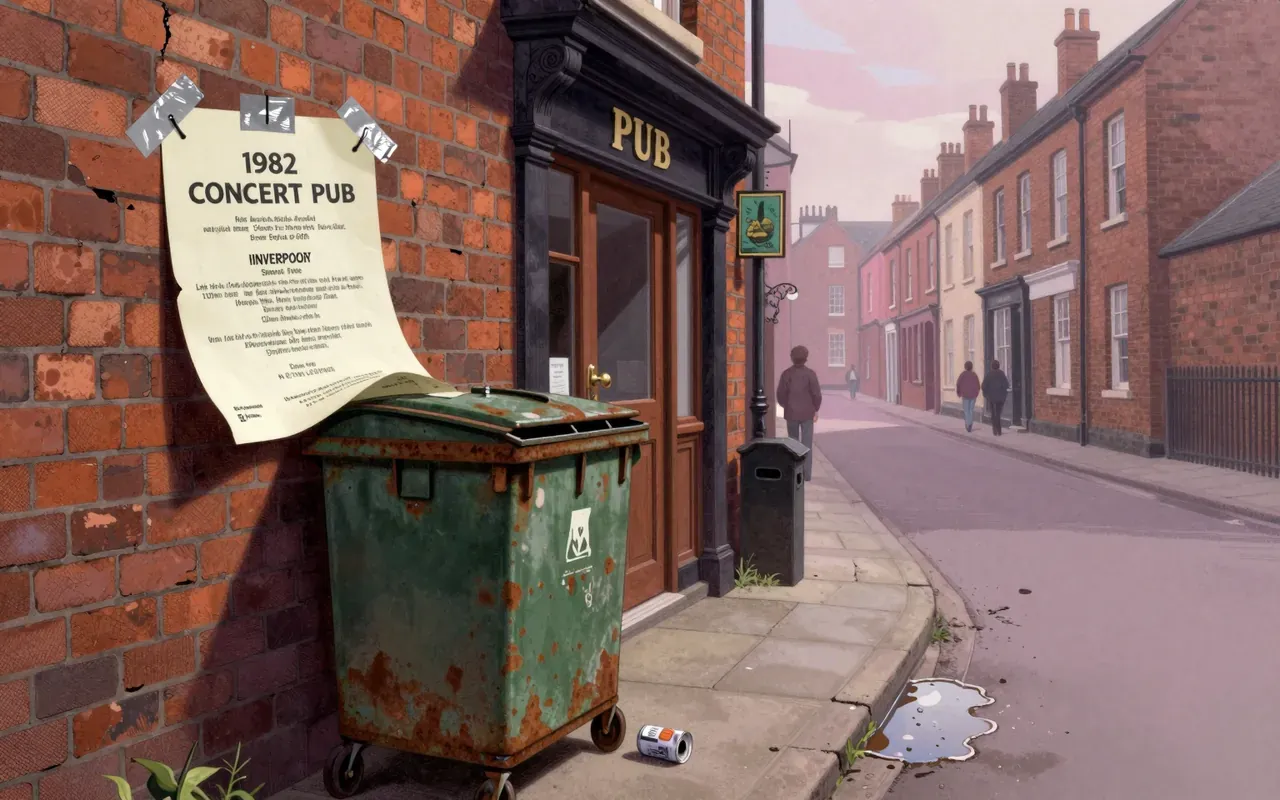
A label invented on a flyer
The Cramps coined ‘psychobilly’ in 1975 New York, cribbing from Sun Records and Hasil Adkins.
3:46
Three players, two instruments, one slap
Trio lineups with upright bass and hollowbody guitar define its physical sound.
5:45
No agenda, just gore and giggles
It treats taboo subjects comically—and refuses politics entirely.
Worth your time?
Yes. Hear the whole thing.
3.5/ 5
What works
as a stylistic experiment
as a case study in DIY genre labelling
What does not
iconic
groundbreaking
seminal
timeless
Hear it if
fans of 1970s New York underground music
listeners curious about genre formation as branding
Skip it if
those seeking political resonance or lyrical depth
The written brief1 min read
What the thing is
Psychobilly is a rock fusion genre that merges rockabilly and punk rock.
Where it came from
It emerged from New York City’s 1970s punk underground, pioneered by The Cramps after their 1975 relocation from California.
What it gets right
It delivers visceral speed and rhythmic punch by fusing rockabilly’s slap bass and hollowbody twang with punk’s aggression.
What it gets wrong
Its apolitical stance sidesteps the social tensions that fuelled both punk and rockabilly’s original rebellions.
Why it matters now
It clarifies how genre labels can be self-invented tools for aesthetic alignment—not organic movements—and how taboo themes function as stylistic shorthand, not subversion.
Is it worth your time
Yes—if you want to hear how punk’s energy and rockabilly’s swagger collided in a deliberately unserious, image-obsessed package.