What the record is and where it came from
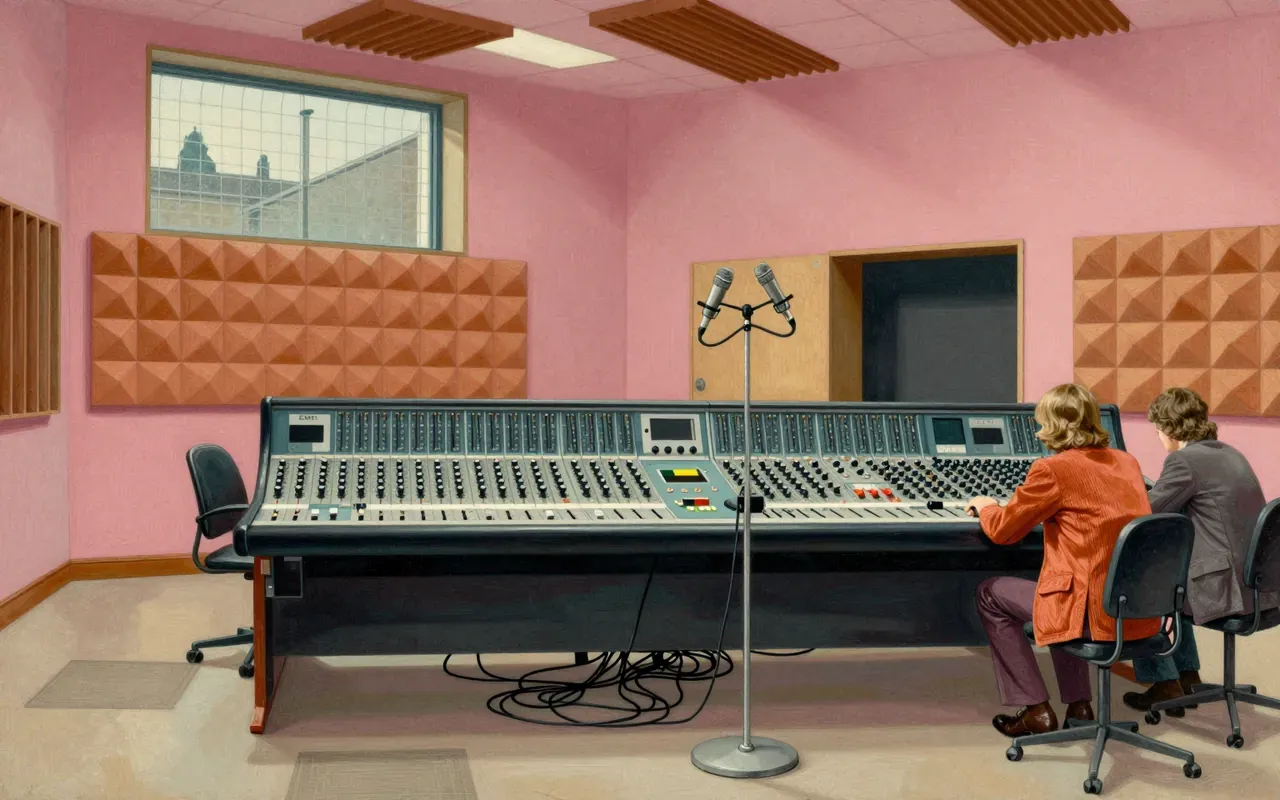
The Police’s second album appeared in 1979, following Outlandos d’Amour. Recording took place in sessions spread across several months, with the band choosing continuity over the larger studio and more famous producer its label proposed. That setting allowed the trio to keep developing its own balance.
How it sounds, and how it was made
Guitar, bass and drums carry the principal instrumental relationships beneath Sting’s voice. The reggae influence gives the rock format another way to distribute activity and space. With only three players, a part’s restraint can matter as much as its prominence.
What lands
“Message in a Bottle” and “Walking on the Moon” give the album two clear centres. The title instrumental provides another perspective by moving attention away from the lead lyric. Together they show a band whose identity resides in the relationship between its parts as well as its singer.
What does not
The limited palette makes the weaker songs more exposed. Listeners seeking the cultural and musical setting of Jamaican roots reggae may also find the band’s selective adaptation insufficient. The album’s own title signals that difference rather than erasing it.
The ideas inside it
A small ensemble can use absence as a positive resource. Leaving space lets an individual figure establish more character, provided the players sustain a shared pulse and direction. The trio format makes those choices unusually legible.
Who should hear it, and who should not
Hear it if you enjoy hearing how a few instrumental roles fit together. It is less suitable when the desired pleasure is orchestral abundance or a comprehensive account of reggae.
Is it worth your time
Yes. Hear the instrumental title track alongside the famous singles; it clarifies how much of the attraction belongs to the band itself.