What the record is and where it came from
The Scream is Siouxsie and the Banshees’ 1978 debut, produced with Steve Lillywhite. Recording at RAK took a week, followed by three weeks of mixing. The distinction matters: this is a band establishing a carefully shaped recorded identity, rather than merely documenting its arrival.
How it sounds, and how it was made
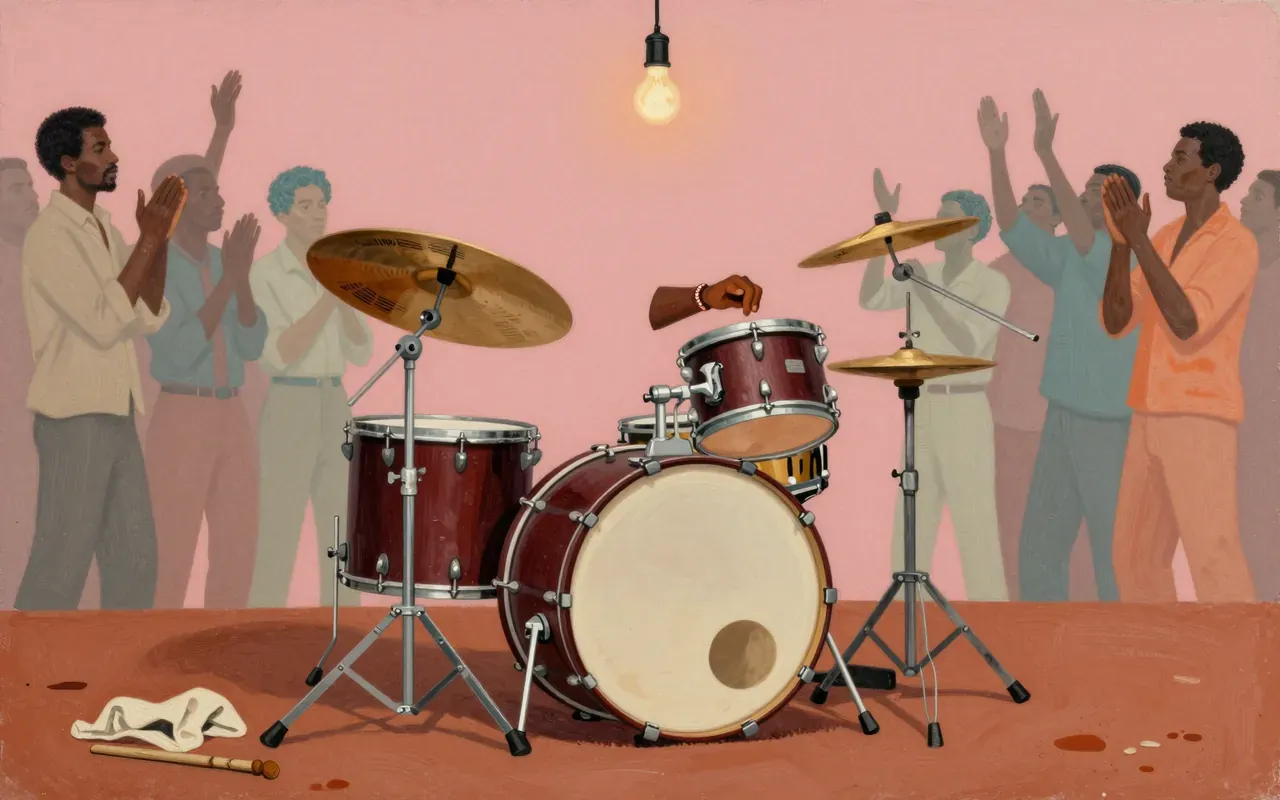
John McKay’s jagged guitar works within a sound driven by bass and tom-heavy drums. The spaces between those elements give Siouxsie’s voice room without making the result comfortable. Lillywhite’s production helps turn separation into tension; the instruments retain their edges instead of merging into a general roar.
What lands
“Metal Postcard” and “Overground” are useful points of entry into the band’s particular language. The arrangements make atmosphere a consequence of how the musicians occupy the recording. The debut’s strength is that a recognisable identity emerges from the relationship between its parts.
What does not
That identity can also feel forbidding. Listeners waiting for an easy emotional welcome may find the vocal stance and angular accompaniment persistently withholding. Its concentration on unease can narrow the range of responses available during an uninterrupted listen.
The ideas inside it
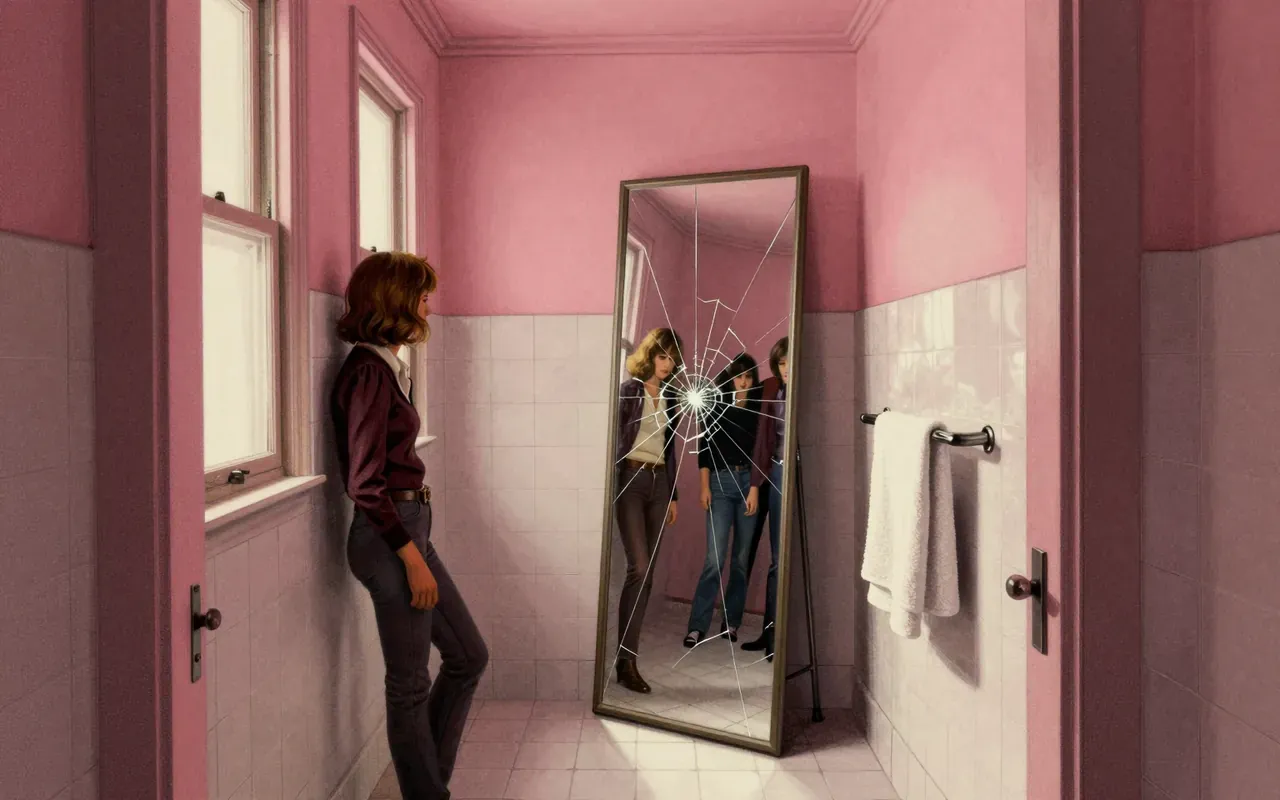
Space does not necessarily mean freedom or relief. Here it can make the individual sounds seem more exposed and the surrounding silence more charged. The record treats the familiar rock ensemble as material that can be reorganised to suggest a less familiar world.
Who should hear it, and who should not
Hear it if the construction of mood interests you as much as a chorus. It is a difficult fit for listening that requires warmth, smoothness or immediate reassurance from the singer.
Is it worth your time
Yes. Follow the bass and drums as closely as the guitar; the album’s disturbance comes from their combined organisation.