What the record is and where it came from
Sister was released in 1987 with Sonic Youth’s previous lineup intact: Thurston Moore, Kim Gordon, Lee Ranaldo and Steve Shelley. It continues the movement toward song structures begun on EVOL. Philip K. Dick’s life and fiction provide a loose conceptual background rather than a straightforward plot.
How it sounds, and how it was made
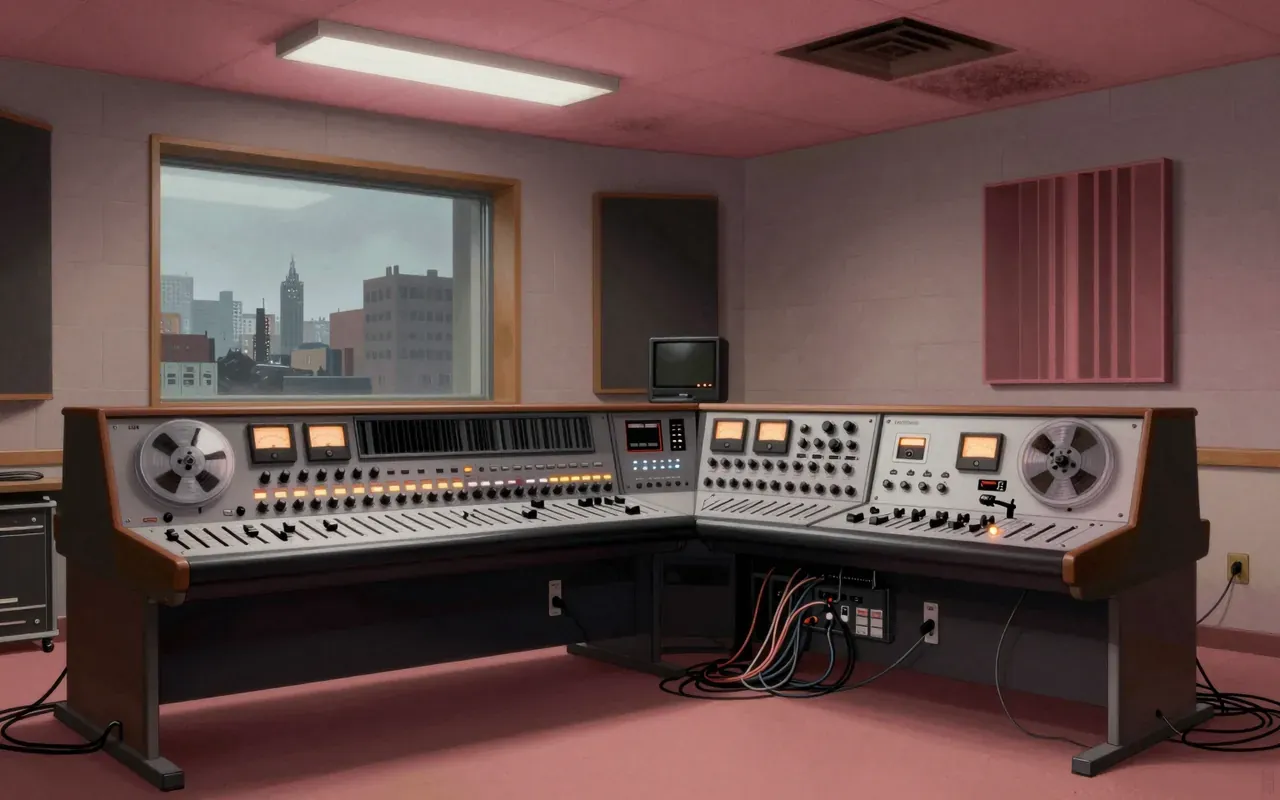
Recorded on analog equipment at Sear Sound, the album retains an experimental guitar approach while making its forms more accessible. A modular Moog appears on “Pipeline/Kill Time.” The additional colour sits within a record still defined by the working group’s interaction.
What lands
The songs give the unusual sounds a more readily followed shape. Instead of requiring a choice between melody and disorientation, the band lets one sharpen the other. A familiar structure can make a disruptive texture more noticeable because the listener has a place from which to hear the disturbance.
What does not
The guitar surfaces remain a real barrier for listeners who equate clarity with clean tone. The literary inspiration can also encourage an over-elaborate decoding exercise. A loose conceptual connection does not mean every line maps onto one source.
The ideas inside it
An unstable sense of reality can be suggested through sound and form without a fully explained narrative. The album’s combination of recognisable songs and unsettled textures gives that idea a practical musical shape.
Who should hear it, and who should not
Hear it if you want an entrance into Sonic Youth that preserves the difficulties rather than removing them. It is less useful when melodic accessibility must also mean tonal comfort.
Is it worth your time
Yes. Follow the songs first, then return to the details that make their apparent stability less secure.