What the record is and where it came from
It is Courtney Barnett’s debut studio album. It was recorded in Melbourne in April 2014 with her long-standing touring band — Barnett (guitar/vocals), Dave Mudie (drums/percussion), Bones Sloane (bass), and Dan Luscombe (guitar). It was released worldwide on 23 March 2015.
How it sounds, and how it was made
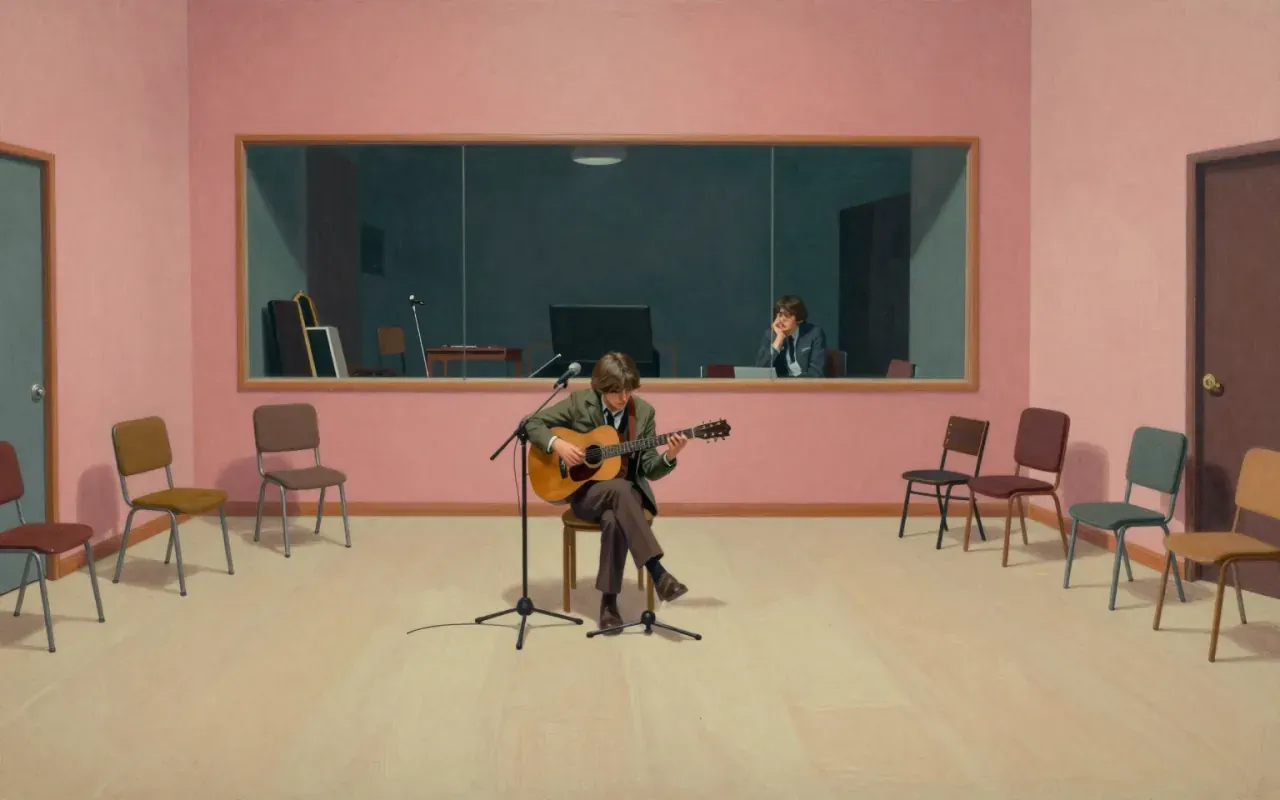
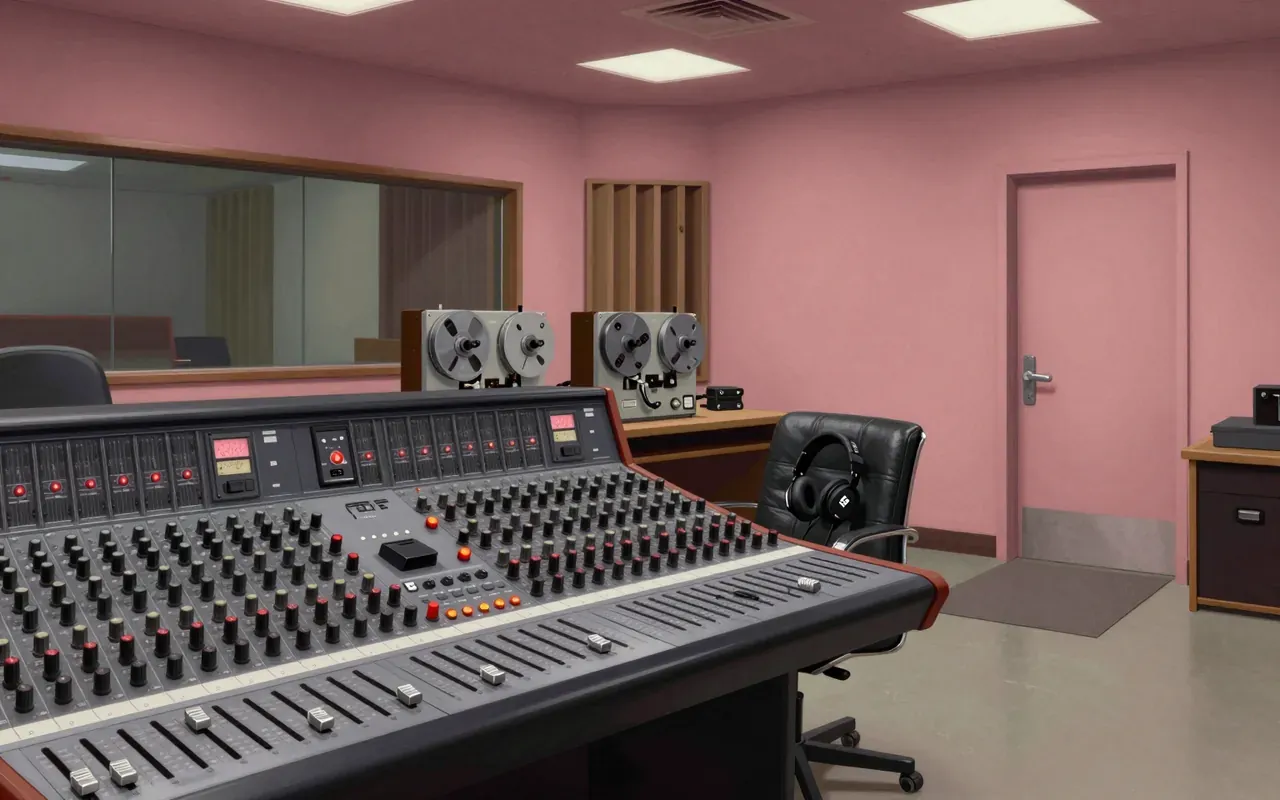
It sounds like a live band playing in a room, with guitar, bass, drums and occasional second guitar. The recording was made over eight days in Melbourne in April 2014. The band rehearsed for only one week before tracking to preserve a fresh sound. ‘Pedestrian at Best’ was written at the last minute and sung aloud for the first time during recording. Production was shared by Courtney Barnett, Burke Reid and Dan Luscombe; Reid engineered and mixed, Luscombe contributed to mixing.
What lands
The vocal delivery lands: conversational, unvarnished, rhythmically precise. The guitar tone lands: dry, present, slightly ragged. The drum sound lands: close-miked, immediate, unprocessed. ‘Depreston’ and ‘Pedestrian at Best’ land as anchors — one patient and observational, the other frantic and self-lacerating.
What does not
It does not build momentum through arrangement or dynamics. It avoids studio effects, overdubs, or instrumental elaboration beyond the core four-piece. There are no string sections, synths, backing choirs or tempo shifts. It does not resolve tension — it observes it.
The ideas inside it
The album holds ideas about urban solitude, self-scrutiny, inertia, gentrification, and the quiet absurdity of daily life. ‘Depreston’ names a suburb and traces its physical and emotional topography. ‘An Illustration of Loneliness (Sleepless in New York)’ locates alienation in a specific city and state of wakefulness.
Who should hear it, and who should not
People who listen to guitar-based songwriting where lyrics carry weight and timing matters more than polish. People who value specificity over sweep. Not people who need sonic escalation, narrative resolution or production sheen.
Is it worth your time
Yes. It rewards attention to phrasing, rhythm and lyrical detail. It is not a polished studio artefact but a document of a band finding its voice in real time.