What the record is and where it came from
Fiona Apple’s second album arrived in 1999 with a title long enough to distract from almost anything. The poem behind it answered hostile reactions to a magazine profile. The songs deserve to be heard beyond that defensive gesture: they examine the difficulty of recognising your behaviour while remaining caught inside it. Jon Brion produced the record, expanding the settings around Apple’s voice and piano.
How it sounds, and how it was made
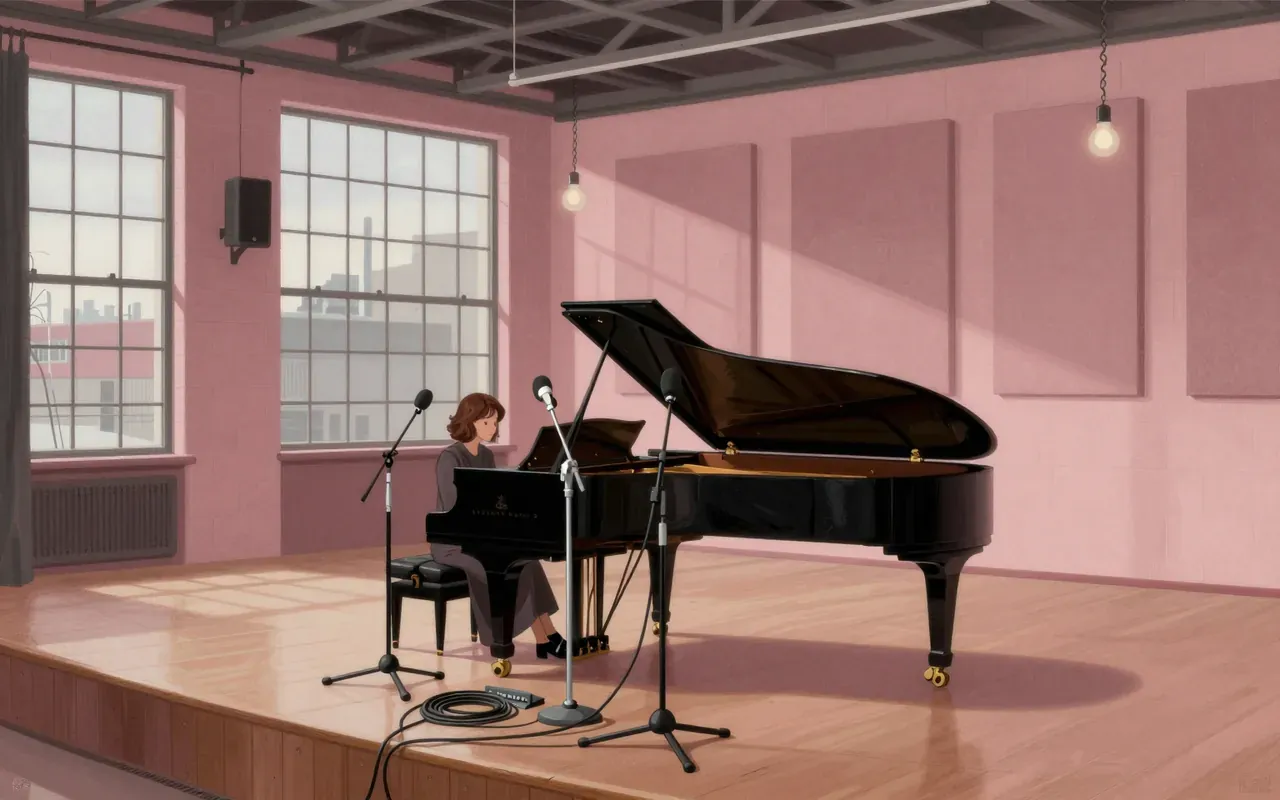
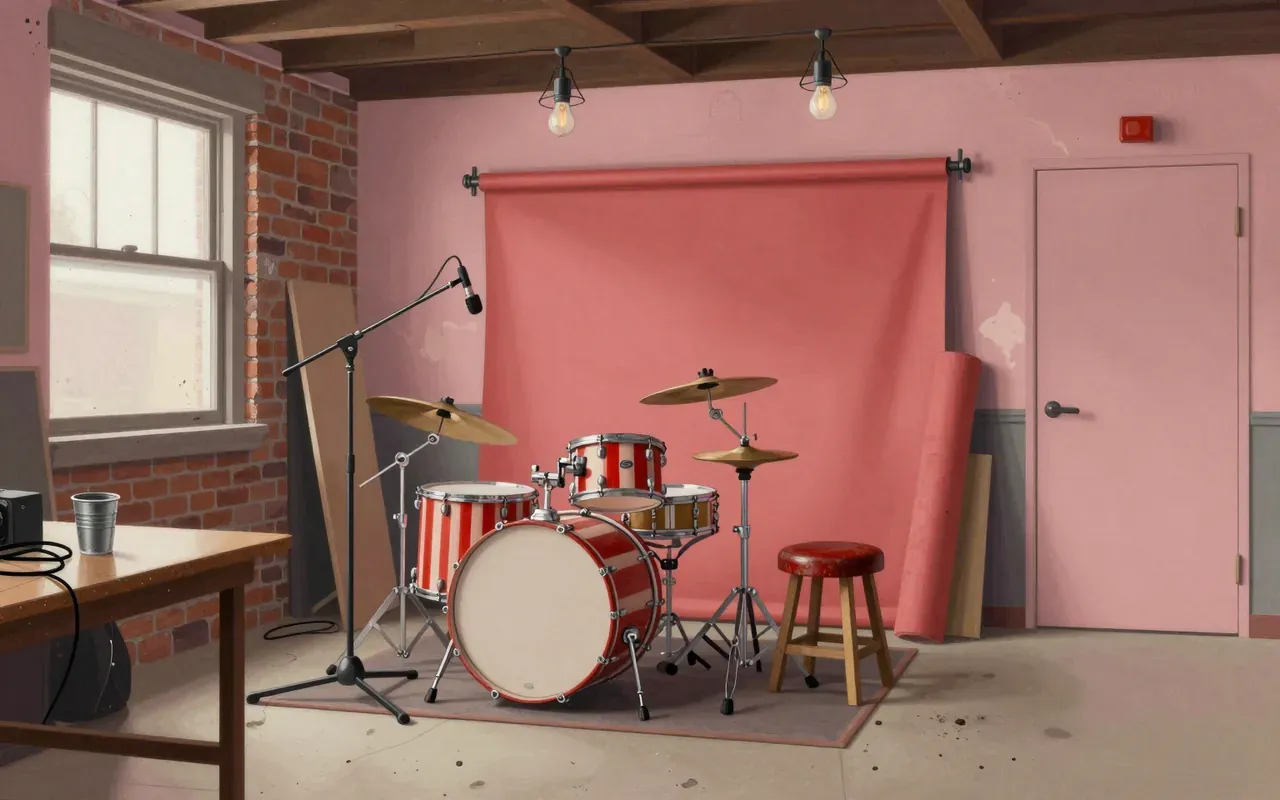
The personnel include drums and percussion, woodwinds, strings, Chamberlin and Wurlitzer. That range matters because the central performance does not have to carry every change of mood alone. Apple can make a vocal line insistent or exposed while the arrangement supplies another perspective.
The record’s complexity is tied to expression. Its shifts in vocal delivery and instrumental scale give uncertainty something audible to do; the arrangements need not settle on a single emotional register just because the speaker has made a declaration.
What lands
“Fast as You Can,” “Limp” and “Paper Bag” provide a useful way into the album’s competing impulses. Even the titles suggest urgency, resistance and the gap between an imagined possibility and an ordinary object. Their place together makes more sense than treating each as a separate confession.
The strongest aspect is Apple’s willingness to let intelligence coexist with confusion. Understanding a problem does not automatically confer the power to solve it.
What does not
The constant scrutiny can become exhausting. A listener who wants a song to arrive at a clear emotional resolution may find the accumulated reversals claustrophobic. There is also a temptation to turn the record into a biographical puzzle, reducing its musical decisions to clues about particular relationships. That approach makes the songs smaller.
The ideas inside it
Self-awareness is useful here, but it is no cure. The album keeps returning to the distance between knowing what is happening and choosing differently. Its elaborate title asserts control; the songs make a more difficult proposition about how control actually feels.
Who should hear it, and who should not
Hear it for voice, piano and arrangements that support complicated states of mind. It will be less welcoming if your preferred singer-songwriter record offers direct statements followed by uncomplicated release.
Is it worth your time
Yes. Give the album enough attention to follow the changes in delivery as well as the words. The interest lies in how a thought is performed, reconsidered and made harder to dismiss.