What the record is and where it came from
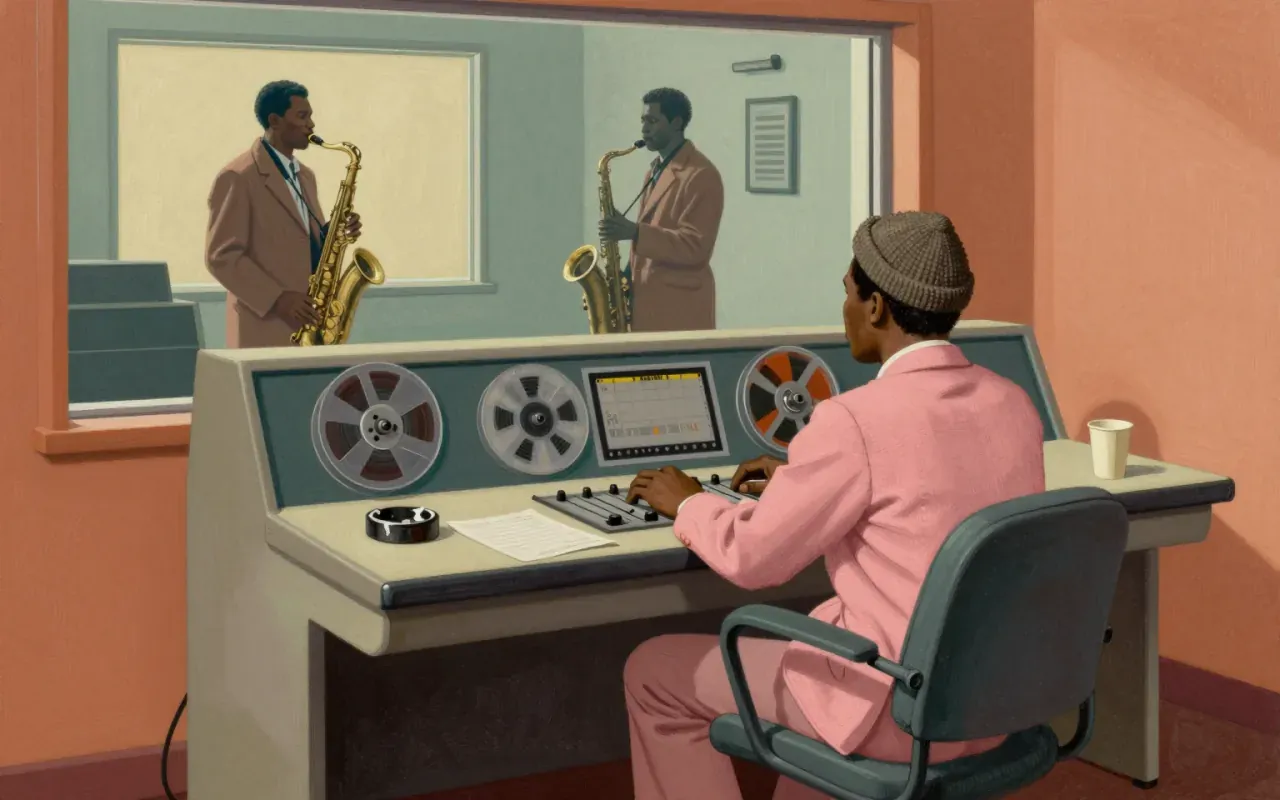
Winter in America was recorded in Maryland in 1973 and released by Strata-East in 1974. The joint billing matters: Gil Scott-Heron and Brian Jackson produced a record whose writing and musical settings depend on their partnership. It was their only album for the label.
How it sounds, and how it was made
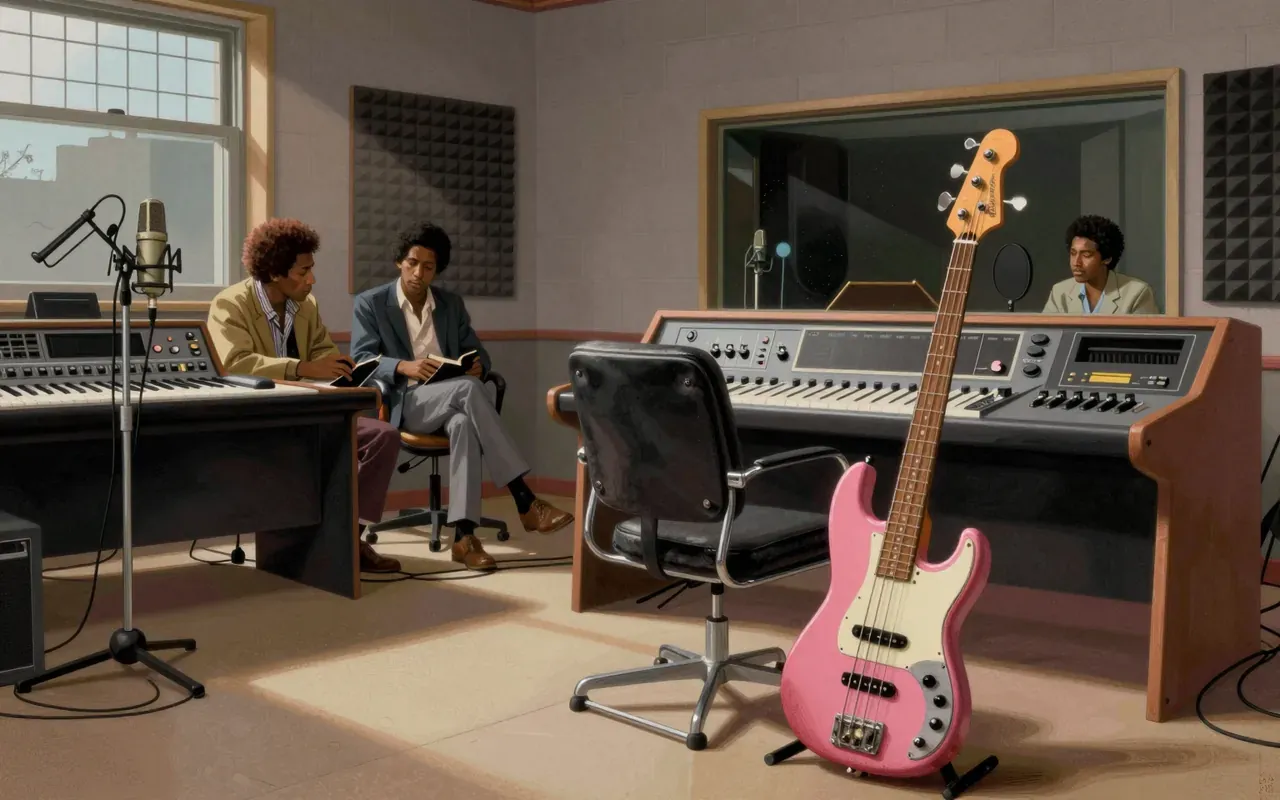
Acoustic and electric pianos, Jackson’s flute, Danny Bowens’ bass and Bob Adams’ drums create a relatively spare setting. Jazz and blues inform the keyboard arrangements. The small group lets the words remain intelligible while giving the accompaniment a distinct expressive role.
What lands
“The Bottle” provides an accessible entrance, but the album’s value is broader than one successful song. The social perspective gains from an arrangement that can invite attention without overwhelming the singer. Jackson’s contribution helps the material function as music rather than only as a statement.
What does not
The restrained programme may feel too subdued to listeners expecting constant rhetorical force. Its historical concerns also reward more attention than casual playback supplies. Approaching every song as a direct political lesson can flatten the partnership’s musical and emotional range.
The ideas inside it
Public observation and musical intimacy can support one another. The record makes social conditions audible through a small ensemble, giving the listener room to attend to the voice without isolating it from the surrounding musicians.
Who should hear it, and who should not
Hear it if songwriting, social attention and keyboard-led arrangement all matter to you. It is less suitable when you want a continuous spoken manifesto.
Is it worth your time
Yes. Give Jackson’s piano and flute the same attention as Scott-Heron’s words; the joint credit describes the work.