What the record is and where it came from
A 1963 album of newly recorded Christmas standards by various artists — including Darlene Love, The Ronettes, and Bob B. Soxx & the Blue Jeans — conceived and produced by Phil Spector as a single artistic statement, not a compilation.
How it sounds, and how it was made
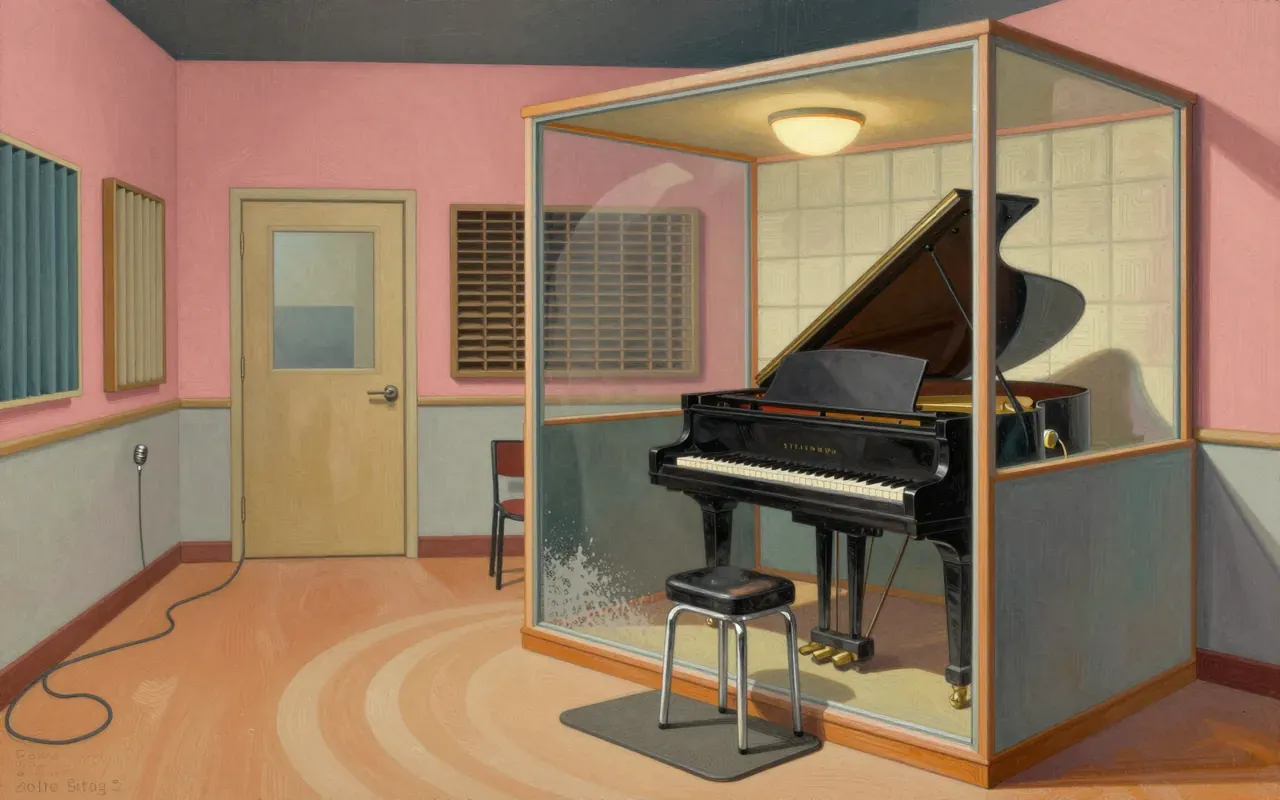
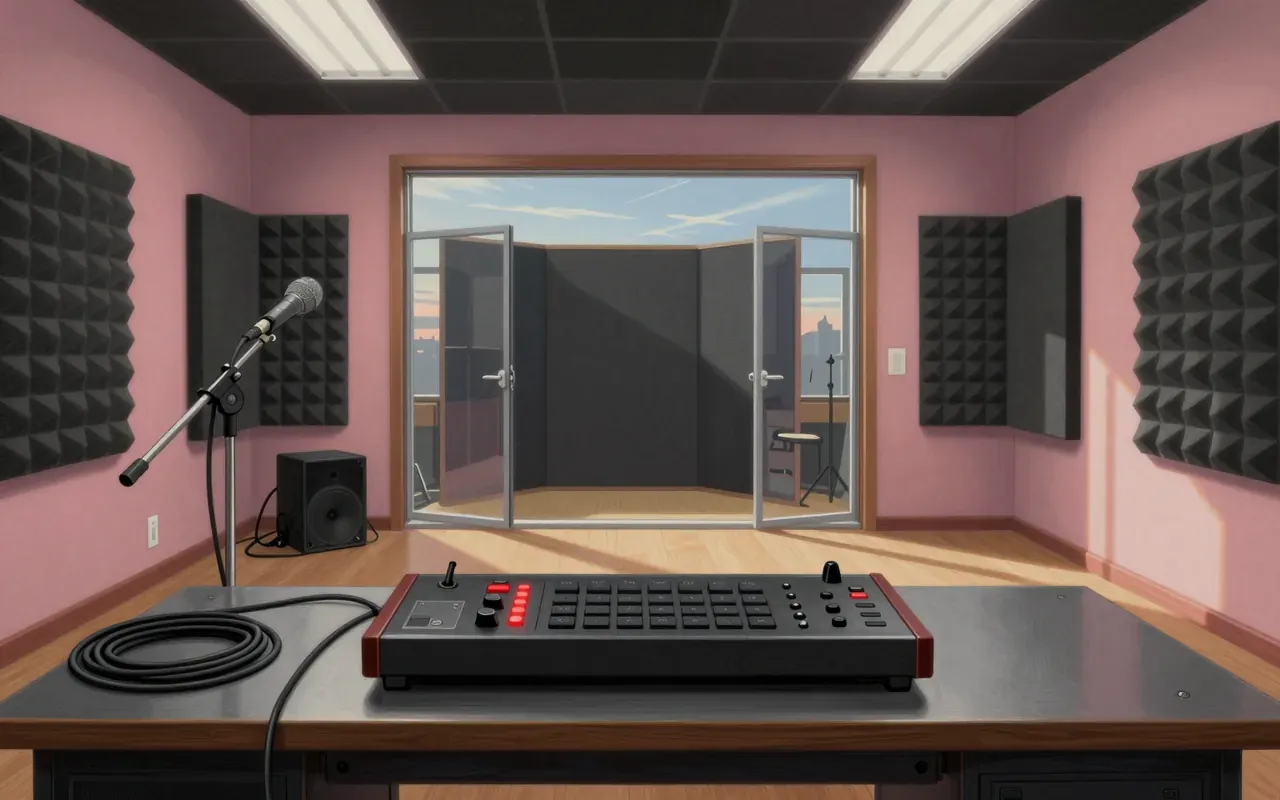
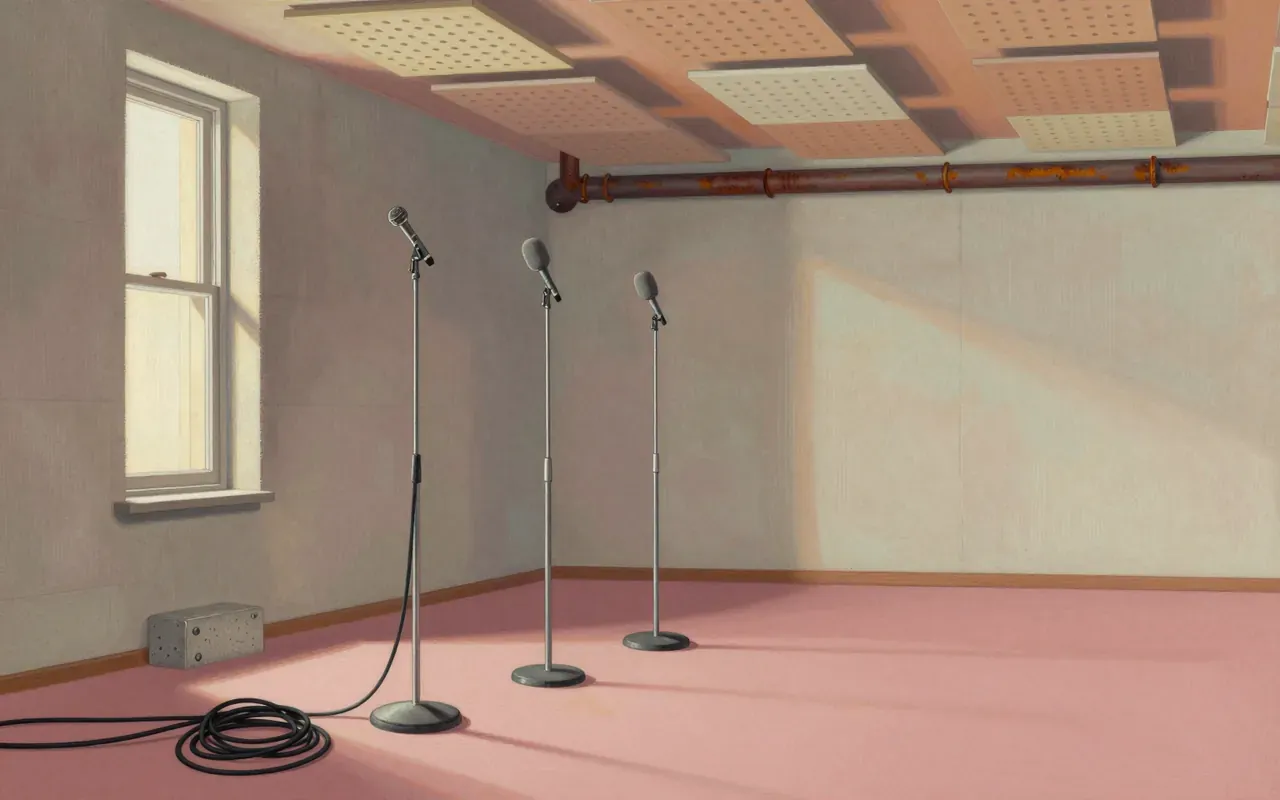
It sounds like a single, tightly controlled studio event: all tracks share the same dense, close-miked wall of sound — strings, horns, timpani, sleigh bells, and full choir — recorded in Gold Star Studios’ echo chamber. No source confirms instruments, mics, or room treatment beyond that it was Phil Spector’s production and used his signature technique.
What lands
Darlene Love’s ‘Christmas (Baby Please Come Home)’ lands hardest — voice front-and-centre, urgent, unblinking. The brass stabs, tambourine hits, and choir swells lock into her phrasing like a mechanism. It is the only track where the production serves a specific emotional demand rather than a general mood.
What does not
It does not offer vocal idiosyncrasy, instrumental soloing, or dynamic contrast. It does not leave room for silence, breath, or individual interpretation. Nothing recedes; everything pushes forward.
The ideas inside it
It treats Christmas songs as raw material for studio authorship — not tradition, nostalgia, or reverence. The idea is control: one producer, one room, one aesthetic, applied uniformly across thirteen familiar tunes.
Who should hear it, and who should not
Producers, arrangers, and anyone studying how studio craft can override repertoire. Not casual listeners seeking warmth, variety, or seasonal ease.
Is it worth your time
Yes, if you want to hear how a 1963 pop Christmas record sounds when treated as a unified sonic object — not a playlist of standards. No, if you expect variation, intimacy, or space between voices and instruments.