What the record is and where it came from
FutureSex/LoveSounds is Justin Timberlake’s second studio album, conceived after a three-year hiatus, developed at Timbaland’s Thomas Crown Studios in Virginia Beach, and produced by Timbaland, Danja, will.i.am, Rick Rubin, and Timberlake himself.
How it sounds, and how it was made
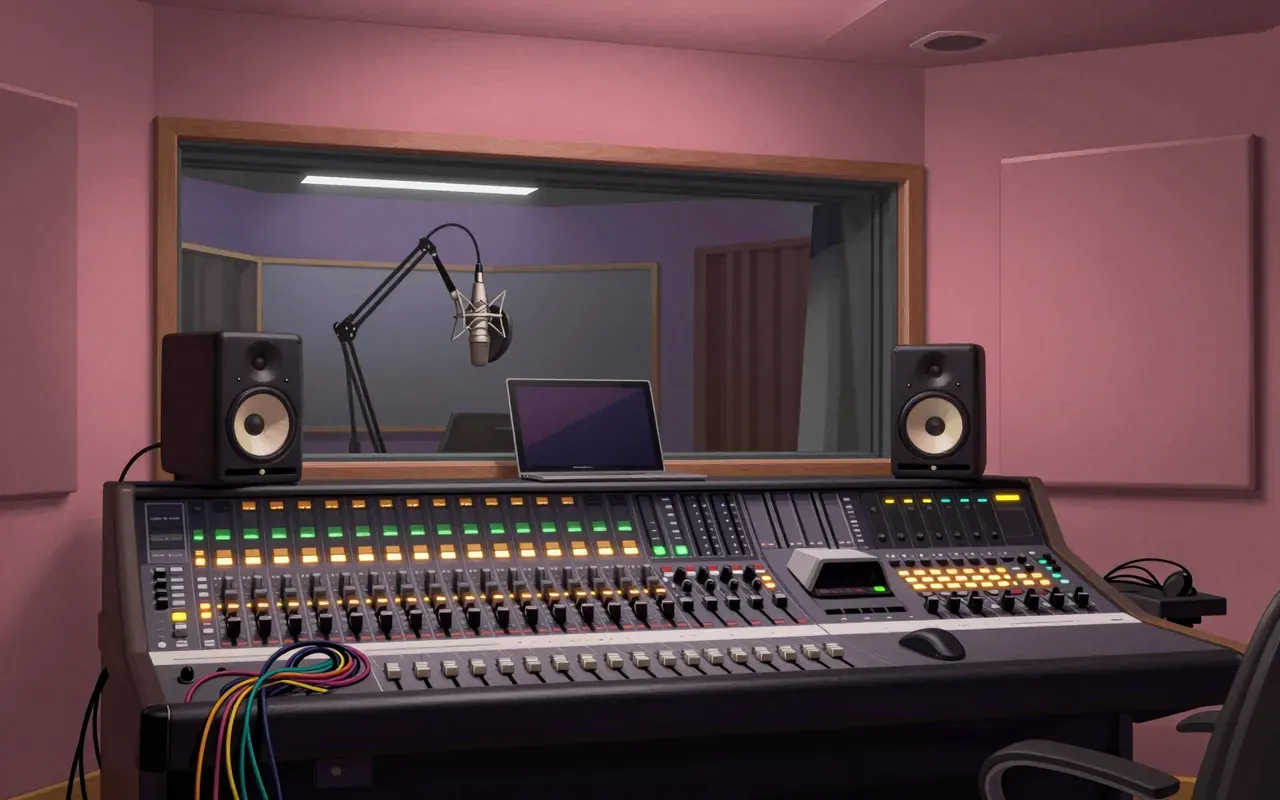
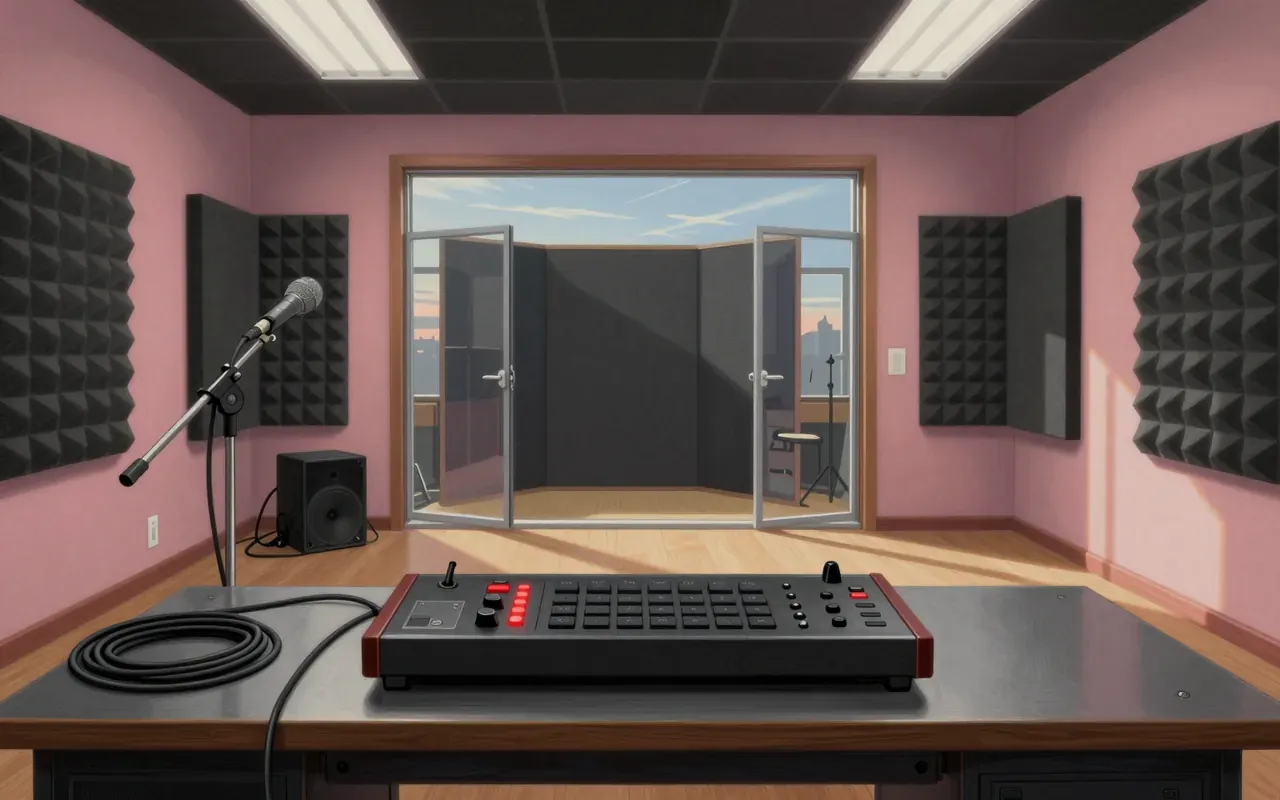
It sounds like a studio in Virginia Beach—Timbaland’s Thomas Crown Studios—with Prince playing on the stereo, Danja’s guitar riff triggering a vocal take within an hour, and no lyrics written down. It was made in free-flowing sessions beginning December 2005, with Timbaland and Danja, no game plan, no title, just ‘Cry Me a River’ as reference and Timberlake’s instruction: ‘go far left and just see what happens’. Ten days yielded eight to ten fully realised songs.
What lands
‘SexyBack’ lands: its stuttering beat, clipped vocal delivery, and stripped-down aggression define the album’s pivot from R&B polish to rhythmic confrontation. ‘What Goes Around… Comes Around’ lands: guitar riff, live-sung lyrics, immediate drum track—all captured in one hour. ‘My Love’ lands: layered harmonies, synth bass pulse, and the illusion of intimacy built from studio precision.
What does not
It does not sustain its own density. The interludes bleed into each other. ‘Chop Me Up’ and ‘Damn Girl’ arrive without tonal reset. The room feels saturated—no silence, no breath, no instrumental clarity beyond drum machines, synths, and processed vocals.
The ideas inside it
Sexiness as an adult aesthetic. Spontaneity as method. Rock (Bowie, Prince), trance, and hip-hop as source material—not genre exercises, but textures to be bent, layered, and collapsed.
Who should hear it, and who should not
Producers who work in rooms with drum machines and vocal booths. Listeners who want to hear pop as a real-time studio event—not a finished product, but a documented process. Not listeners who need lyrical consistency, acoustic instrumentation, or structural patience.
Is it worth your time
Yes—if you want to hear how raw, vivid, off-the-cuff studio energy translates into pop structure. Not if you expect coherence, restraint, or space between ideas.