What the record is and where it came from
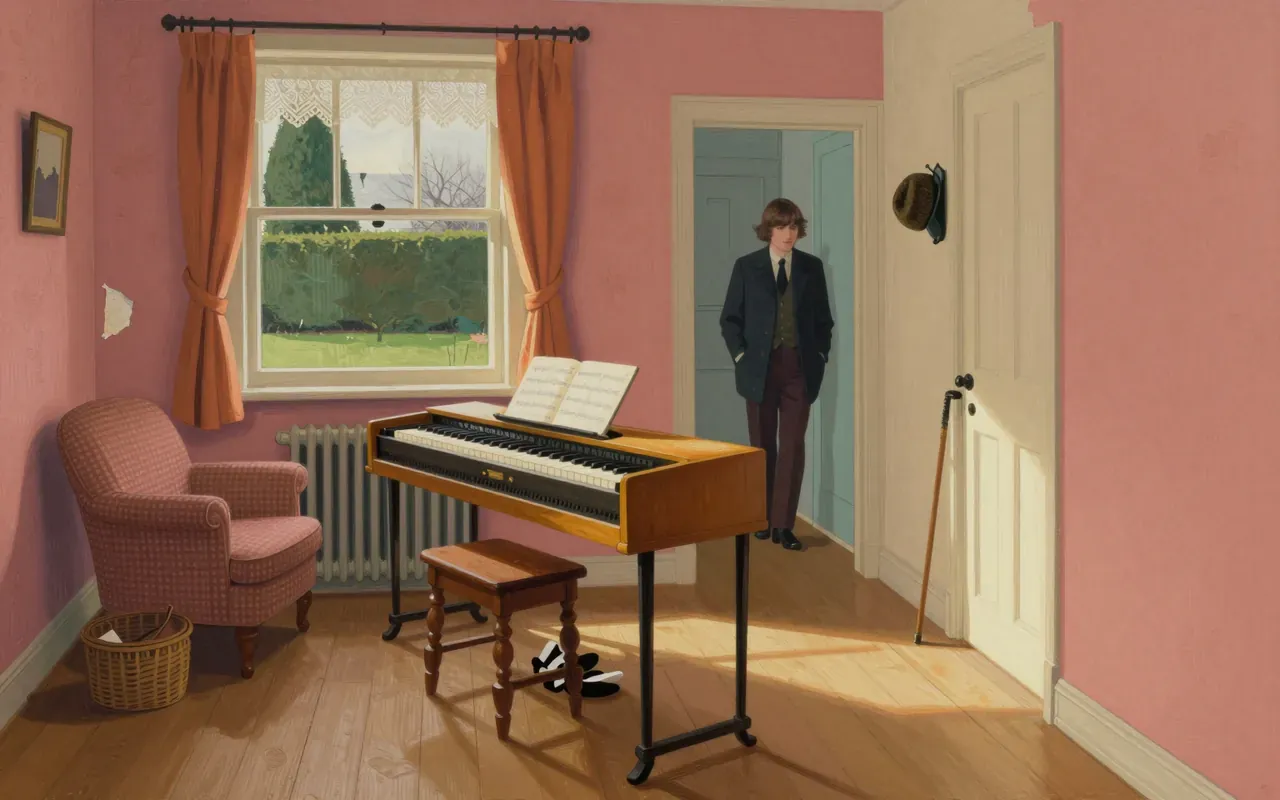
Arthur was developed in 1969 with writer Julian Mitchell for a television play that was never produced. Ray Davies built the songs around Arthur Morgan, a carpet-layer partly based on a family member. The album survived as a musical account of domestic life within a changing national story.
How it sounds, and how it was made
The Kinks’ band sound is expanded by overdubbed strings arranged by Lew Warburton. John Dalton replaces Pete Quaife on bass. The arrangements allow the songs to move between public-scale declarations and the smaller concerns of their central character.
What lands
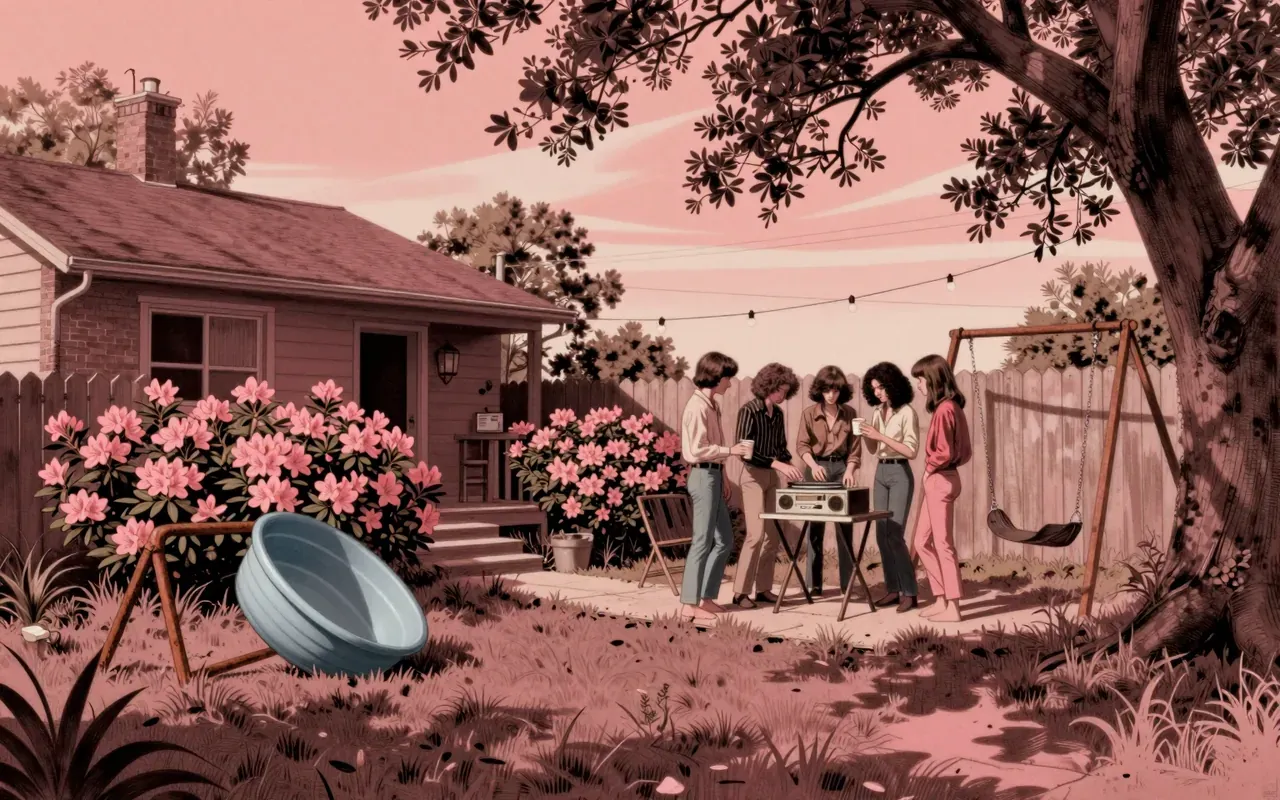
“Victoria” and “Shangri-La” offer different views of what people are encouraged to value. The historical frame becomes more persuasive when attached to a home, a job and expectations about security. Davies’s eye for ordinary aspiration gives the larger title something concrete to describe.
What does not
The missing television production leaves the album carrying a narrative it does not always explain completely. Some listeners may find the social observation more compelling than the dramatic continuity. Its period setting also rewards context that a casual listen may not supply.
The ideas inside it
Large historical changes are experienced through private arrangements. A country’s self-image can persist inside a household even as the conditions supporting it change. The record makes that mismatch a source of sympathy and criticism.
Who should hear it, and who should not
Hear it if character and social detail are reasons you listen to rock songwriting. It is less suited to a demand for either detached singles or a fully explicit dramatic script.
Is it worth your time
Yes. Follow the aspirations in the individual songs; they make the national story intelligible without requiring every plot connection to be resolved.