musicbriefs
Label

Parlophone

7
briefs
11:15
average
79 min
in total
On music.briefs7
9:26

Viva la Vida or Death and All His Friends

Coldplay · 2008

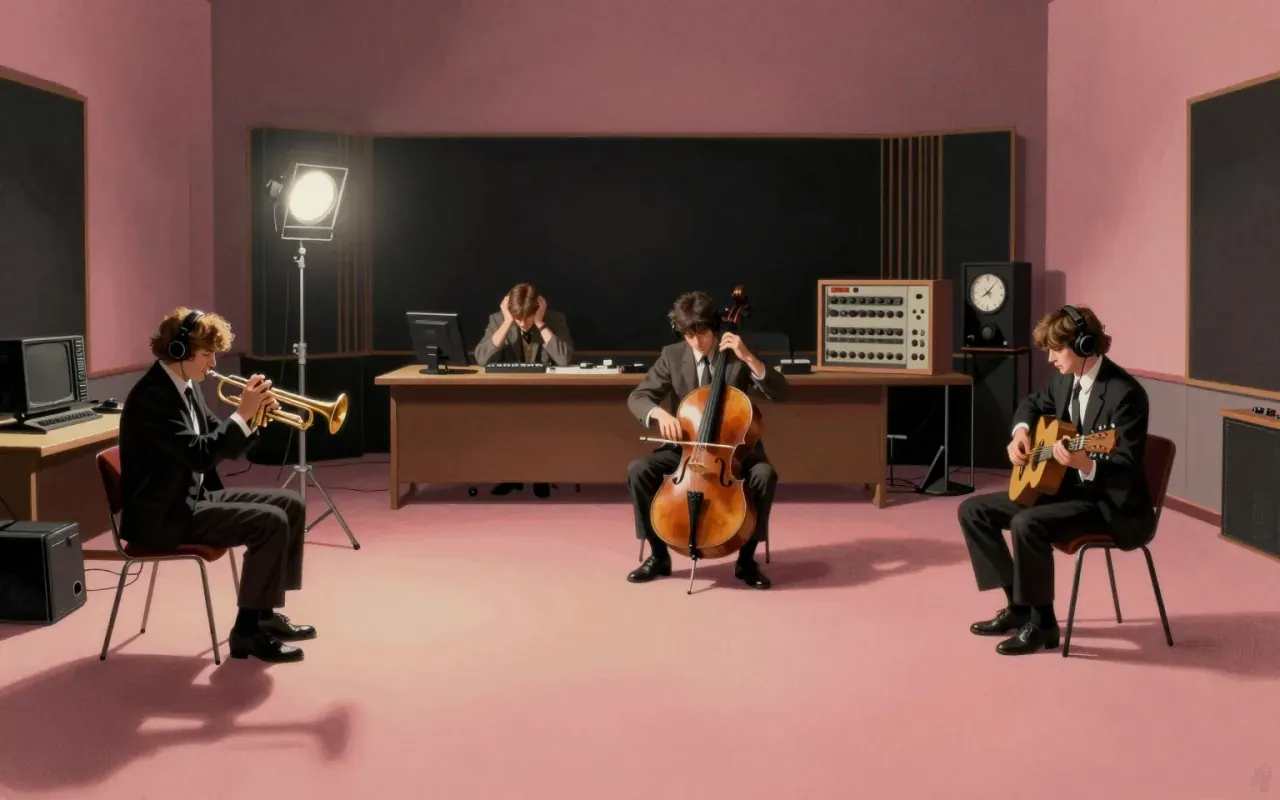
A record built on enforced difference — one studio, four producers, no repeated instruments, no shared vocal register, no returning motif. It trades intimacy for scale, confession for image, consistency for contrast.

10:56

A Rush of Blood to the Head

Coldplay · 2002

A Rush of Blood to the Head is Coldplay’s second studio album, recorded in Liverpool after relocating from London in September 2001. It follows their global success with Parachutes and 'Yellow'. The album was produced by Ken Nelson and features 11 tracks, including 'In My Place', 'Clocks', and 'The Scientist'. It was inspired by urgency, heartbreak, and impulse — themes reflected in both lyrics and musical texture. The recording process was collaborative and focused, with Martin and Buckland developing ideas independently on weekends before presenting them to the full band each Monday. 'Politik' was recorded two days after 9/11; 'Clocks' emerged late in the process from a spontaneous piano riff. The album won the Grammy Award for Best Alternative Music Album in 2003 and Record of the Year for 'Clocks' in 2004. It was certified 12-times platinum in the UK and sold over 17 million copies worldwide.

12:44

Help!

The Beatles · 1965

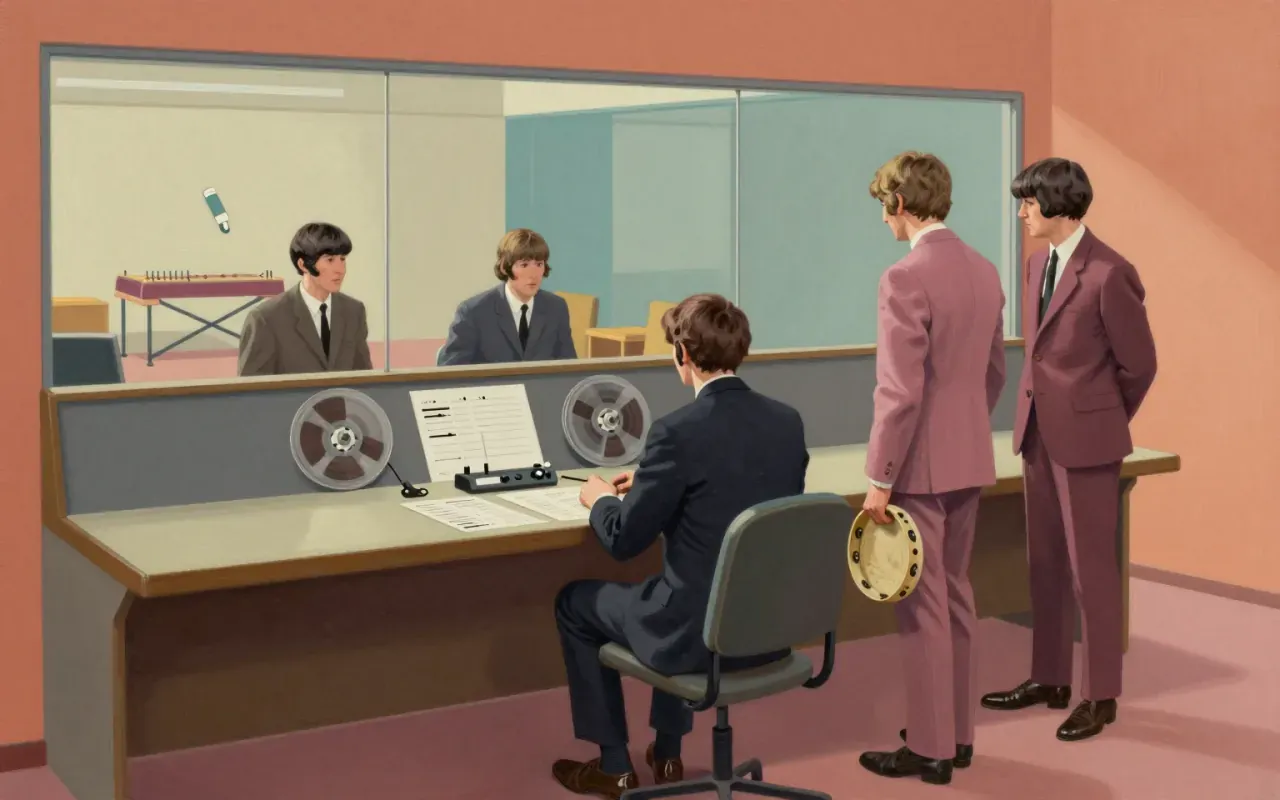
A studio pivot, not a stylistic peak. Lennon leads, McCartney expands. Flutes, strings, tape loops, and overdubs replace live-band urgency. The first Beatles record where the studio is the co-writer.

10:24

OK Computer

Radiohead · 1997

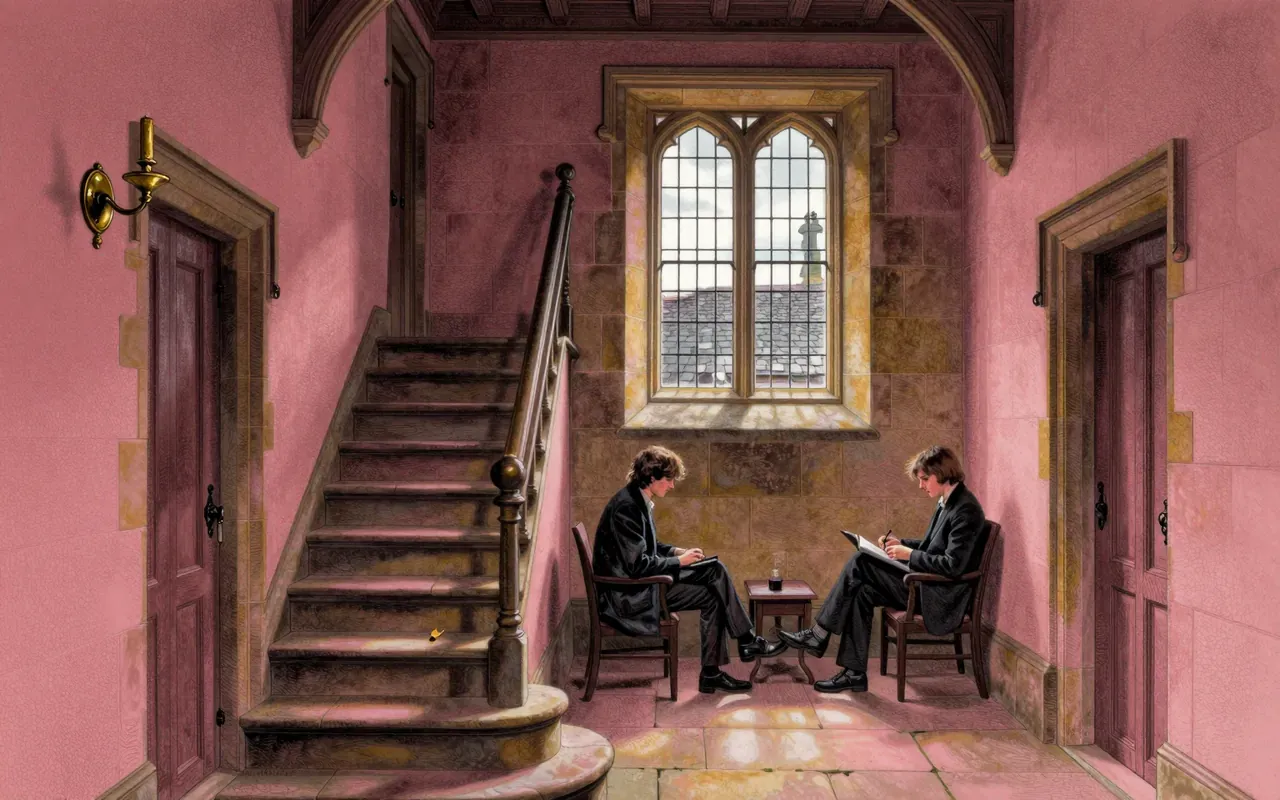
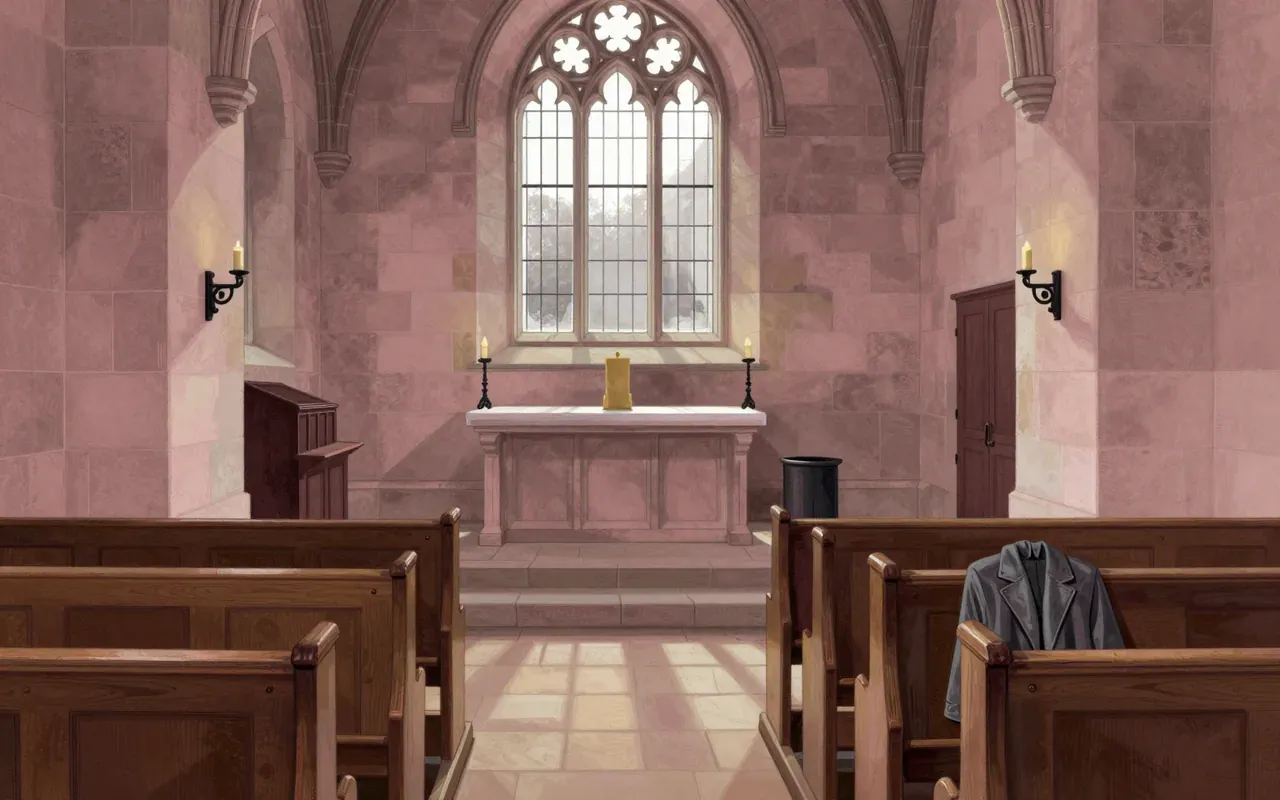
OK Computer is Radiohead’s third studio album, released in May 1997. Most of it was recorded in 1996–1997 at two locations: Canned Applause, a converted apple shed near Didcot, Oxfordshire, and St Catherine’s Court, a 15th-century mansion near Bath owned by Jane Seymour. The band abandoned Canned Applause due to its proximity to home and lack of basic facilities. At St Catherine’s Court, they recorded 80% of the album live, exploiting room acoustics—vocals for 'Exit Music (for a Film)' were captured on a stone staircase; 'Let Down' was tracked in a ballroom at 3 am. Strings were recorded separately at Abbey Road Studios in London. Production avoided artificial reverb and minimised overdubbing. Nigel Godrich co-produced. The album marks a departure from the guitar-centred introspection of The Bends, favouring atmospheric density, thematic abstraction, and collective, room-responsive experimentation. Lyrics shift from personal confession to fragmented, character-based narratives reflecting 'end-of-the-millennium blues'.
9:12

Please Please Me

The Beatles · 1963

Please Please Me is the Beatles’ debut studio album, recorded in a single day on 11 February 1963 at EMI Studios, with overdubs added on 20 February. It captures their live stage repertoire — originals and covers — with minimal production. John Lennon sang 'Twist and Shout' while ill, in one take at 10 pm. The album was conceived as a live broadcast, not a studio construction. It reflects instinctive, derivative songwriting — sound over lyric, ensemble over individuality. It is essential as a document of performance energy, not as a polished record.

13:00

Revolver

The Beatles · 1966

Made in the months after the Beatles stepped back from touring, this seventh album turns Abbey Road into an instrument in its own right — tape loops, a string octet, a sitar-led raga and songs about death, taxes and transcendence sit side by side across a lean thirty-five minutes.

13:00

Spirit of Eden

Talk Talk · 1988

The fourth Talk Talk album, recorded at Wessex Studios through 1987 and 1988 with producer Tim Friese-Greene, turned hours of improvised playing into six songs of near-silence and sudden noise. It flopped commercially and became, over decades, one of the most influential records of its kind.