musicbriefs
Label

Virgin

13
briefs
10:41
average
139 min
in total
On music.briefs13
11:07

Dare

The Human League · 1981

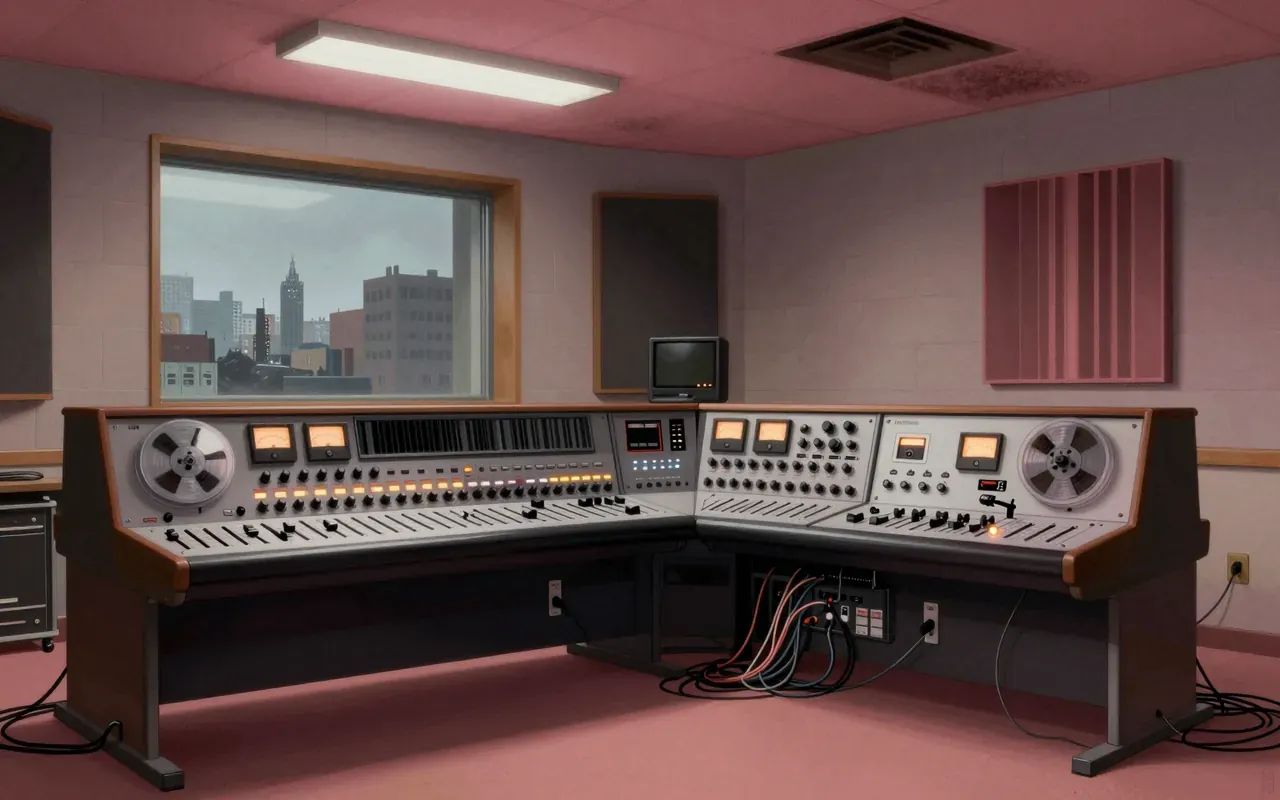
Dare is a methodically engineered synth-pop record, built from Linn LM-1 patterns and charted arrangements at Genetic Sound Studios in Berkshire. It uses a defined suite of early-1980s instruments and rejects avant-garde electronics in favour of emotional calibration. Its success rests on procedural discipline — not inspiration, myth, or unverified context.
8:56

Faust IV

Faust · 1973

Faust IV is the sound of a band choosing collapse over compromise.

11:31

One in a Million

Aaliyah · 1996

One in a Million is a studio-built pivot — not a coming-of-age story, but a contract renegotiation in sound. It replaces continuity with curation, and replaces precedent with permission: to drop producers, to co-write, to define the room’s role, and to treat rhythm as architecture, not backdrop.

8:39

Peter Gabriel

Peter Gabriel · 1977

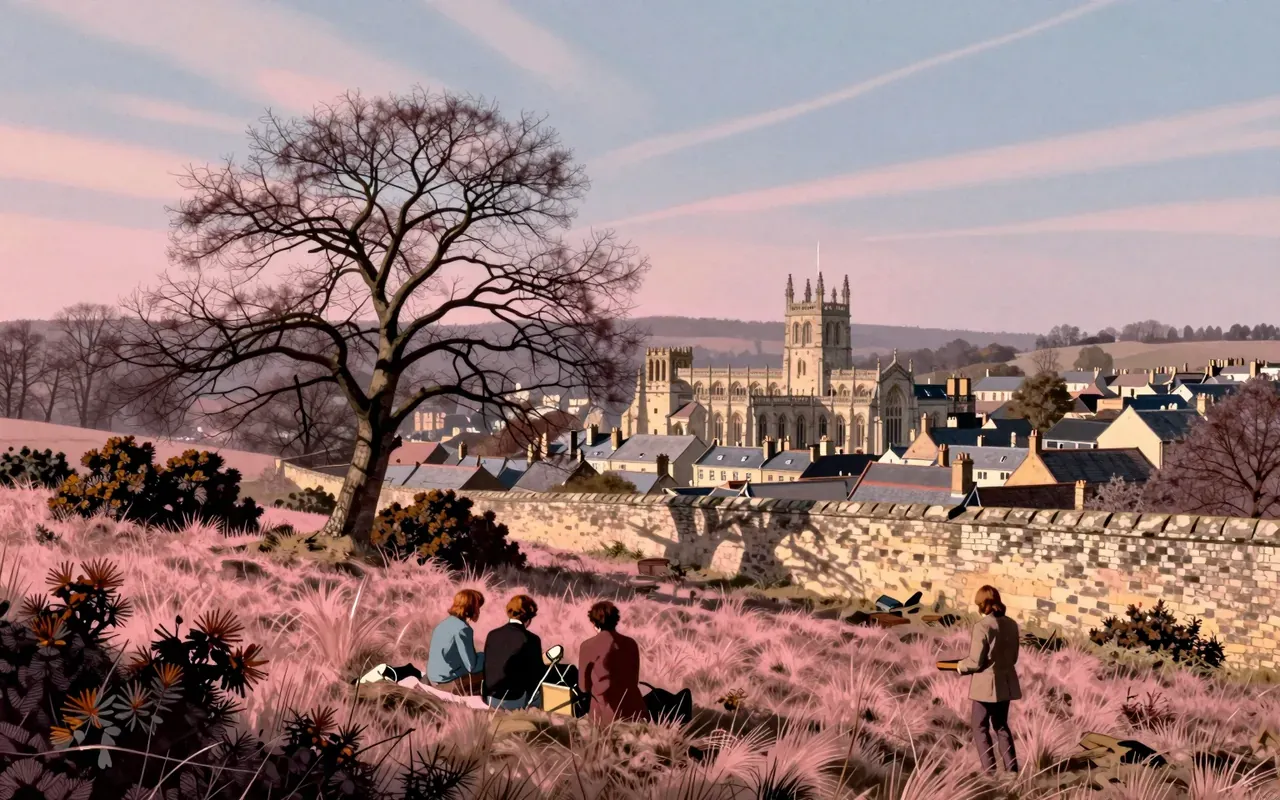
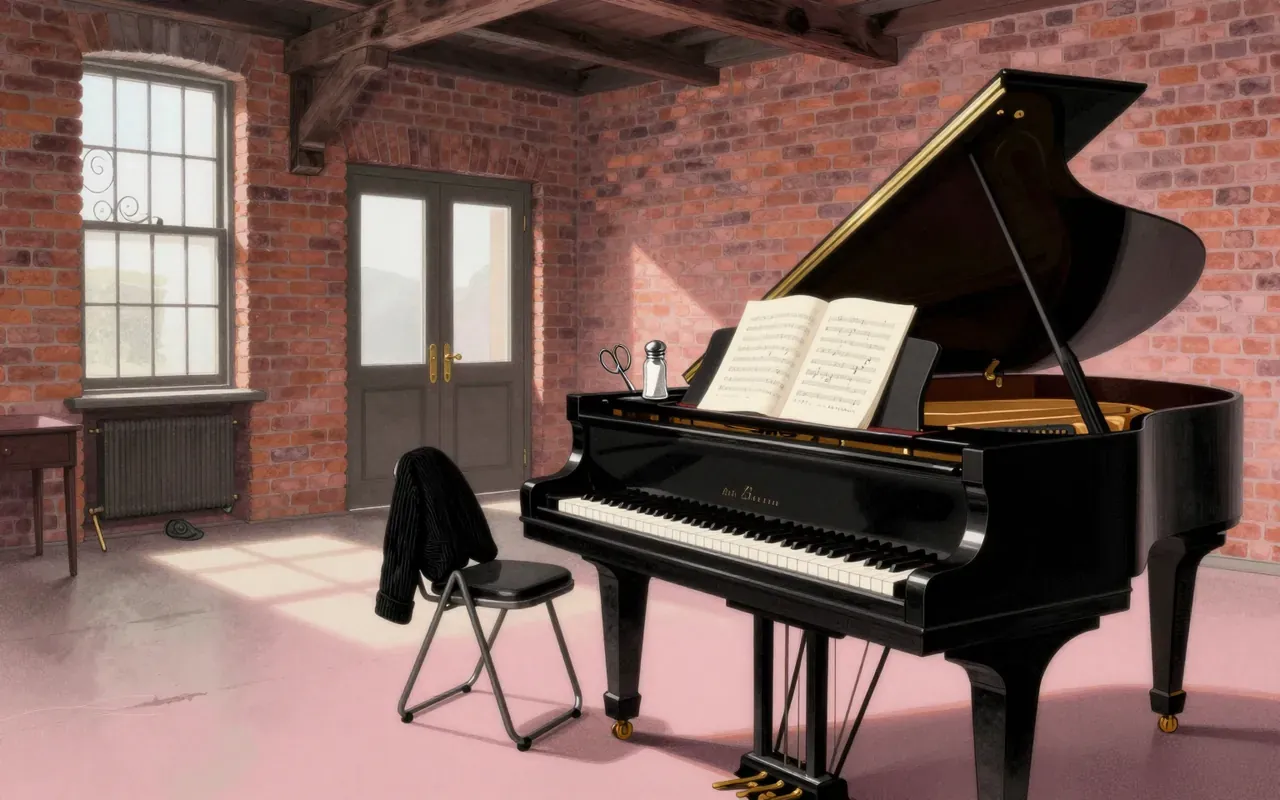
Peter Gabriel’s 1977 solo debut is a document of return—not reinvention. It bears the marks of a learning period: piano lessons, songwriting with Martin Hall, demos cut by end-1975. Recorded in Toronto with Bob Ezrin, it launched a series of four untitled albums, all ‘Peter Gabriel’, all Hipgnosis-designed. ‘Solsbury Hill’ anchors the record in place and autobiography—Solsbury Hill in Somerset. The rest floats, unmoored. No rhythm section dominates. No signature texture emerges. It is not cohesive. It is not polished. It is Gabriel, listening to himself again.

9:34

Mellon Collie and the Infinite Sadness

The Smashing Pumpkins · 1995

Mellon Collie and the Infinite Sadness is a 1995 double album by The Smashing Pumpkins. It contains 28 songs spanning over two hours. It was recorded with producers Flood and Alan Moulder, abandoning longtime producer Butch Vig. The band recorded first in a rehearsal space, used two rooms simultaneously, and employed Pro Tools for overdubs. All guitars were tuned down a half-step. The album was conceived as a double album from the outset, partly inspired by the Beatles' self-titled album. Corgan described it as 'The Wall for Generation X'. The songs were intended to symbolise the cycle of life and death. Time magazine praised it as 'the group's most ambitious and accomplished work yet'. It debuted at number one on the Billboard 200 in October 1995.

10:11

Rock Bottom

Robert Wyatt · 1974

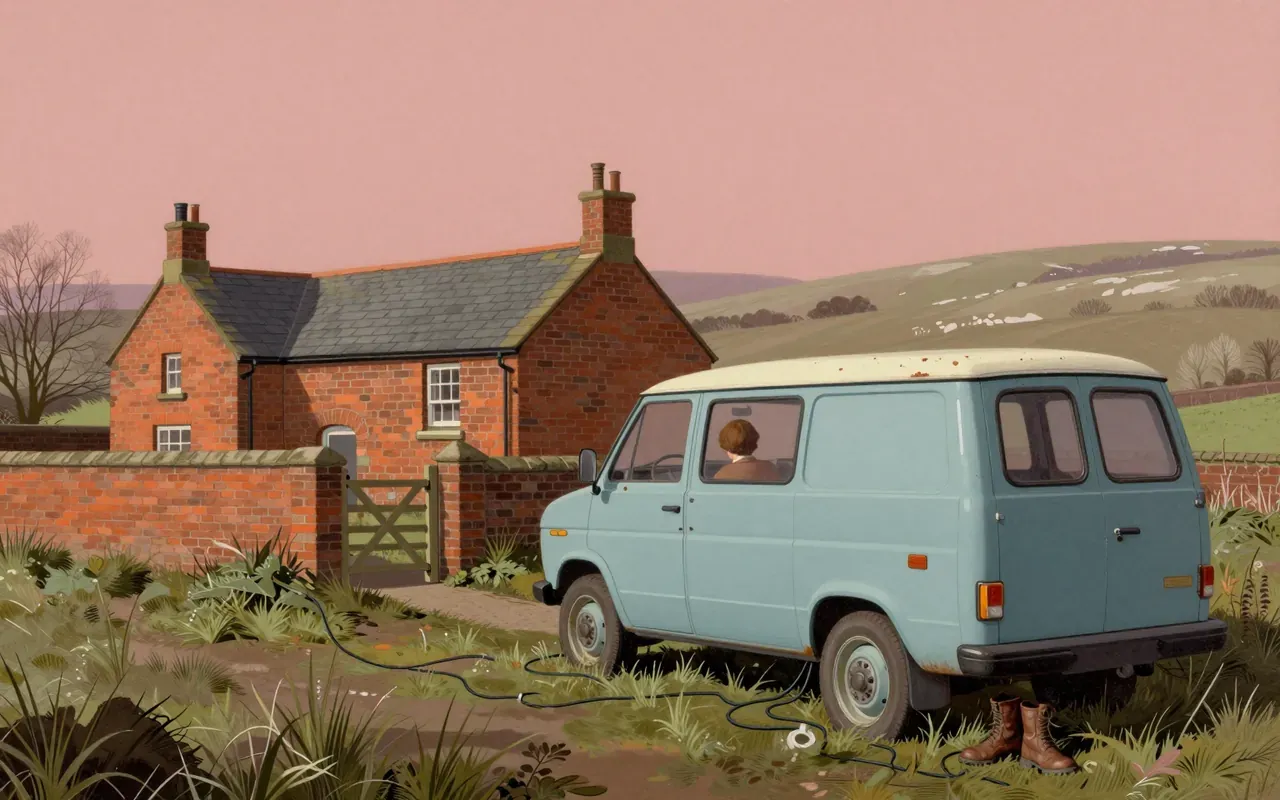
Rock Bottom is Robert Wyatt’s 1974 solo debut, produced by Nick Mason and recorded across three locations: a non-soundproofed van in a Wiltshire field, The Manor Studio, and CBS Studios in London. It combines jazz looseness, instrumentation, and improvisation with rock/folk song forms — an 'upside down' fusion designed to avoid the 'noodling' Wyatt associated with existing jazz-rock. Wyatt performed on vocals, keyboards, percussion, slide guitar, James’ drum, Delfina’s wineglass, Delfina’s tray, and a small battery. Much was composed pre-accident in Venice; arrangements and lyrics were reworked during convalescence. Collaborators included Mike Oldfield, Ivor Cutler, and Fred Frith. The album received mostly positive reviews.

10:36

Siamese Dream

Smashing Pumpkins · 1993

Siamese Dream is the Smashing Pumpkins’ 1993 album, recorded December 1992 to March 1993 at Triclops Studios in Marietta, Georgia. It was made under duress: Jimmy Chamberlin’s heroin addiction led to multi-day disappearances; Billy Corgan’s depression deepened to suicidal ideation; band members withdrew physically and emotionally; Corgan overdubbed most guitar and bass parts himself for efficiency; Butch Vig co-produced using analog tape; Alan Moulder mixed the final product after Corgan and Vig exhausted themselves. The album contains up to 40 guitar parts in 'Soma', achieved through obsessive layering—not reverb or delay. It ran four months and $250,000 over budget. It peaked at No. 10 on the Billboard 200 and sold over four million copies in the US.

10:55

The Velvet Rope

Janet Jackson · 1997

The Velvet Rope is Janet Jackson’s sixth studio album, released in October 1997. It emerged from her personal struggle with severe depression and anxiety following the Janet World Tour. It was conceived as a deeply personal concept record during a period of emotional crisis — including depression, self-hatred, and trauma recovery.

9:29

Tubular Bells

Mike Oldfield · 1973

Tubular Bells is a self-performed, structurally bifurcated, technically inventive record made by a 19-year-old working alone in a single studio across two distinct sessions — one week in 1971, nights in early 1973.

8:54

Urban Hymns

The Verve · 1997

Urban Hymns is a 1997 rock record made in London with strict studio discipline, then reshaped by Nick McCabe’s return and re-recorded guitar parts. Its biggest hit rests on an uncleared string sample. It landed at UK number 1, displaced Oasis, and dissolved the band within two years.

13:00

Discovery

Daft Punk · 2001

Built at Thomas Bangalter's home studio in Paris over two years, Discovery pairs vintage drum machines and keyboards with heavily processed vocals to turn childhood memory into pop songwriting. It moved the duo from raw club tracks toward a more song-based sound and remains a high point for vocoder-driven dance music.

13:00

Mezzanine

Massive Attack · 1998

Built around post-punk and industrial reference points that unsettled at least one founding member, Mezzanine pushes Massive Attack's sample-based sound into darker, bass-heavy territory, pairing guest vocalists Elizabeth Fraser and Horace Andy with a production process tense enough to end Andrew Vowles's time in the group.

13:00

Never Mind the Bollocks Here’s the Sex Pistols

Sex Pistols · 1977

Never Mind the Bollocks Here's the Sex Pistols is the only studio album by the Sex Pistols, recorded piecemeal at Wessex Sound Studios in London between 1976 and 1977 with producers Chris Thomas and Bill Price, and released by Virgin in October 1977. Glen Matlock wrote much of the material before quitting, Sid Vicious replaced him but barely played on the record, and guitarist Steve Jones ended up covering most of the bass parts himself. Retailers refused to stock it and some charts wouldn't print its title, yet it still went to number one.