Back to Black is Amy Winehouse’s second studio album, released in 2006. It was inspired by 1960s girl groups and soul music, recorded with producers Salaam Remi and Mark Ronson, and backed in the studio by Sharon Jones’s band the Dap-Kings. The 11-track album was completed in five months, with production credits split between Remi and Ronson. Winehouse engaged directly in the process—giving blunt feedback and refining her performances meticulously, even testing vocal takes in her father’s taxi to gauge how they would sound to most listeners. The album’s lead single, 'Rehab', was produced by Ronson and became a global hit, praised for its originality and soul-referencing production without imitation. The record achieved massive critical and commercial success, winning five Grammy Awards in 2008—including Record of the Year and Song of the Year for 'Rehab'—and was later preserved in the US National Recording Registry in 2025. Its legacy endures as one of the best-selling and most influential albums of the 21st century, noted for its authentic fusion of retro soul aesthetics and deeply personal songwriting. The making of the record reflects Winehouse’s artistic control, collaborative precision, and stylistic clarity—grounded in genre homage but executed with singular vocal and lyrical authority. It stands as a definitive artifact of her artistry, distinct from the turbulence that later overshadowed her public life. The album’s enduring cultural weight is affirmed by its inclusion in major institutional archives and critical lists, underscoring its significance beyond sales or celebrity narrative. Its creation remains anchored in deliberate musical choices: the selection of vintage-inspired arrangements, the integration of live soul instrumentation, and the tight, focused studio collaboration that shaped its unmistakable sound. This coherence—between influence, execution, and voice—makes Back to Black not just a milestone in Winehouse’s career but a landmark in modern popular music production. Its preservation and continued reappraisal signal its status as a canonical work whose formal and emotional integrity withstands time and context. The record’s power lies in its synthesis: the discipline of craft meeting raw autobiographical expression, all wrapped in a sonic world both nostalgic and urgently new. That duality—of studied reference and unfiltered presence—is what gives Back to Black its lasting resonance and distinguishes it within the broader landscape of 2000s pop and soul revivalism. It is less a pastiche than a reclamation—of sound, of agency, of voice—and its making reveals Winehouse not as a passive inheritor of tradition but as an active, exacting architect of it. The album’s cohesion, from songwriting to arrangement to vocal delivery, testifies to a rare convergence of vision, skill, and environment—one that cannot be replicated, only revered. In this light, Back to Black is not merely a record but a statement: about what soul means when filtered through contemporary consciousness, and how authenticity is forged—not found—in the studio, in the writing room, and in the quiet, repeated act of listening back, again and again, until it feels true. Its endurance is not accidental; it is earned, note by note, decision by decision, in the space where influence meets intention. And that space—where Winehouse stood, microphone in hand, Dap-Kings behind her, Ronson and Remi at the boards—is where the record lives, unbroken and undeniable. It remains, above all, a testament to the possibility of making something timeless in real time—without compromise, without concession, and with absolute fidelity to feeling. That fidelity is its final, unassailable claim on our attention—and on history. So the record does more than document a moment: it defines one. Not through spectacle, but through substance. Not through volume, but through velocity of meaning. Not through trend, but through truth-telling dressed in Motown gloss and London grit. And in that balance—between polish and pulse, between memory and immediacy—lies the reason Back to Black continues to speak, decades later, with undimmed clarity and force. It is, simply, the sound of an artist arriving fully formed—and then going further. Further into herself. Further into the music. Further into the light, even as shadows gathered. And that journey—recorded, mixed, mastered, released—is why the album remains not just important, but essential. Essential to understanding Winehouse. Essential to understanding soul in the 21st century. Essential to understanding what happens when talent, timing, and truth align—and produce something that lasts. That is the record’s quiet, unshakeable achievement. And that is why it endures. Because it was made with care. With courage. With craft. And with a voice that could hold the weight of all three—and still sing.
Film placements are the ones described in each film's own entry, so the list is partial rather than complete.
Worth your time?
Yes. Hear the whole thing.
4.5/ 5
What works
The chorus of 'Rehab', blunt and unflinching.
The tambourine-and-kick pulse of 'Back to Black'.
The Dap-Kings’ horn stabs on 'You Know I’m No Good'.
The Wurlitzer’s hollow chime on 'Love Is a Losing Game'.
What does not
It does not flatter the listener.
It does not offer catharsis on demand.
It does not smooth over Winehouse’s voice with polish—it leaves breath, crack, and fatigue audible.
It does not hide the room, the spill, or the effort.
Hear it if
People who want to hear how a record is built—not just what it says, but how its parts fit and fight.
People who listen for spill, for reverb decay, for where the microphone stops and the room begins.
Not people who want mood without method, or feeling without friction.
Skip it if
People who want mood without method, or feeling without friction.
Who should hear it, and who should skipHide who it is for
The written brief2 min read
What the record is and where it came from
Amy Winehouse’s second studio album, released in 2006. Recorded in two phases: first with Salaam Remi in Miami in 2005, then with Mark Ronson and The Dap-Kings in New York in 2006. Inspired by 1960s girl groups and soul music. Produced entirely by Remi and Ronson, split across eleven tracks completed in five months.
How it sounds, and how it was made
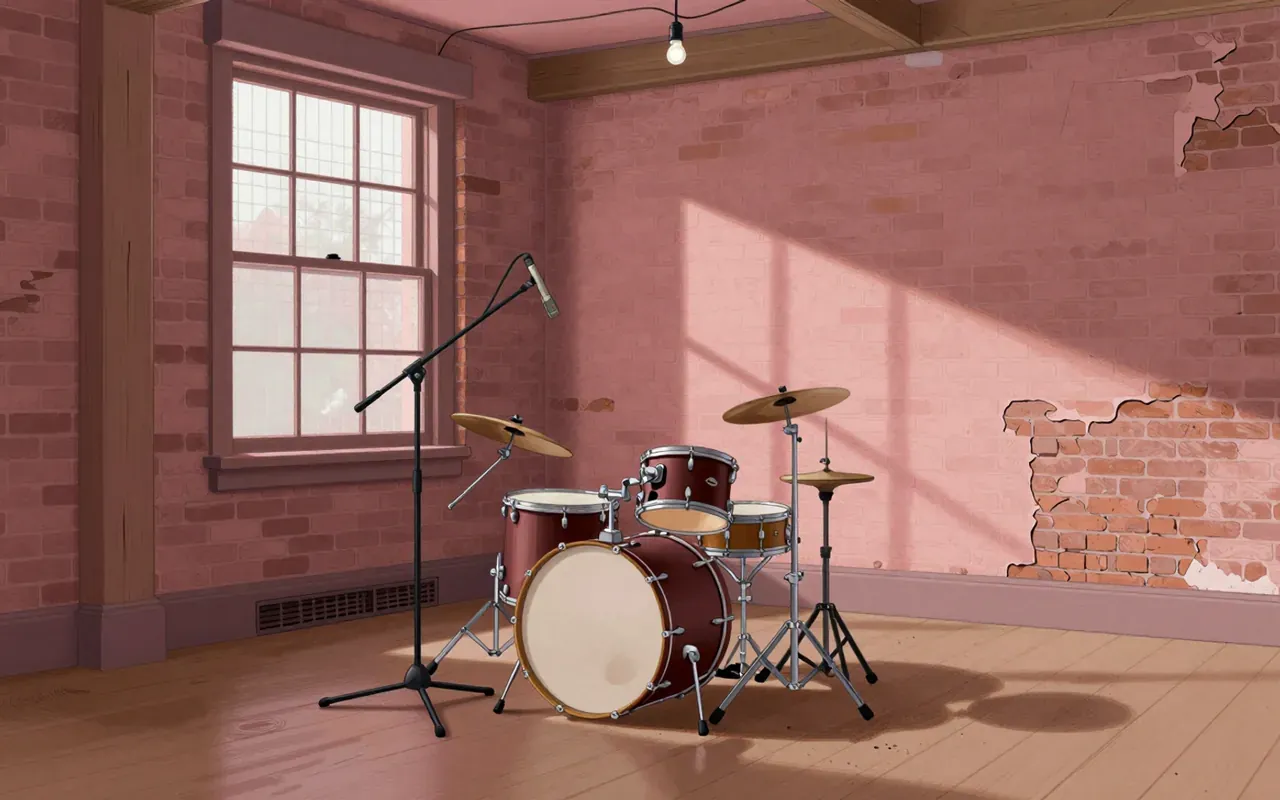
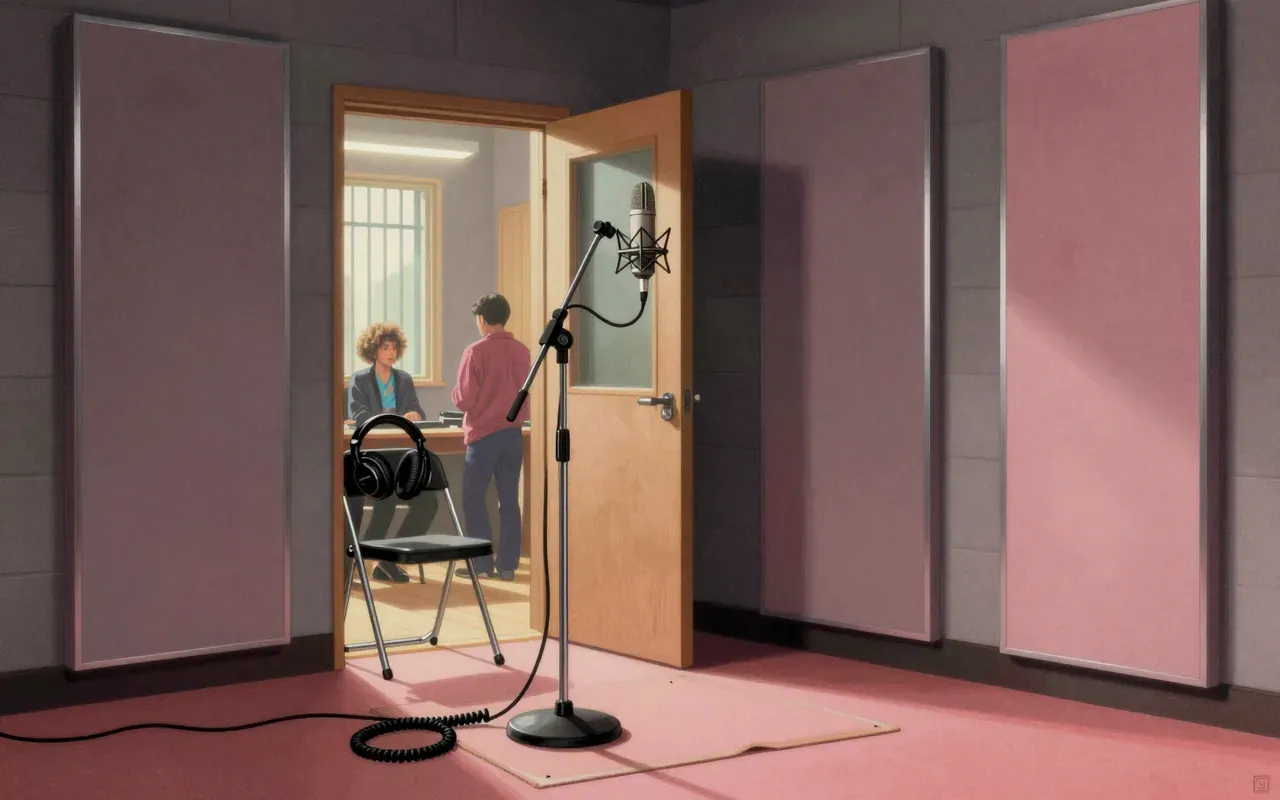
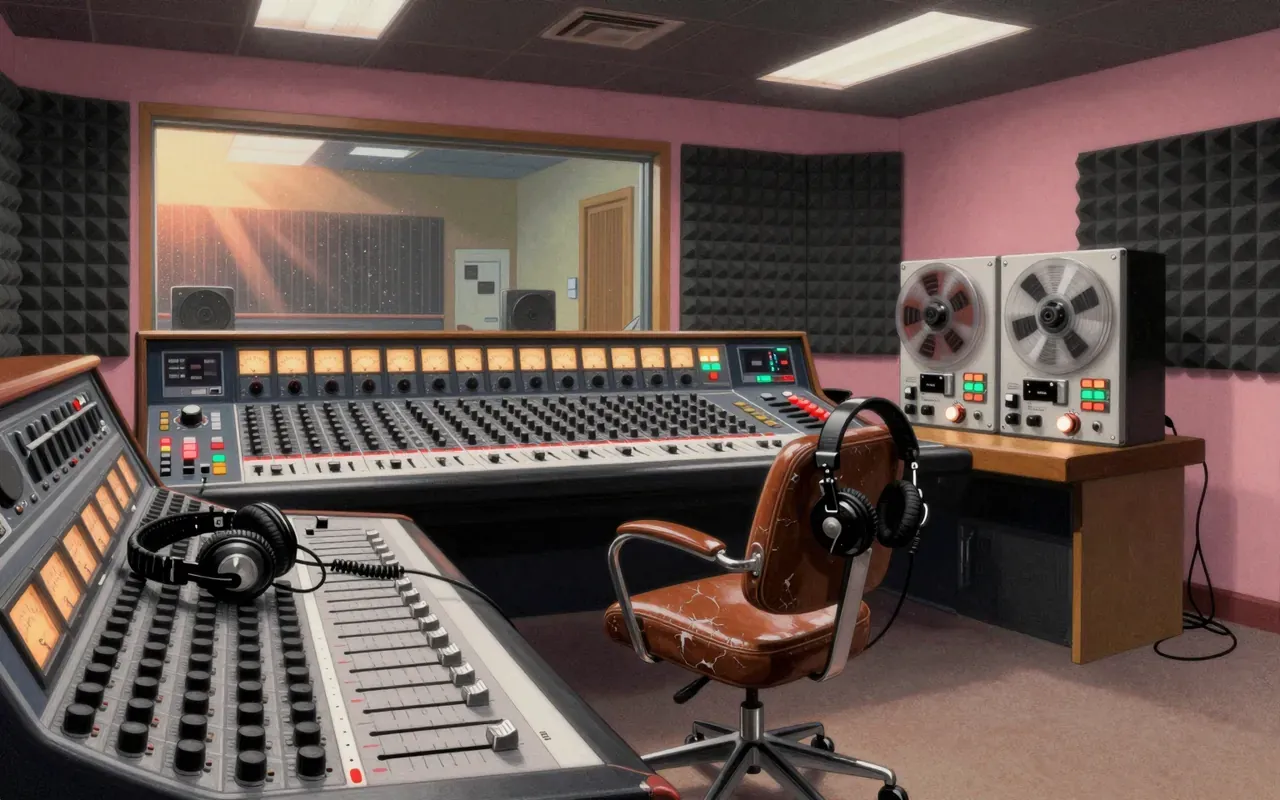
It sounds like a 1960s soul session captured in one room: drums recorded with a single mic, horns bleeding into every track, piano and bass guitars layered live, tambourine and kick drum anchoring ‘Back to Black’ with heavy reverb. Remi’s Miami sessions are intimate—Winehouse singing while playing guitar, him adding piano and bass himself or with Vincent Henry on saxophone, flute and clarinet. Ronson used Wurlitzer electric piano and synthesizers at Allido Studios. Tom Elmhirst mixed at Metropolis from Ronson’s Beatlesque rough mix—drums fully panned to one side.
What lands
The chorus of ‘Rehab’, blunt and unflinching. The tambourine-and-kick pulse of ‘Back to Black’. The Dap-Kings’ horn stabs on ‘You Know I’m No Good’. The Wurlitzer’s hollow chime on ‘Love Is a Losing Game’. The way ‘Tears Dry on Their Own’ floats just above the beat, never quite landing.
What does not
It does not flatter the listener. It does not offer catharsis on demand. It does not smooth over Winehouse’s voice with polish—it leaves breath, crack, and fatigue audible. It does not hide the room, the spill, or the effort.
The ideas inside it
Heartbreak as ritual. Grief as repetition. Agency as refusal—to fix a lyric, to separate instruments, to soften a vocal take. The record treats memory not as clarity but as echo: words loop, chords linger, reverb blurs the line between then and now.
Who should hear it, and who should not
People who want to hear how a record is built—not just what it says, but how its parts fit and fight. People who listen for spill, for reverb decay, for where the microphone stops and the room begins. Not people who want mood without method, or feeling without friction.
Is it worth your time
Yes. It rewards attention to how the sound is built—not as retro pastiche but as deliberate, live-in-the-room craft. Every instrumental spill, every non-rhyming line, every panned drum hit is a choice made and defended. It holds up because it was made with precision, not nostalgia.
Bad isn’t a statement of arrival—it’s a pressure test of digital pop, where every synth patch is a declaration and every hit is meant to land like a punch.