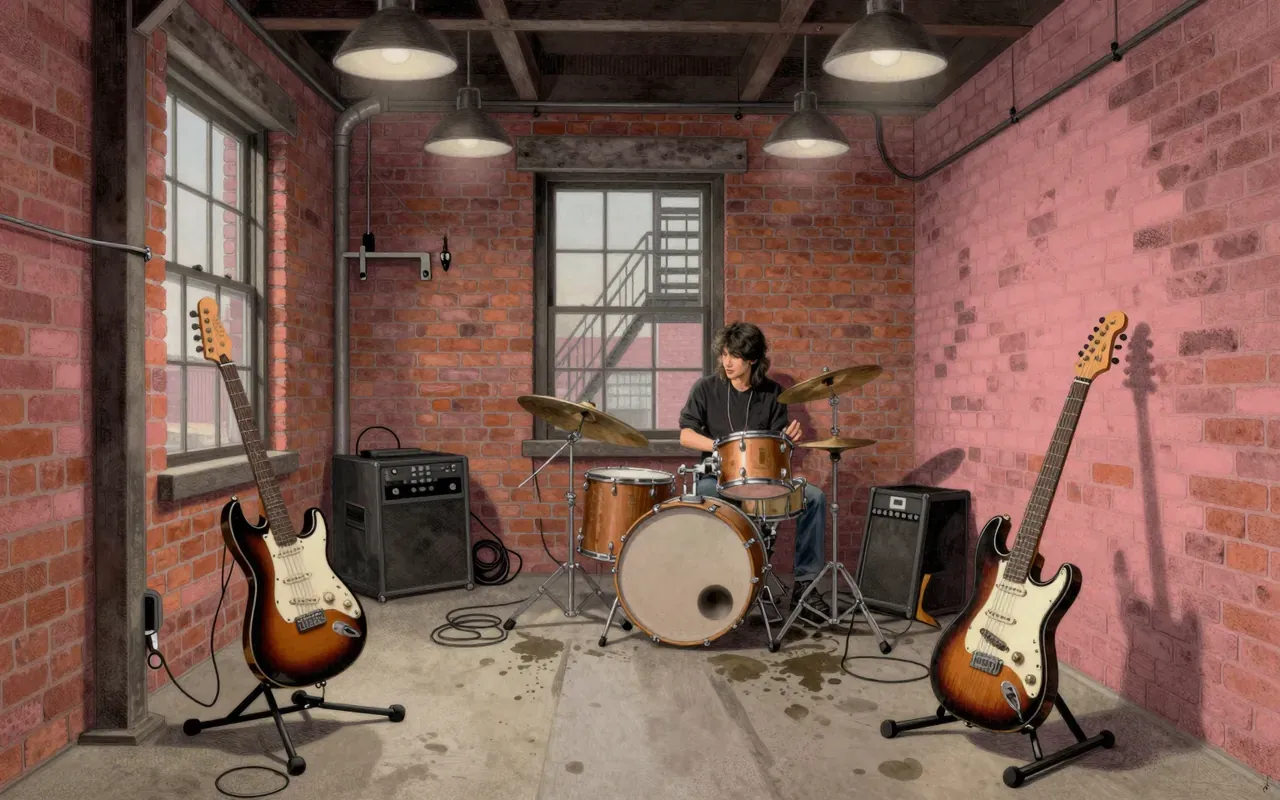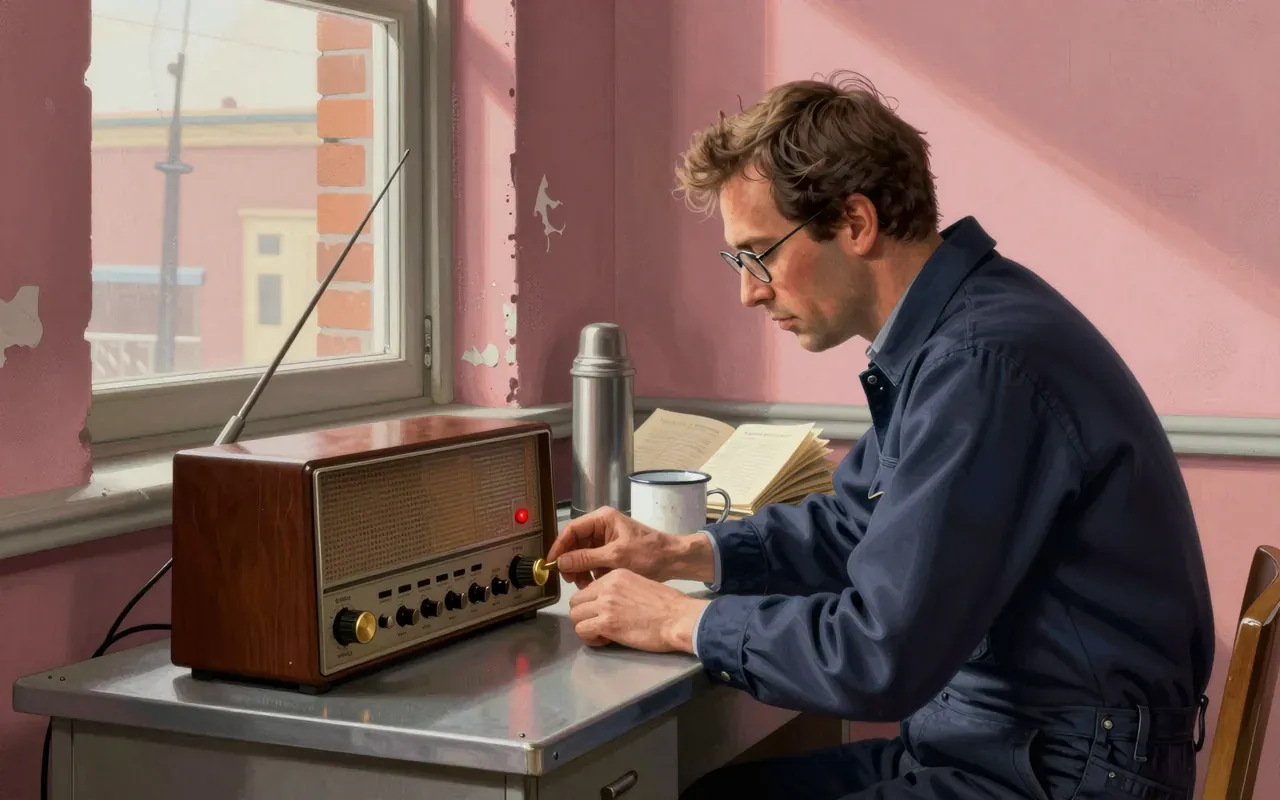
What the record is and where it came from
Brian Eno and David Byrne’s 1981 collaboration was recorded before Remain in Light but delayed by sample-clearance problems. Its title comes from Amos Tutuola’s novel, though the musicians had not read it when choosing the name. The record is a constructed encounter with recorded voices and sounds.
How it sounds, and how it was made
Radio speech, commercial vocal recordings and other found material take roles normally assigned to a lead singer. Electronic techniques and rhythm arrangements give those voices a new musical setting. The recorded person can become the centre of a song without having performed for that song.
What lands
The displacement changes what listeners attend to in speech. Cadence, emphasis and tone can become musical events when placed against a rhythm. Eno and Byrne’s contribution lies in those relationships, making the act of arrangement unusually visible.
What does not
Removing a voice from its original setting raises questions the music cannot simply dissolve. Cultural and religious material can be made to serve purposes its performers did not choose. The adventurous result deserves to be heard alongside those limits rather than treated as innovation without costs.
The ideas inside it
A recording can make somebody present while separating them from control over that presence. Sampling exposes the distinction between a voice’s expressive force and its owner’s authorship of the new work. This album makes that tension central.
Who should hear it, and who should not
Hear it if you want to explore how recorded material becomes composition. It is less suitable for listeners who need a conventional singer or an uncomplicated relationship between source and use.
Is it worth your time
Yes, critically. The musical invention and the questions about its materials belong to the same record.