A decade of self-released cassettes
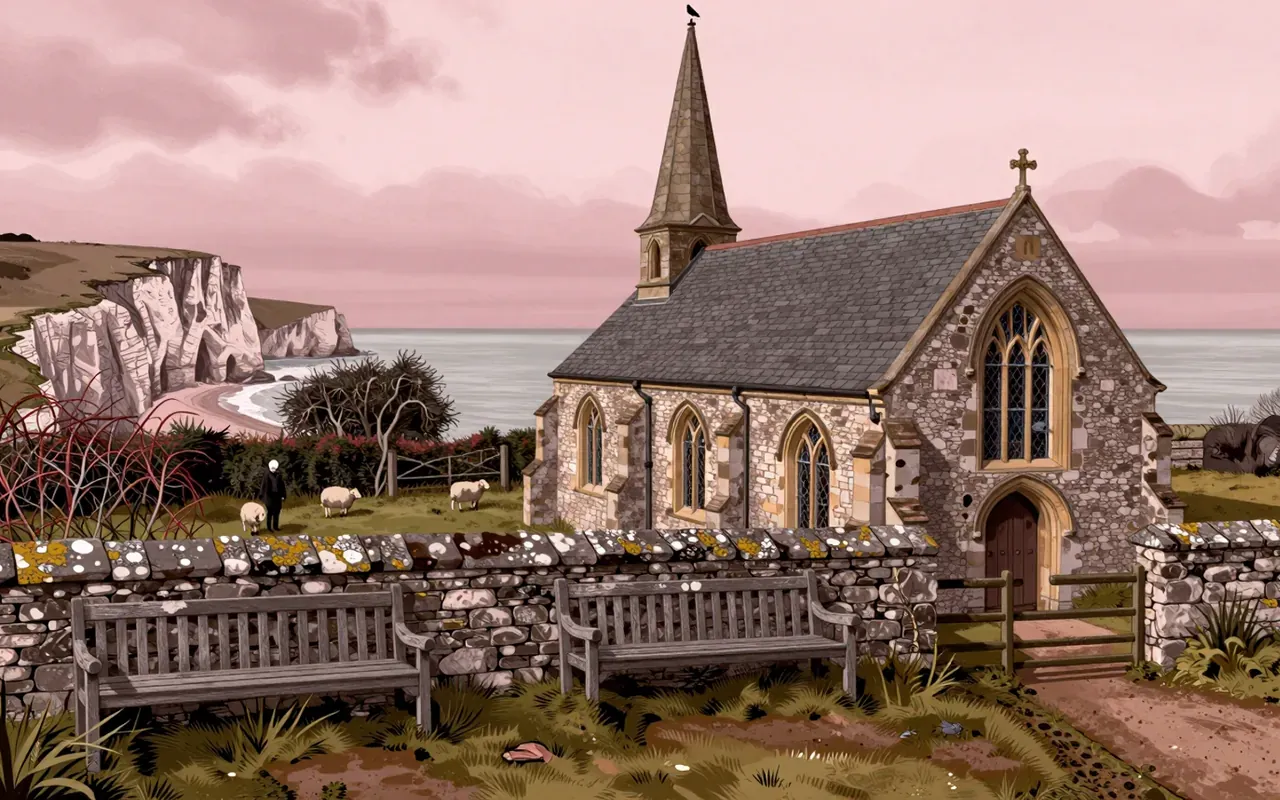
Music Has the Right to Children came out in April 1998 as the debut album from the Scottish duo Boards of Canada, brothers Michael Sandison and Marcus Eoin, who had already been making music together since the early 1980s and had spent most of the 1990s pressing their own cassettes for the small Hexagon Sun collective they belonged to in the Pentland Hills. Two prior EPs, Twoism and Hi Scores, had circulated among a small audience before Autechre’s Sean Booth pointed the pair toward Skam Records; Warp Records also wanted the album, and the two labels ended up releasing it jointly. What arrived was less a conventional dance record than a set of miniatures built around half-remembered childhood sound.
Detuned synths and open windows
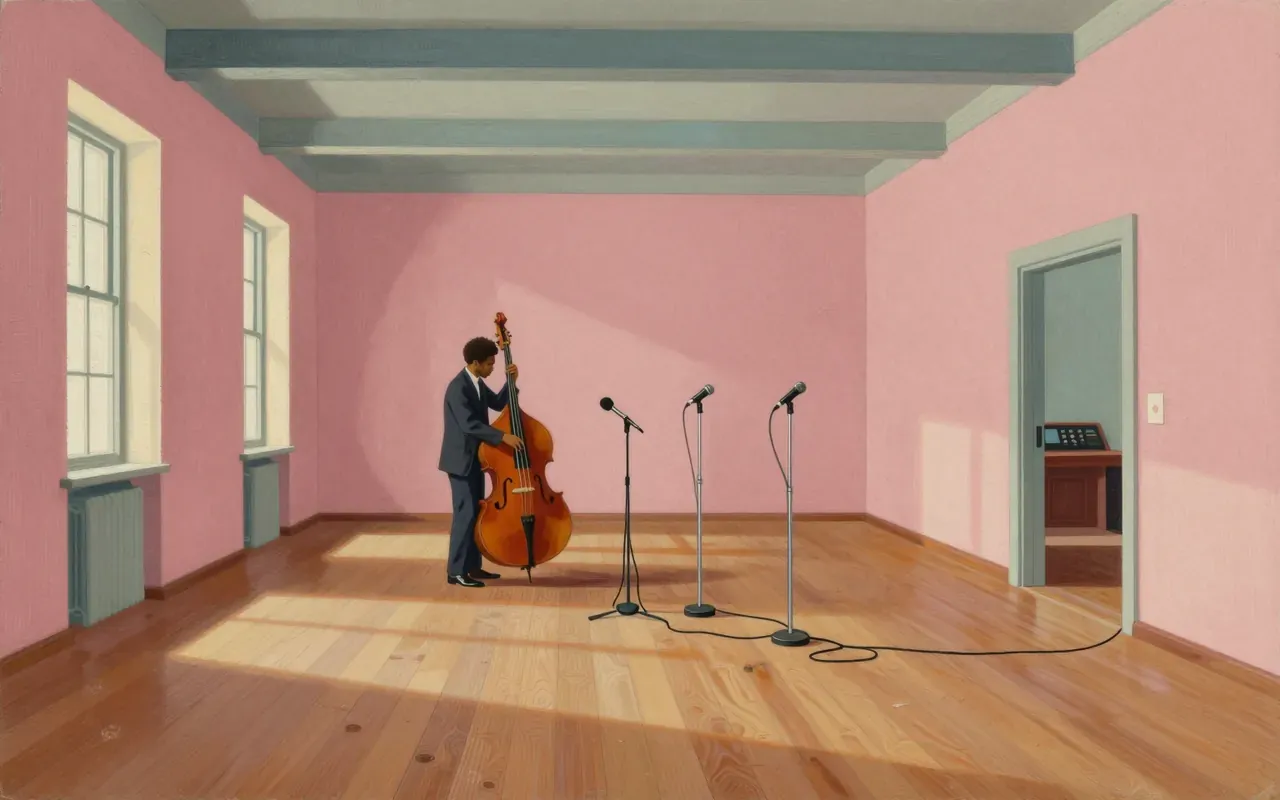
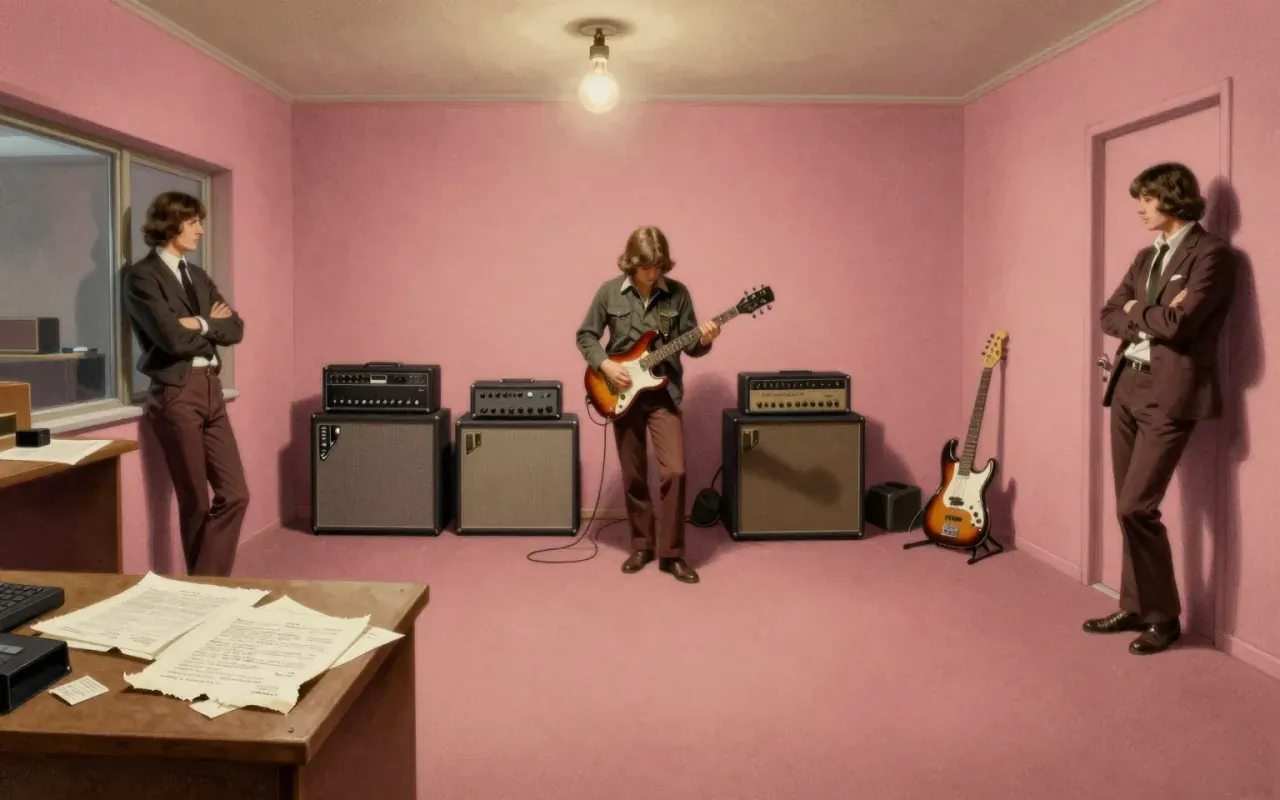
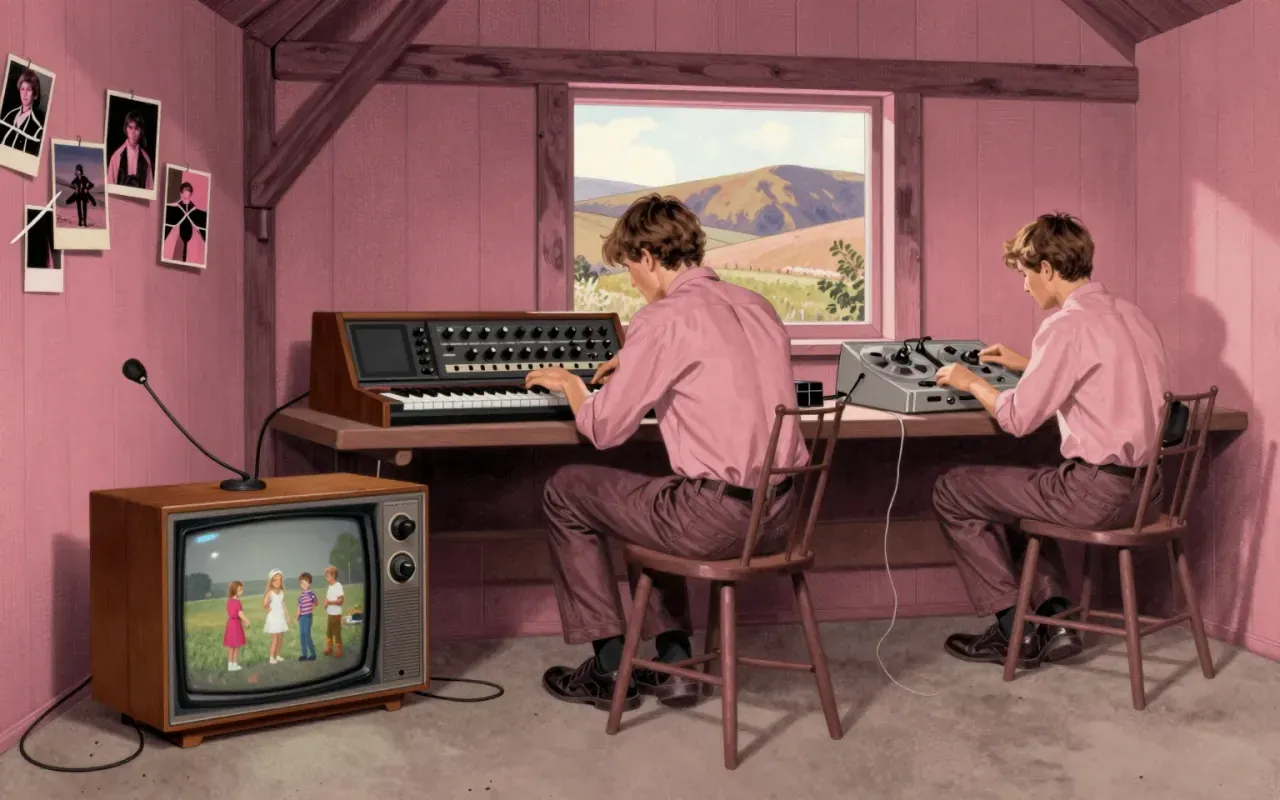
The duo recorded at their own studio, described in some press coverage as a bunker though the pair themselves called that an exaggeration, using samplers, reel-to-reel tape and vintage synthesisers deliberately left out of tune. Several tracks lean on samples drawn from children’s television, including material connected to Sesame Street, while one piece, Rue the Whirl, kept the sound of birdsong that drifted in through an open studio window during recording rather than being edited out. The overall effect depends on that combination of degraded analogue equipment and half-buried vocal fragments, giving tracks a worn, tape-warped texture that a cleaner digital production would not reproduce.
Warmth curdling into unease
What the album gets right is atmosphere sustained across an unusually long running order without tipping into monotony. A looped child’s voice on The Color of the Fire sits somewhere between comforting and faintly disquieting, and that tension, warmth shading into unease, runs through much of the record. Melodic tracks such as Roygbiv sit alongside more abstract, texture-led pieces without the shifts feeling arbitrary, and the deliberately detuned synthesisers give even the album’s simplest melodies an unsettled, slightly seasick quality that keeps a listener’s attention even on repeated plays. Little on the record reaches for a chorus in any conventional pop sense, yet individual passages stay memorable regardless.
Seventeen tracks of patience
At seventeen tracks and over an hour, the album asks a lot of patience, and its more abstract, less melodic pieces can blur together on a single sitting, functioning better as connective texture than as songs a listener would seek out individually. The duo’s fondness for cryptic, personally coded titles, explained only in occasional interviews, means several tracks offer little to hold onto beyond mood alone, which suits the record’s overall haze but can leave individual pieces feeling underdeveloped when judged on their own rather than as part of the whole sequence.
Nostalgia with an edge
The record’s underlying idea is that nostalgia and unease are closer neighbours than most childhood imagery admits. Titles and samples gesture toward 1970s and 1980s North American television and school life, filtered through tape damage and pitch-bent synthesisers until warmth curdles slightly at the edges. That is a more particular achievement than simple wistfulness for a childhood past; the duo have said the album’s title itself points to an intention to work on a listener through sound rather than through explicit narrative, and the record largely succeeds at doing exactly that.
Who should hear it
Anyone drawn to electronic music that trades dancefloor function for mood and texture will find plenty to sit with here, as will listeners interested in how analogue tape and detuned synthesisers can be used deliberately rather than as accidents to be corrected. It rewards a full, uninterrupted listen more than shuffled individual tracks. Those wanting clear song structures, conventional melody throughout, or music built around rhythm and drop rather than atmosphere may find the album’s more abstract stretches trying, especially across its longer running time, and casual listeners hunting for an immediate single may come away puzzled by the pacing.
A defining record of its decade
Music Has the Right to Children has been named repeatedly among the defining electronic albums of its decade, and the case holds up: few records manage the same balance of comforting texture and quiet unease across a full hour without repeating themselves. It is not an easy album to summarise by genre, and a handful of its seventeen tracks are more mood than song, but as a sustained exercise in analogue texture and half-remembered childhood atmosphere it remains close to unmatched, and it rewards the patience it demands more with every additional listen than it did on the first.