What the record is and where it came from
Fox Confessor Brings the Flood is Neko Case’s fourth solo album. It was released on March 7, 2006. It was recorded while Case toured with the New Pornographers and worked on the live album The Tigers Have Spoken. It is her most autobiographical record, centred on ‘Hold On, Hold On’.
How it sounds, and how it was made
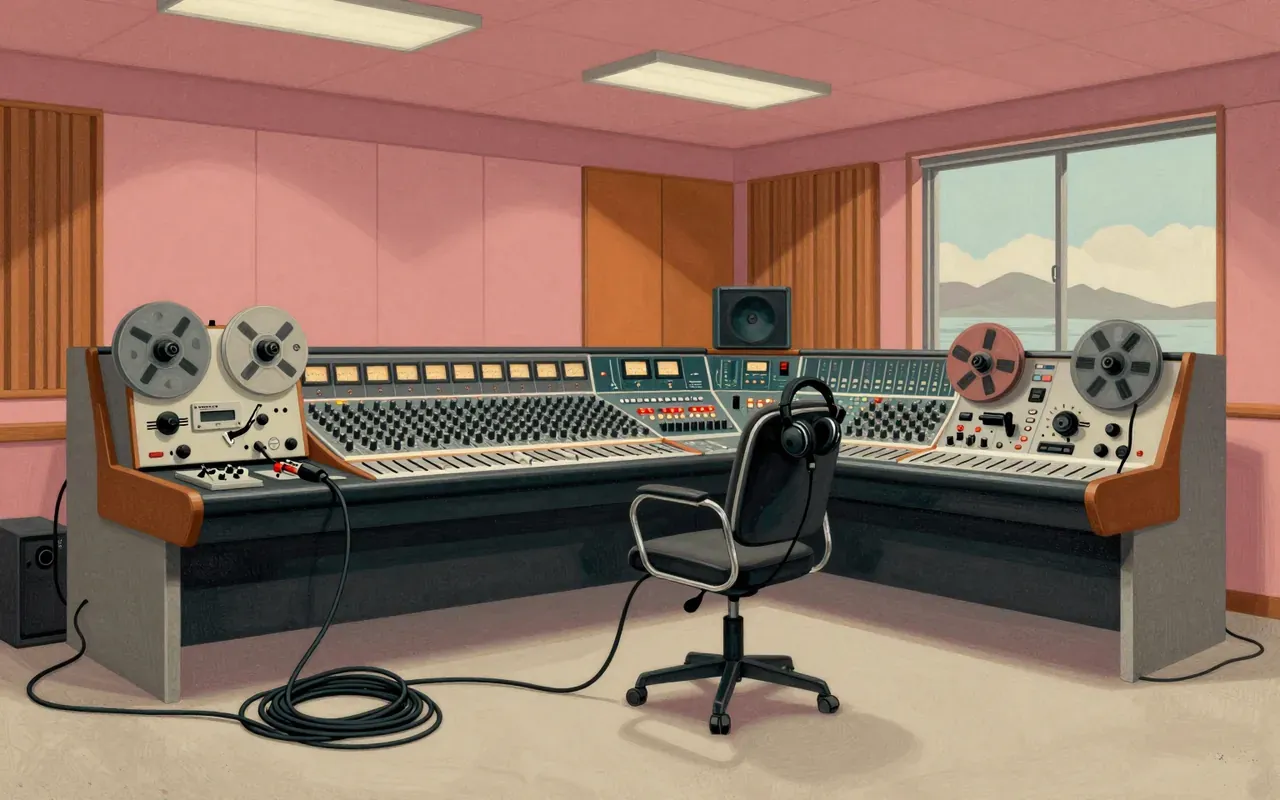
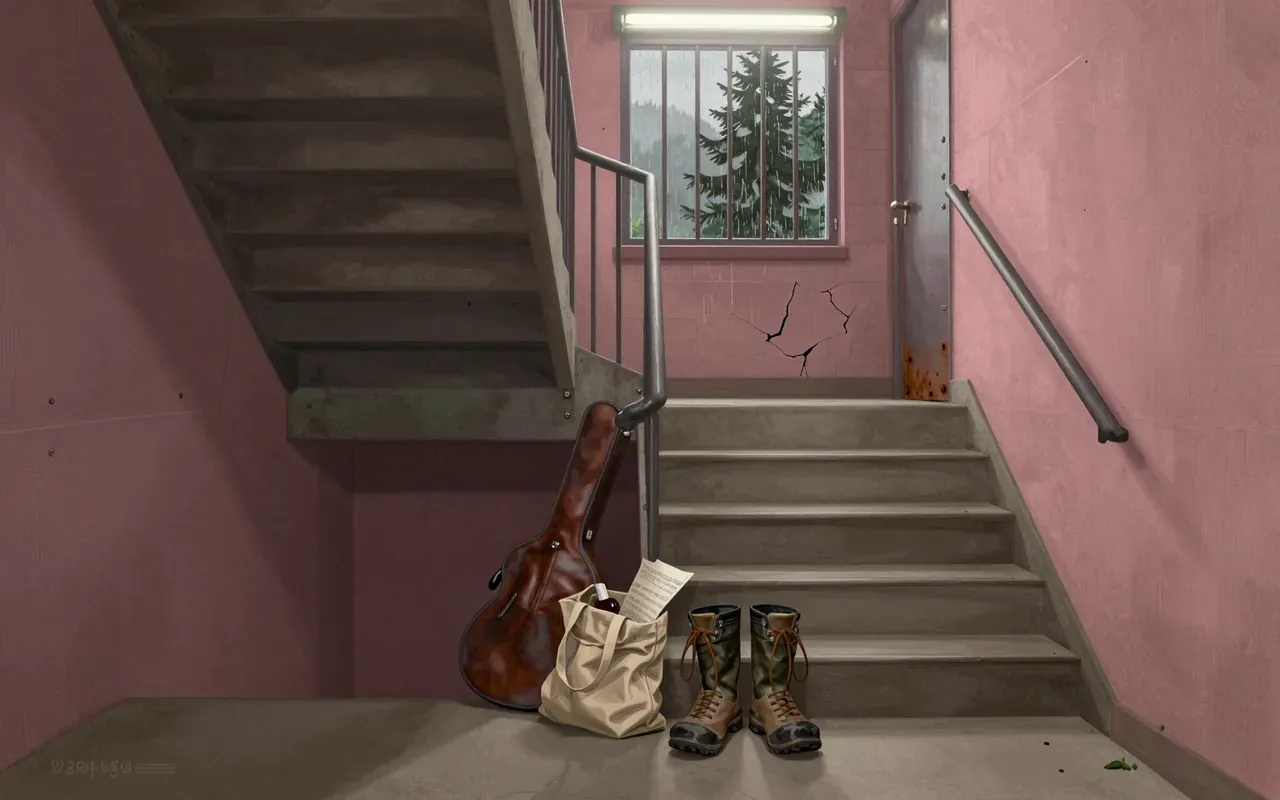
The album was engineered by Craig Schumacher and Chris Schultz. It was produced and mixed by Neko Case and Darryl Neudorf. It was recorded primarily in Tucson over two years, with the beginning of ‘John Saw That Number’ captured in a stairwell at Toronto’s Horseshoe Tavern and ‘At Last’ tracked at Toronto’s Iguana studio. Case’s ‘country-noir’ aesthetic blends gospel and early rock. Instruments include pedal steel (Jon Rauhouse), upright bass (Tom V. Ray), and contributions from The Sadies, Howe Gelb, Kelly Hogan, Joey Burns, John Convertino, Brian Connelly, Paul Rigby, Rachel Flotard, and Garth Hudson. No tempo, key, or mic technique is documented.
What lands
‘Hold On, Hold On’ lands with visceral relief — its sparse arrangement and direct confession make it the album’s emotional anchor. ‘John Saw That Number’ lands through dissonant cultural layering — spiritual text meets unfamiliar melodic contour. ‘A Widow’s Toast’ lands through radical reduction: no chorus, no build, just voice and minimal accompaniment. The stairwell recording of ‘John Saw That Number’ lands as physical space made audible.
What does not
It does not rely on verse-chorus repetition. It does not clarify its characters’ motives. It does not resolve emotional tension. It does not use conventional country instrumentation exclusively — pedal steel appears, but so do Indian-influenced phrasing and gospel harmonies without piano or organ anchoring.
The ideas inside it
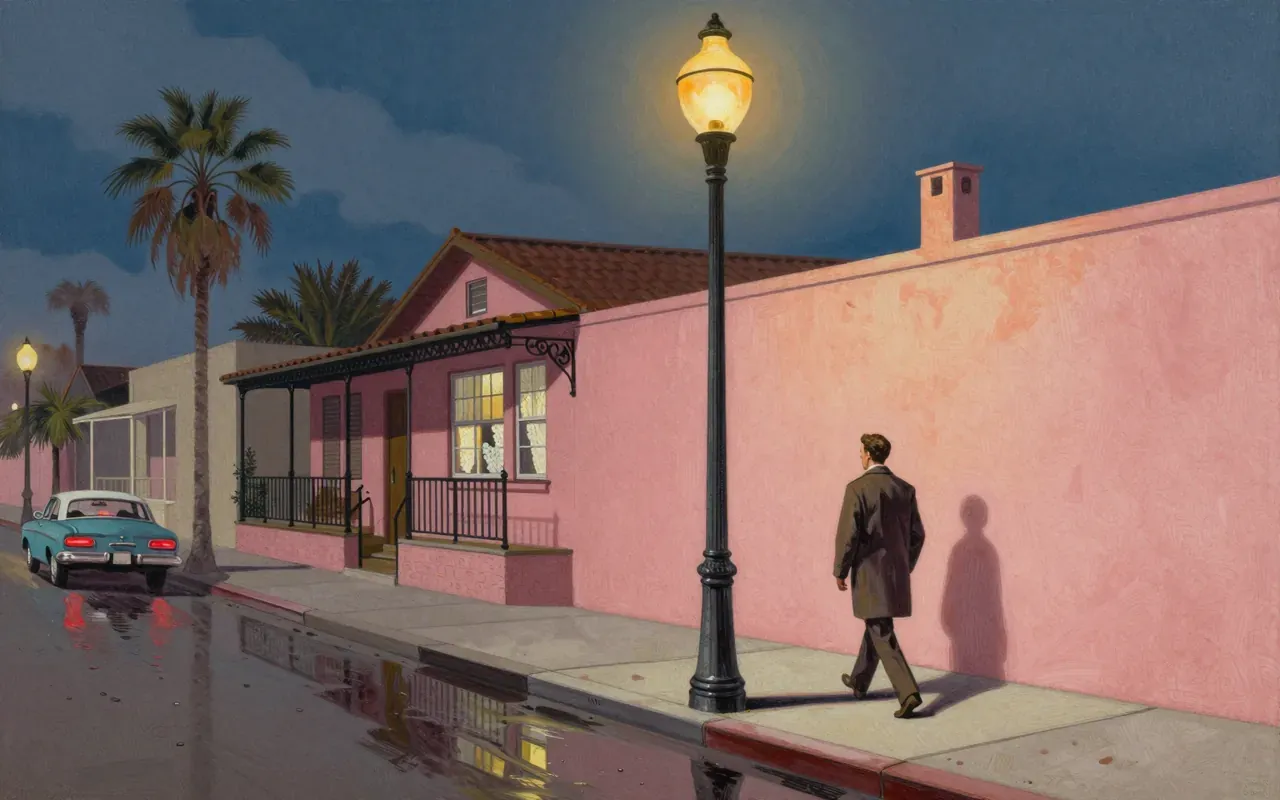
The songs avoid literal storytelling. Case wrote many words then pared them back to leave suggestive gaps. ‘Hold On, Hold On’ is autobiographical: Case leaves a wedding reception, alone, with drugs from the bride. ‘That Teenage Feeling’ evokes memory through 1950s-style pop balladry. ‘John Saw That Number’ merges an old American spiritual with a musical idea from India. Narrative ambiguity draws from Eastern European fairy tales and personal experience.
Who should hear it, and who should not
People who listen for where sound is placed — in a stairwell, in a studio, in silence — should hear it. People who want lyrics to explain themselves should not.
Is it worth your time
Yes. It rewards attention to texture, narrative slippage, and vocal placement. It is not background music. It demands listening to how space is used — a stairwell, a studio, a stripped-down room — and how words are withheld rather than explained.