Frank Sinatra Sings for Only the Lonely is a 1958 Capitol Records studio album defined by its torch-song repertoire, emotionally charged context—including Sinatra’s recent divorce and Riddle’s personal losses—and distinctive recording practices involving separate mono and stereo sessions with differing microphone setups. Its arrangements, crafted by Nelson Riddle, feature expressive instrumental solos by Harry Edison, Ray Sims, and Bill Miller. Though initially recorded with Riddle, the usable tracks came from a session led by Felix Slatkin, and the album marked the end of Capitol’s era of dual-format separate-recording techniques. The original stereo release omitted two tracks present on the mono version, and the album won the Grammy Award for Best Album Cover in 1959. It is widely regarded as one of Sinatra’s most introspective and artistically cohesive works, with Sinatra himself naming it his favorite album in the mid-1970s. The front cover, painted by Nicholas Volpe, depicts Sinatra as a sullen, Pagliacci-like clown, and the back cover features a lamppost—a recurring visual motif in Sinatra’s album art. The album was recorded during the transitional period when stereo was entering the marketplace, and Capitol’s engineering choices—including the use of eight microphones for mono and two or three for stereo—produced audible differences between formats, with audio engineer Steve Hoffman favoring the mono version. The album’s emotional gravity, arrangement precision, and sonic craftsmanship collectively establish it as a landmark in vocal jazz and concept-album history. The album’s legacy includes critical acclaim, chart success, and enduring cultural resonance, notably being named No. 1 on Q magazine’s list of the '15 Greatest Stoner Albums of All Time'.
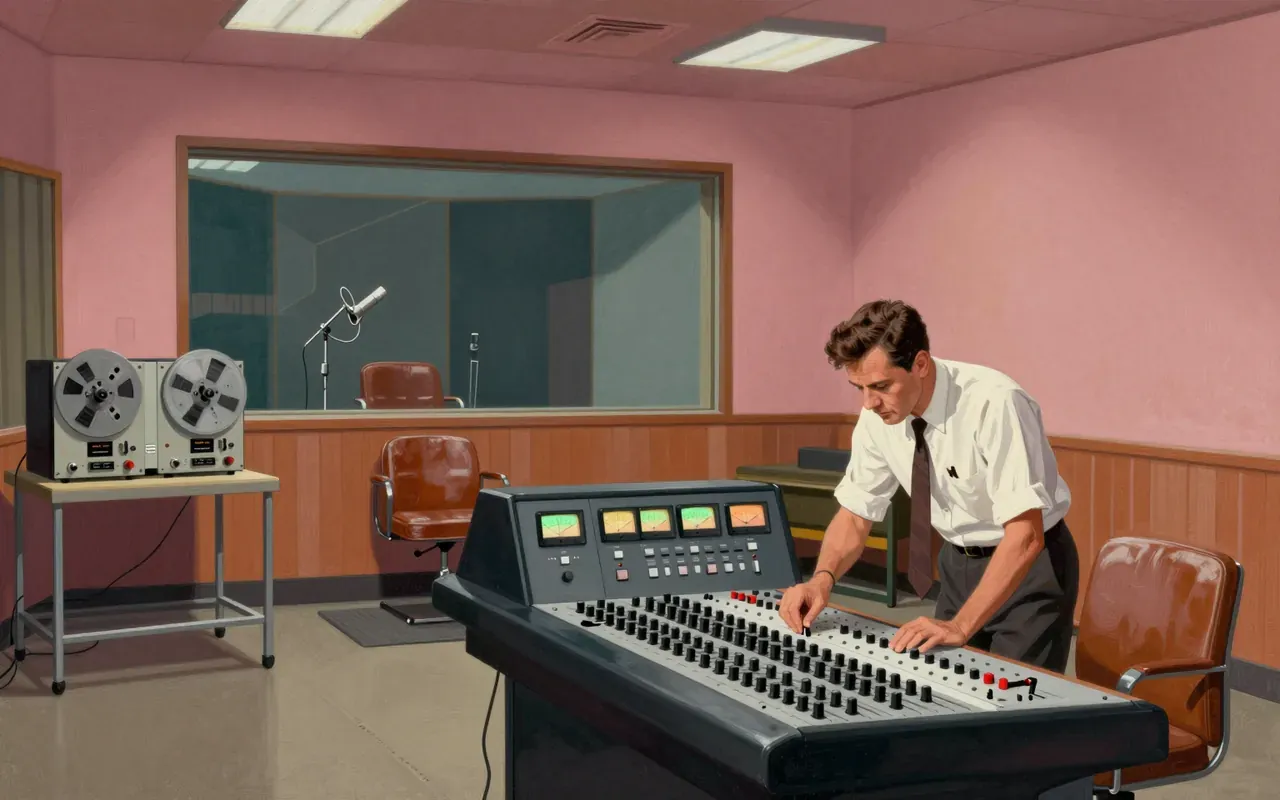
The mono version used eight microphones on the orchestra; the stereo version used only two or three — and those sparse tapes became the source for every stereo release.
2:39
Missing Tracks
The original stereo LP cut two tracks — 'It's a Lonesome Old Town' and 'Spring Is Here' — that were present on the mono version.
4:22
Soloists, Not Sections
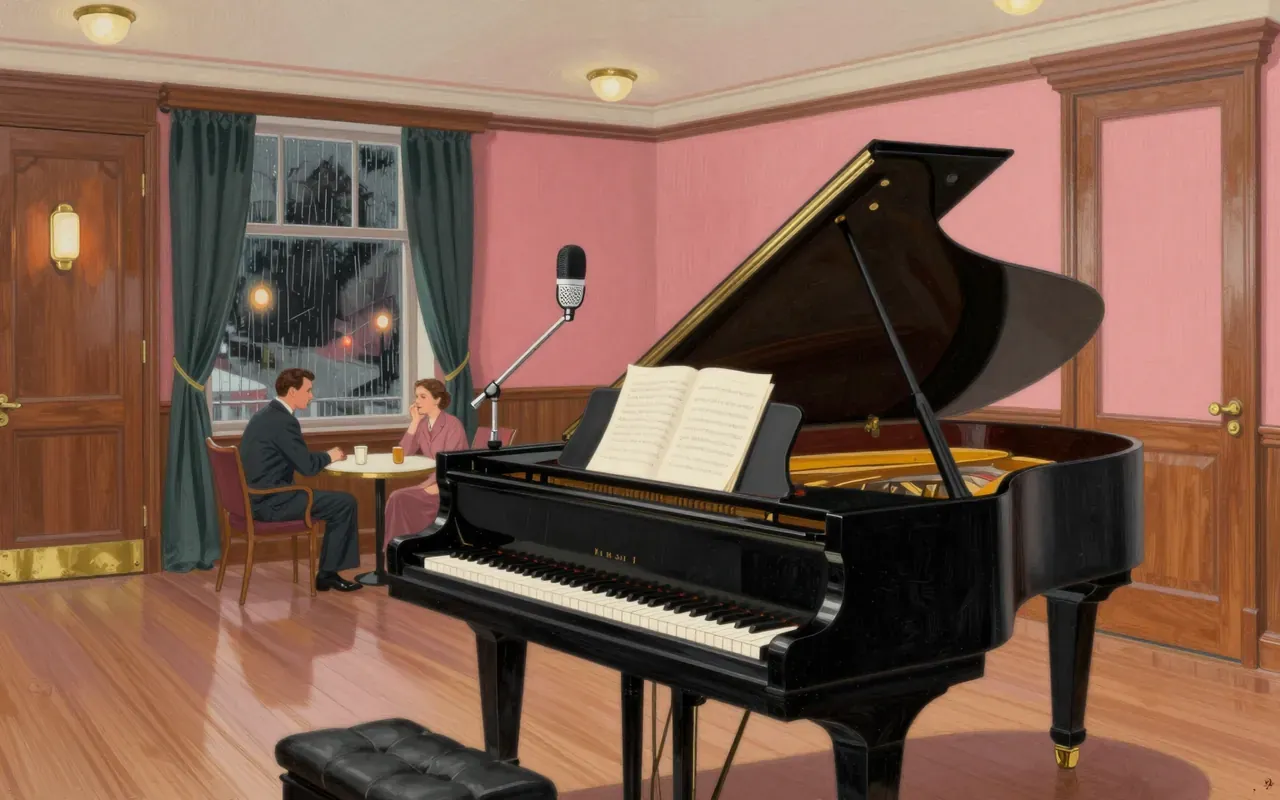
Nelson Riddle chose specific soloists — Harry Edison, Ray Sims, Bill Miller — to carry the emotional weight of each song, not the orchestra as a whole.
6:03
Grief Arranged, Not Conducted
Riddle wrote the arrangements in grief, but Slatkin conducted the usable session — making this the only Sinatra Capitol album shaped by loss but not led by its architect.
Film placements are the ones described in each film's own entry, so the list is partial rather than complete.
Worth your time?
Yes. Hear the whole thing.
4.5/ 5
What works
the hush between phrases
the weight of Sinatra’s lowered chest voice on 'Good-Bye'
the dry scrape of Ray Sims’ trombone on 'Blues in the Night'
What does not
swing
build
resolve
use reverb to soften edges
Hear it if
people who listen to rooms, not just voices
people who notice how many microphones are on a horn section
people who hear absence as texture
Skip it if
people who need uplift
people who need momentum
people who need spatial depth
Who should hear it, and who should skipHide who it is for
The written brief2 min read
What the record is and where it came from
A 1958 Capitol Records studio album. Sinatra’s first full-length dive into torch-song repertoire after his divorce. Recorded in mono with eight microphones and separately in stereo with two or three. The usable takes came from a session led by Felix Slatkin, not Nelson Riddle — though Riddle composed the arrangements during mourning for his mother and daughter. It is stark. It is blues-tinged. It is introspective. It peaked at No. 1 and spent 120 weeks on Billboard’s album chart.
How it sounds, and how it was made
Capitol recorded the mono version with eight microphones on the orchestra. They made a separate stereo recording using only two or three microphones. The original stereo release came from those sparse-mic tapes. The mono version sounds fuller, more detailed in the brass and strings. The stereo version sounds thinner, more distant, less defined in the low end. Nelson Riddle wrote the arrangements but did not conduct the usable sessions — Felix Slatkin did, uncredited. Harry Edison plays muted trumpet on ‘Willow Weep for Me’. Ray Sims plays trombone solos. Bill Miller plays piano solos. The album was the last Sinatra Capitol record made with separate mono and stereo equipment.
What lands
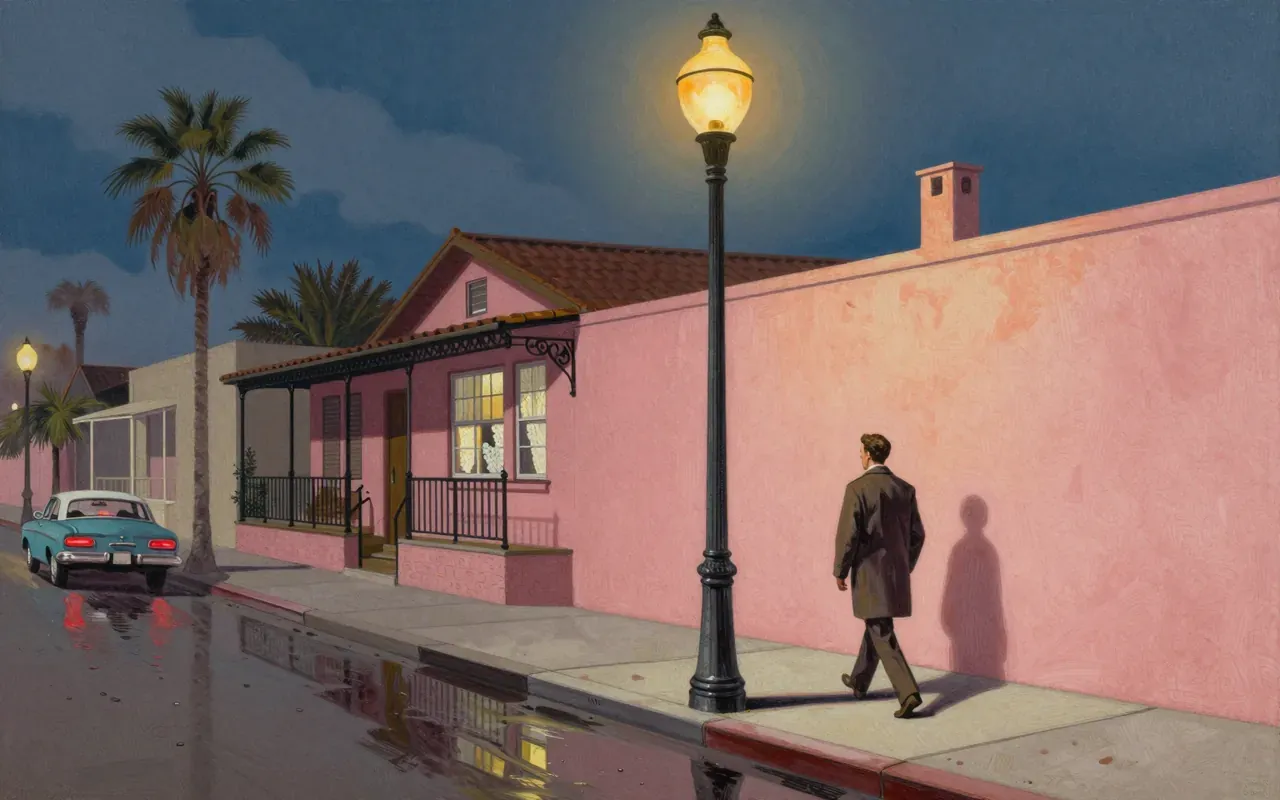
The hush between phrases. The weight of Sinatra’s lowered chest voice on ‘Good-Bye’. The dry scrape of Ray Sims’ trombone on ‘Blues in the Night’. The way Harry Edison’s trumpet breathes like a tired man leaning on a bar rail. The piano solos that land like footsteps down an empty corridor. The lamppost motif — bare, upright, isolated — echoed in the sleeve and the sound.
What does not
It does not swing. It does not build. It does not resolve. It does not use reverb to soften edges. It does not feature string swells or brass fanfares. It does not include the two tracks — ‘It’s a Lonesome Old Town’ and ‘Spring Is Here’ — on the original stereo release. It does not hide its mono origins behind stereo illusion.
The ideas inside it
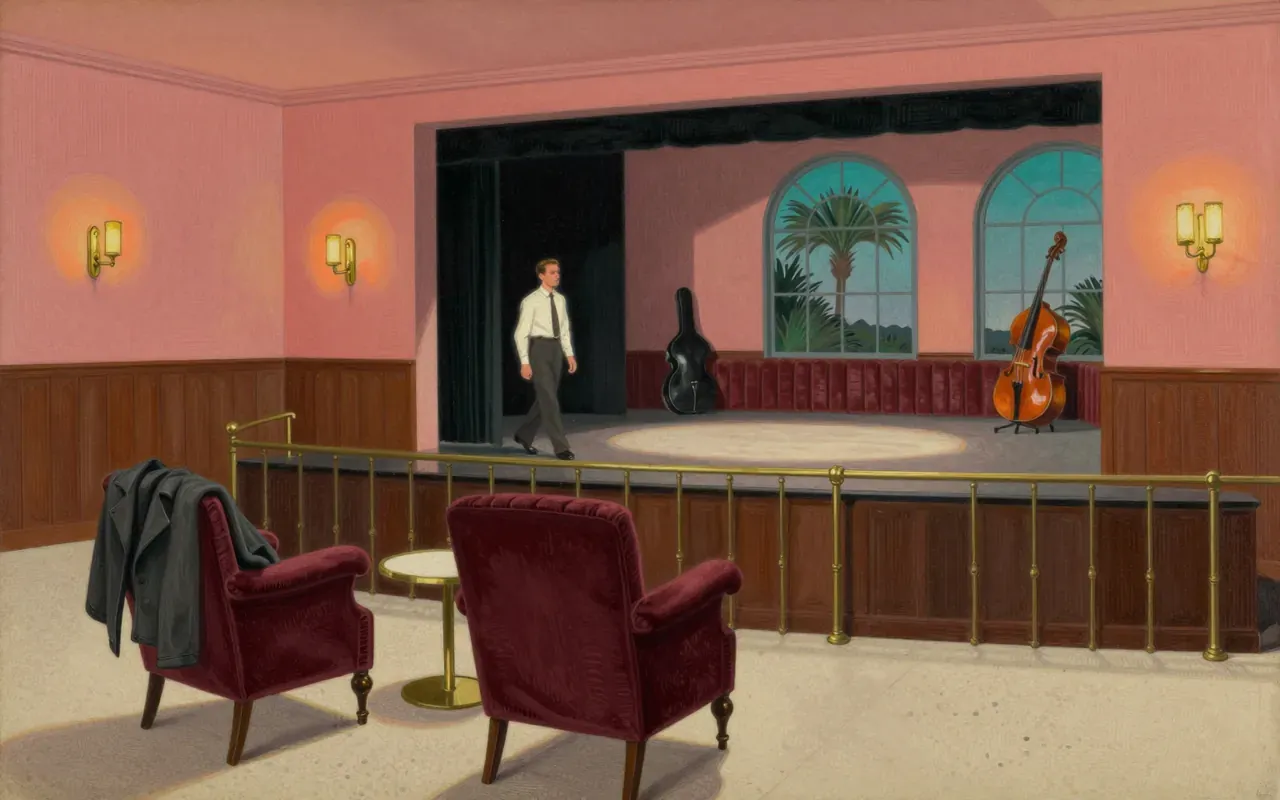
Loneliness as physical space. Grief as arrangement. A saloon song as architecture — narrow, dim, acoustically tight. The record treats silence as material, not absence. It links personal loss (Sinatra’s divorce, Riddle’s bereavement) to sonic reduction: fewer mics, fewer tracks, fewer notes. It frames torch songs not as confession but as containment.
Who should hear it, and who should not
People who listen to rooms, not just voices. People who notice how many microphones are on a horn section. People who hear absence as texture. People who want to understand how grief sounds when it’s engineered, not just sung. Not people who need uplift, momentum, or spatial depth.
Is it worth your time
Yes. It is worth your time if you want to hear how orchestral restraint, vocal control, and microphone placement shape loneliness as sound. It is not worth your time if you expect warmth, swing, or stereo immersion — this record denies all three by design.