Saved
Folk & singer-songwriter · Rock

Led Zeppelin III

A hard rock band abandons the stage for a cottage — and returns with mandolins, double bass, and a new kind of power.

Worth your time?4.5/5Yes.Hear the whole thing.What works, what does not, who it is for ↓
11:53in productionCh. 1 · Bron-Yr-Aur/ 11:53 · ceiling 15 min
5 chapters · 11:53Ceiling 15:00

The brief is written and checked. The video joins this page when it is cut.5 chapters · 2 min read · 11:53 planned

Read the brief

Led Zeppelin III is a 1970 album written at Bron-Yr-Aur, a remote Welsh cottage, and recorded mostly at Headley Grange using the Rolling Stones Mobile Studio. It is Led Zeppelin’s deliberate pivot toward folk and acoustic music — their first full reckoning with space, silence, and stringed texture.

Chapters & takeaways5
  1. 0:52
    Bron-Yr-Aur

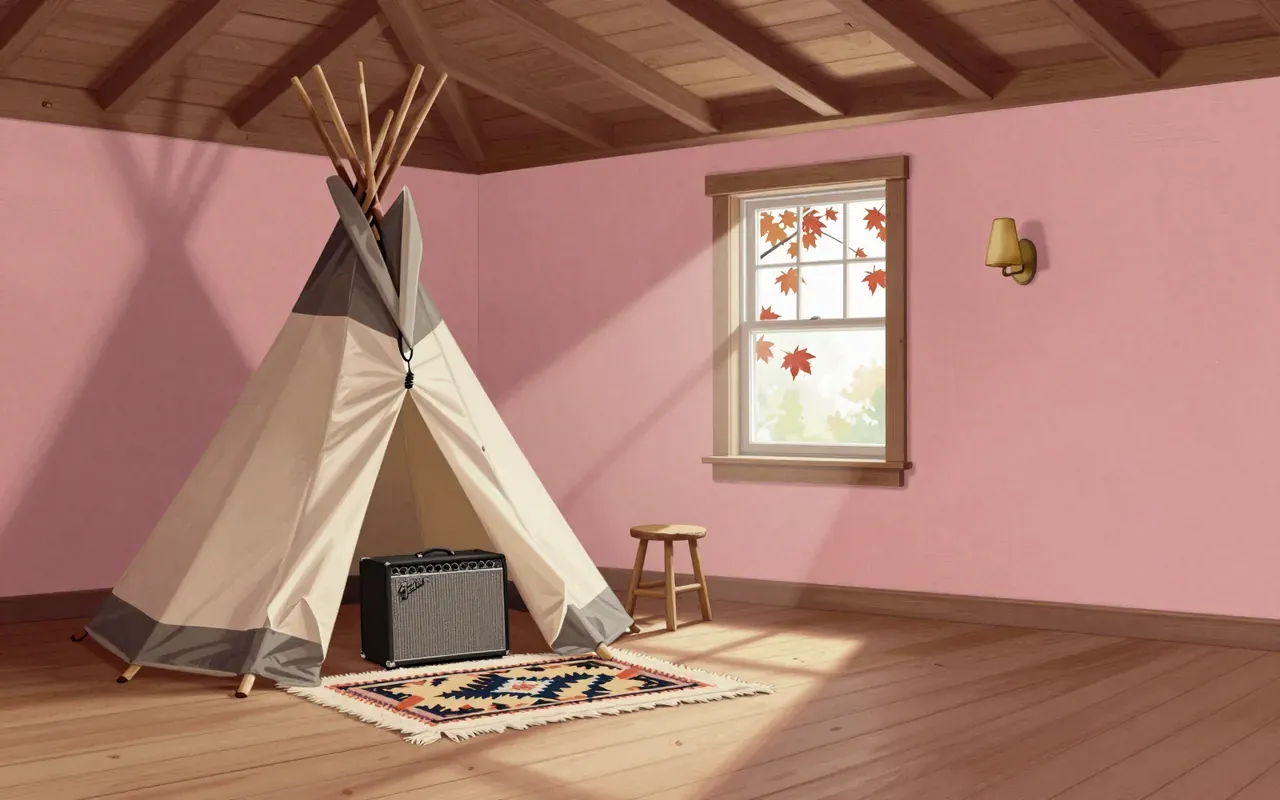
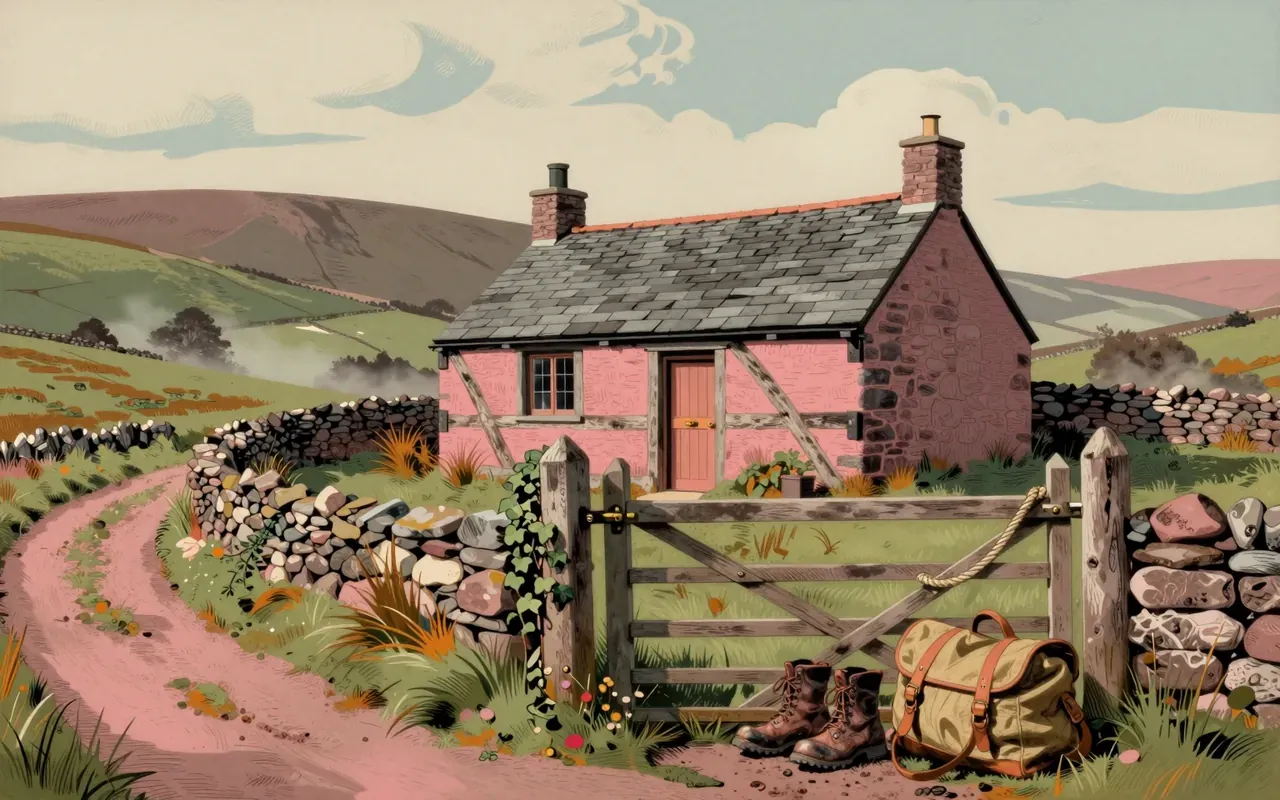
    The album was conceived in isolation — a Welsh cottage retreat that forced acoustic thinking.

  2. 2:07
    Headley Grange

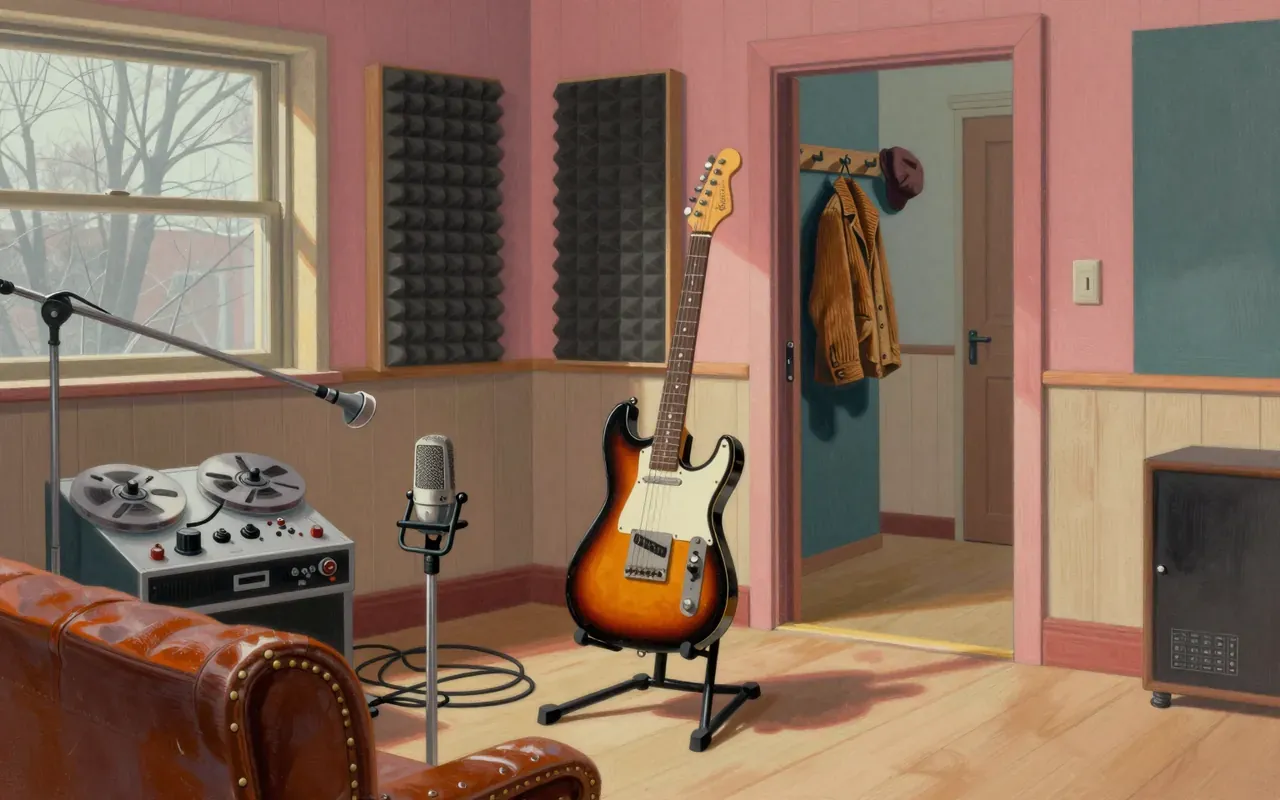
    It was made in three studios, but defined by one: Headley Grange, captured raw on mobile tape.

  3. 3:15
    Jones’s Instruments

    John Paul Jones plays mandolin, double bass, and synths — expanding the band’s voice from within.

  4. 4:36
    Acoustic Architecture

    Folk and Celtic influence isn’t colour — it’s structure, pacing, and harmonic openness.

  5. 6:29
    Re-Interpretation

    Two reinterpretations — 'Gallows Pole' and 'Hats Off' — prove tradition is material, not museum piece.

2 more chaptersFewer chapters
Running order10
  1. 01
    Immigrant Song2:26

    Heard in Assault on Precinct 13 (1976)School of Rock (2003)The Girl with the Dragon Tattoo (2011)Thor: Ragnarok (2017)

  2. 02
    Friends3:55

    Heard in The Lord of the Rings (1978)Dumb and Dumber (1994)Almost Famous (2000)The Girl with the Dragon Tattoo (2011)

  3. 03
    Celebration Day3:29

    Heard in The Song Remains the Same (1976)Celebration Day (2007)Navrang (1959)

  4. 04
    Since I’ve Been Loving You7:25

    Heard in The Song Remains the Same (1976)Celebration Day (2007)

  5. 05
    Out on the Tiles4:04
  6. 06
    Gallows Pole4:58
  7. 07
    Tangerine3:12

    Heard in The Stoned Age (1994)The Cat in the Hat (2003)Eternal Sunshine of the Spotless Mind (2004)Contagion (2011)

  8. 08
    That’s the Way5:38

    Heard in Almost Famous (2000)The Valiant (1929)Les Misérables (2012)

  9. 09
    Bron-Y-Aur Stomp4:20
  10. 10
    Hats Off to (Roy) Harper3:41

Film placements are the ones described in each film's own entry, so the list is partial rather than complete.

Worth your time?

Yes. Hear the whole thing.

4.5/ 5
What works
  • the contrast
  • 'Immigrant Song' hits with immediate force
  • 'Since I’ve Been Loving You' delivers slow-burn gravity
  • 'That’s the Way' and 'Tangerine' land as fully realised acoustic statements
What does not
  • sustain electric momentum across its runtime
  • hide its retreat from studio polish
  • reconcile its two halves cleanly
Hear it if
  • people who hear rhythm in fingerpicking
  • people who want to know how a band reinvents its core sound without losing authority
  • people curious about where British folk meets American blues in a single room
Skip it if
  • people who need consistent timbre
  • people who expect linear progression
Who should hear it, and who should skipHide who it is for
The written brief2 min read

What the record is and where it came from

Led Zeppelin III is a 1970 album written at Bron-Yr-Aur, a remote Welsh cottage, and recorded mostly at Headley Grange using the Rolling Stones Mobile Studio. It is Led Zeppelin’s deliberate pivot toward folk and acoustic music — their first full reckoning with space, silence, and stringed texture.

How it sounds, and how it was made

It sounds like a band trading amplifiers for mandolins, double basses, and acoustic guitars in a country house. The Rolling Stones Mobile Studio captured them at Headley Grange. Additional layers were added at Island and Olympic Studios in London. Jimmy Page produced. Andy Johns and Terry Manning mixed. John Paul Jones played mandolin, double bass, and synthesizers — no guests, no session players.

What lands

The contrast lands. ‘Immigrant Song’ hits with immediate force. ‘Since I’ve Been Loving You’ delivers slow-burn gravity. ‘That’s the Way’ and ‘Tangerine’ land as fully realised acoustic statements — warm, unhurried, anchored by Jones’s double bass and Page’s open-tuned guitar. ‘Bron-Y-Aur Stomp’ lands as rhythmic insistence, built on acoustic strum and handclap.

What does not

It does not sustain electric momentum across its runtime. It does not hide its retreat from studio polish — the room at Headley Grange is audible, unvarnished. It does not reconcile its two halves cleanly: the folk pieces breathe differently from the hard rock ones, and the album makes no attempt to smooth that gap.

The ideas inside it

Folk as strategy, not nostalgia. Acoustic instrumentation as structural choice, not decoration. Collaboration as expansion: Jones’s multi-instrumentalism reshapes the band’s internal architecture. Reinterpretation as dialogue: ‘Gallows Pole’ and ‘Hats Off to (Roy) Harper’ anchor the album in older forms while asserting authorship.

Who should hear it, and who should not

People who hear rhythm in fingerpicking. People who want to know how a band reinvents its core sound without losing authority. People curious about where British folk meets American blues in a single room. Not people who need consistent timbre or linear progression.

Is it worth your time

Yes, if you want to hear how a hard rock band reassembles itself around acoustic textures without abandoning intensity. No, if you expect the electric density of I or II — this record refuses that continuity.
Same genre · Folk & singer-songwriter4 of 174
11:27
Fox Confessor Brings the FloodNeko Case · 2006Fox Confessor Brings the Flood is a tightly controlled act of withholding — in lyric, structure, and space. Its power lies in what it omits, not what it declares.
10:36
Parsley, Sage, Rosemary and ThymeSimon and Garfunkel · 1966Parsley, Sage, Rosemary and Thyme is Simon & Garfunkel’s third studio album, released in October 1966. It marks their first use of eight-track recording, their first full assertion of creative control, and their first active participation in mixing — especially on 'Scarborough Fair'. It is largely acoustic, drawing on Paul Simon’s 1965 English songwriting period and recycling material from The Paul Simon Songbook. Vocal takes were overdubbed to separate voice from guitar. 'Patterns' uses string snaps, syncopated bass, and a frenetic bongo part. 'Scarborough Fair' features fingerpicked guitar, delicate chimes, harpsichord embellishments, and vocal blend.
8:58
Fleet FoxesFleet Foxes · 2008Fleet Foxes’ self-titled 2008 debut was recorded mostly in domestic spaces — Pecknold’s parents’ basement and Wescott’s home — due to tight funds; it aimed for simplicity through harmonies and unconventional structures, underwent full re-recording and exhaustive revision, and was produced by Phil Ek with vocals added the night before final mixing. Its pastoral acoustic sound foregrounds vocal arrangements modelled on classical string textures, informed by folk, gospel, psychedelic pop and Sacred Harp styles, with lyrics rooted in Pecknold’s rural surroundings, philosophical reflection and personal abandonment — not love songs.
9:55
Bringing It All Back HomeBob Dylan · 1965Bringing It All Back Home is Bob Dylan’s 1965 album, recorded across three sessions at Columbia’s Studio A in New York. Side one features electric instrumentation performed live by a band including Al Gorgoni, Kenny Rankin, Bruce Langhorne, Paul Griffin, Joseph Macho Jr., William E. Lee, and Bobby Gregg — with no rehearsal on January 14 yielding master takes of five songs in three-and-a-half hours. Side two is solo acoustic: Dylan, guitar, harmonica. The January 15 session reused most of that band (Frank Owens replacing Griffin), with Dylan directing arrangements on piano. It was Dylan’s first studio use of electric instruments. The album ends with two of his most important compositions: 'It's All Over Now, Baby Blue' and 'It's Alright, Ma (I'm Only Bleeding)'.
Up next in Music

Leftism

Leftfield · 1995 · 11:09

This isn’t electronic music that invites dancing — it’s electronic music that demands recalibration.

11:09