What the record is and where it came from
Horses is Patti Smith’s 1975 debut album, recorded at Electric Lady Studios in September with her live band and John Cale as producer. It is not a manifesto. It is a first take on what happens when poetry walks into a rock studio and refuses to leave the mic.
How it sounds, and how it was made
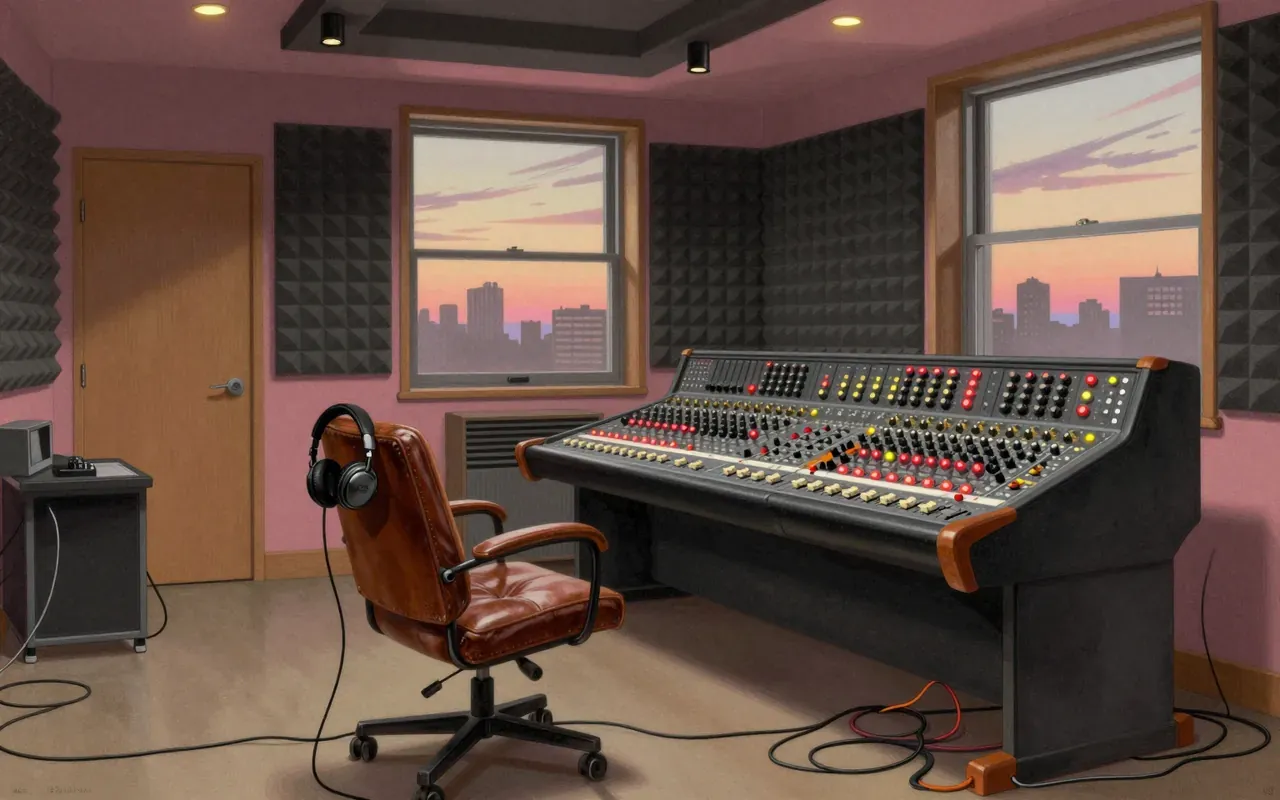
It sounds like a live band captured in Electric Lady Studios, with multitracking and overdubbing applied to structured songs but improvisation left raw in the room. John Cale’s production frames Smith’s spoken-poetry delivery against Lenny Kaye’s guitar, Ivan Král’s bass, Richard Sohl’s keyboards, and Jay Dee Daugherty’s drums — no guest instruments named beyond Lanier and Verlaine, no tempos or keys stated, no room acoustics described beyond the studio’s name.
What lands
‘Gloria’ lands. Its opening line cuts through silence. The cover of Van Morrison is re-anchored by Smith’s cadence and the band’s taut, unvarnished attack. ‘Redondo Beach’ and ‘Free Money’ land too — tight, vivid, anchored in character and place.
What does not
It does not sustain momentum across all eight tracks. ‘Land’ runs 9:26 but offers no resolution; ‘Birdland’ stretches to 9:13 without clarifying its shape. The record’s ambition outpaces its discipline in the long-form pieces.
The ideas inside it
It declares autonomy through language: ‘Jesus died for somebody’s sins but not mine’ opens the record as both invocation and refusal. It treats rock as a vessel for poetic syntax, not just rebellion — fusing punk rock and spoken poetry without softening either.
Who should hear it, and who should not
People who want to hear how voice and rhythm argue in real time should hear it. People who need polish, consistency or clear genre signposts should not.
Is it worth your time
Yes. It rewards attention to how voice, rhythm and arrangement collide — not as myth, but as document of a September 1975 session where spontaneity was negotiated, not surrendered.