What the record is and where it came from
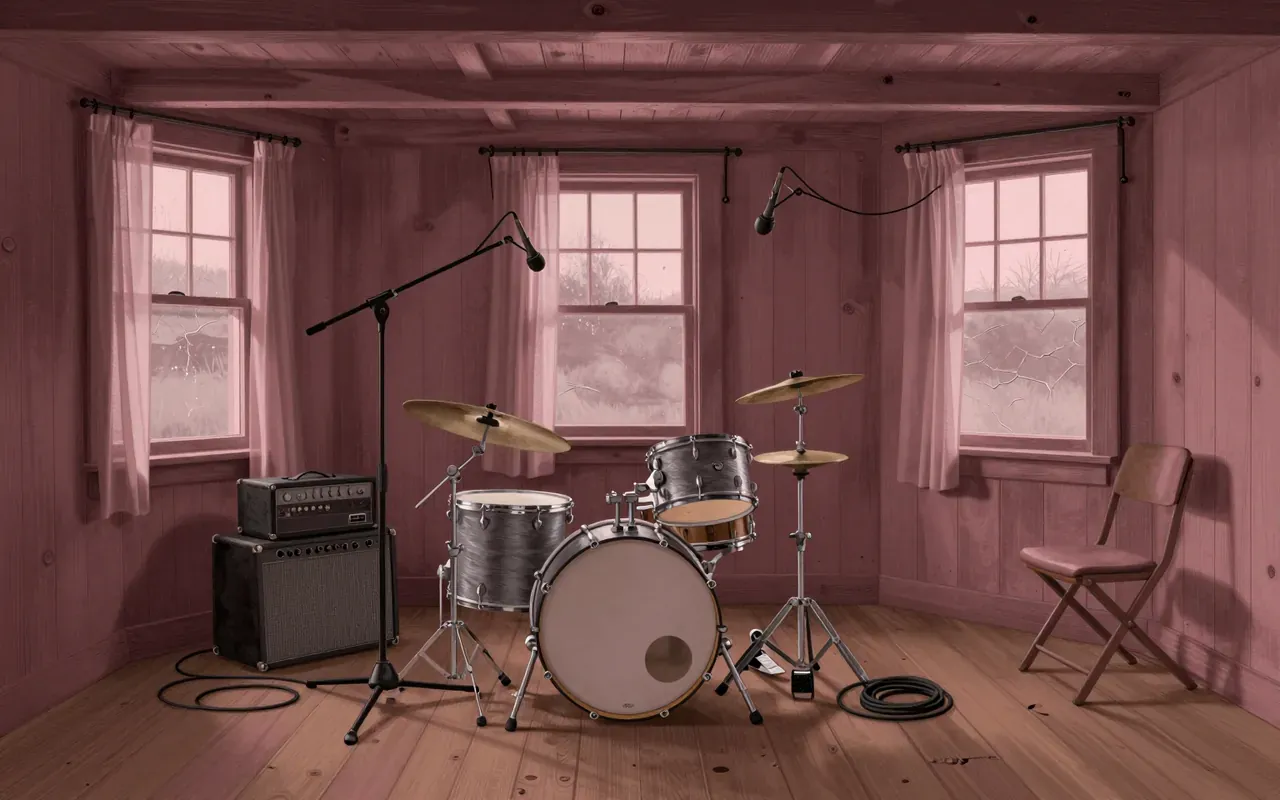
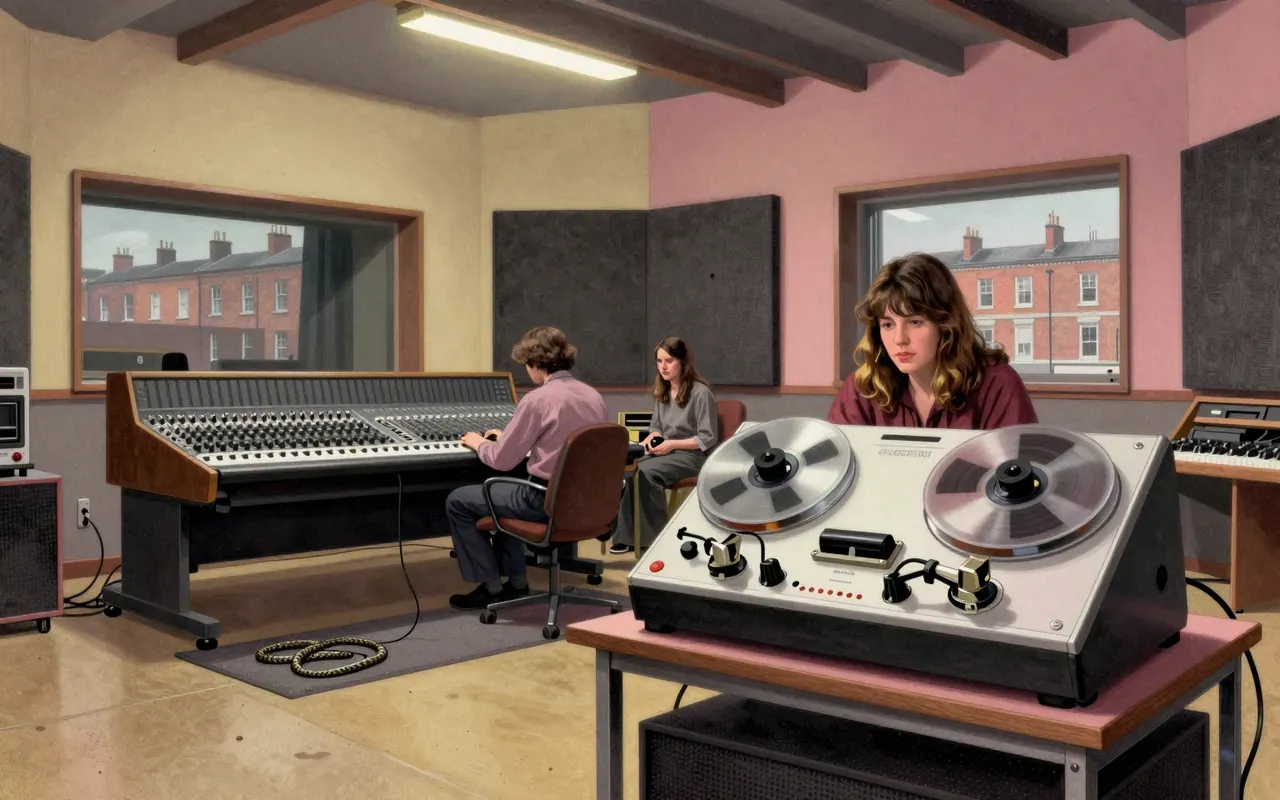
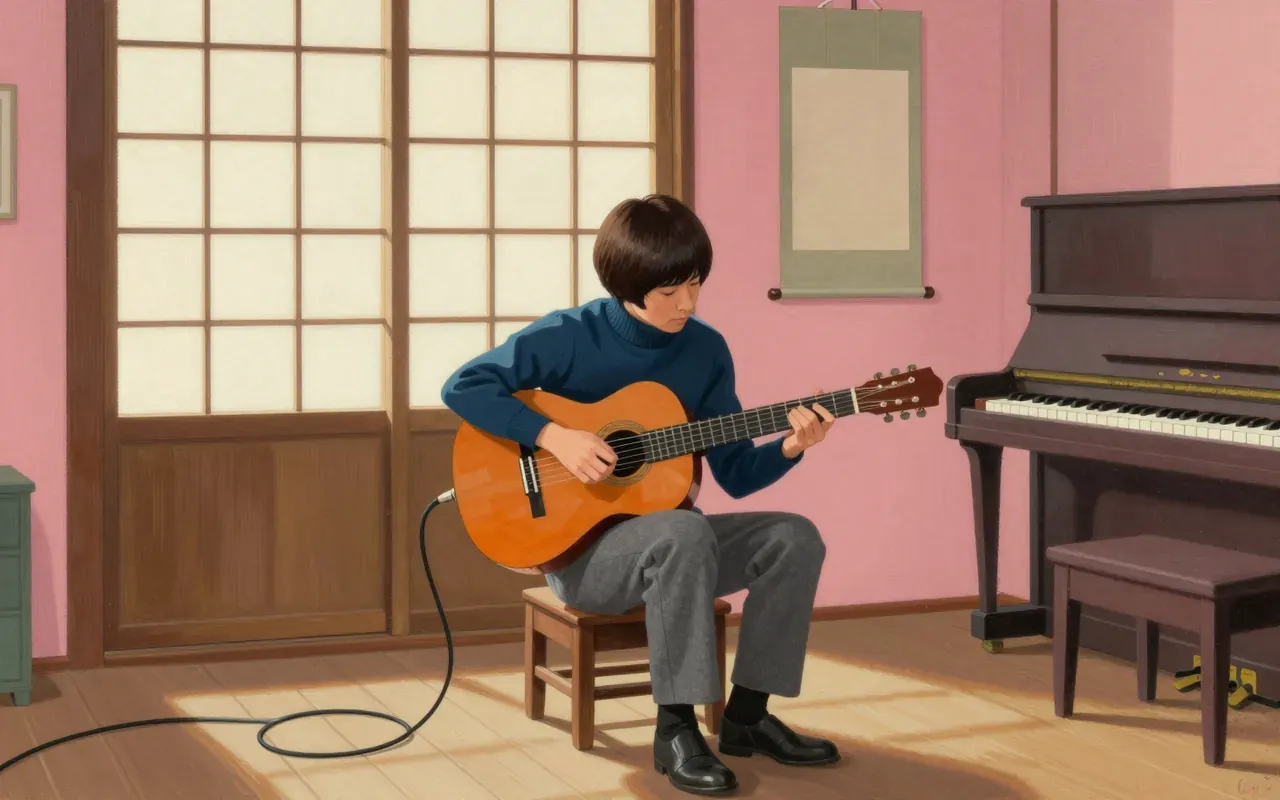
Haruomi Hosono’s 1973 solo debut followed Happy End and was recorded at his home in Sayama. The title is literal. A bedroom held the players, with recording equipment elsewhere in the house, and the sessions took place during the afternoons. Domestic space supplied the practical conditions for a full group record.
How it sounds, and how it was made
The personnel include Shigeru Suzuki on electric guitar, Masataka Matsutoya on piano, Fender Rhodes and accordion, Tatsuo Hayashi on drums and percussion, and Hiroki Komazawa on steel guitar. Hosono contributes voice, bass, guitar and several other instruments.
That is a substantial palette for a home session. The relevant distinction is between domestic location and solitary production: a house can accommodate shared playing and detailed arrangements, not only a musician recording alone.
What lands
Hosono’s interest in The Band’s Music from Big Pink and James Taylor’s One Man Dog gives a useful point of orientation. The attraction was partly a way of working, with musicians making a record in a setting that supported their company.
The combination of guitars, keyboards and rhythm section makes this album worth hearing before filing Hosono primarily under his later electronic work. His musical curiosity already had a tangible ensemble form.
What does not
The famous name and the home-recording story can create expectations the album does not owe anyone. It is neither a demonstration of advanced electronics nor a guarantee of untouched spontaneity. Hearing it only as an origin story for later achievements overlooks the songs and players in front of you.
The ideas inside it
Where people work can affect what kinds of collaboration become possible. The house allowed a different relationship between ordinary life and record-making. Technology mattered because it could serve that arrangement, rather than requiring everyone to move into a conventional studio.
Who should hear it, and who should not
Hear it if you enjoy the meeting of songwriting and a versatile band. It is particularly useful for listeners whose knowledge of Hosono begins with Yellow Magic Orchestra and who want another point of departure.
Is it worth your time
Yes. Attend to the credited musicians rather than treating the domestic location as the sole explanation. The house matters because of what the group could do inside it.