musicbriefs
8:42in productionCh. 1 · Electronic Density/ 8:42 · ceiling 15 min
Soundtracks

Inception

A score built to shake cinema seats—not to linger in memory.

Inception is not ambient. It is architectural. It is not nostalgic—it weaponises nostalgia. It does not breathe—it pulses.

Chapters & takeaways4
  1. 0:58
    Electronic Density

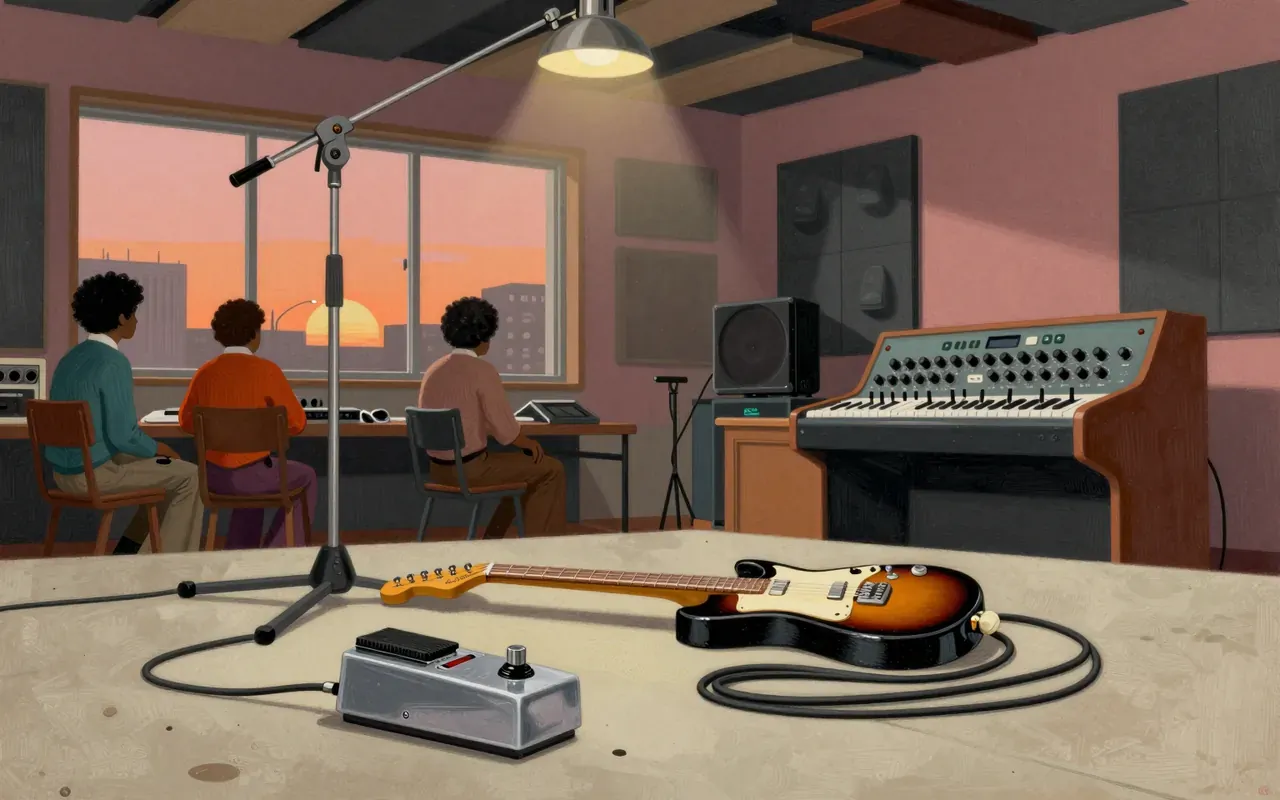
    It is a very electronic, dense score—designed to mirror Cobb's emotional state, not to stand alone.

  2. 2:38
    One Guitar, One Human Gesture

    Johnny Marr’s Morricone-esque guitar is the only organic voice in a synthetic system.

  3. 3:50
    Piaf as Blueprint

    Édith Piaf’s 'Non, je ne regrette rien' is not quoted—it is disassembled and rebuilt as timing infrastructure.

  4. 5:32
    Foghorns Over a City

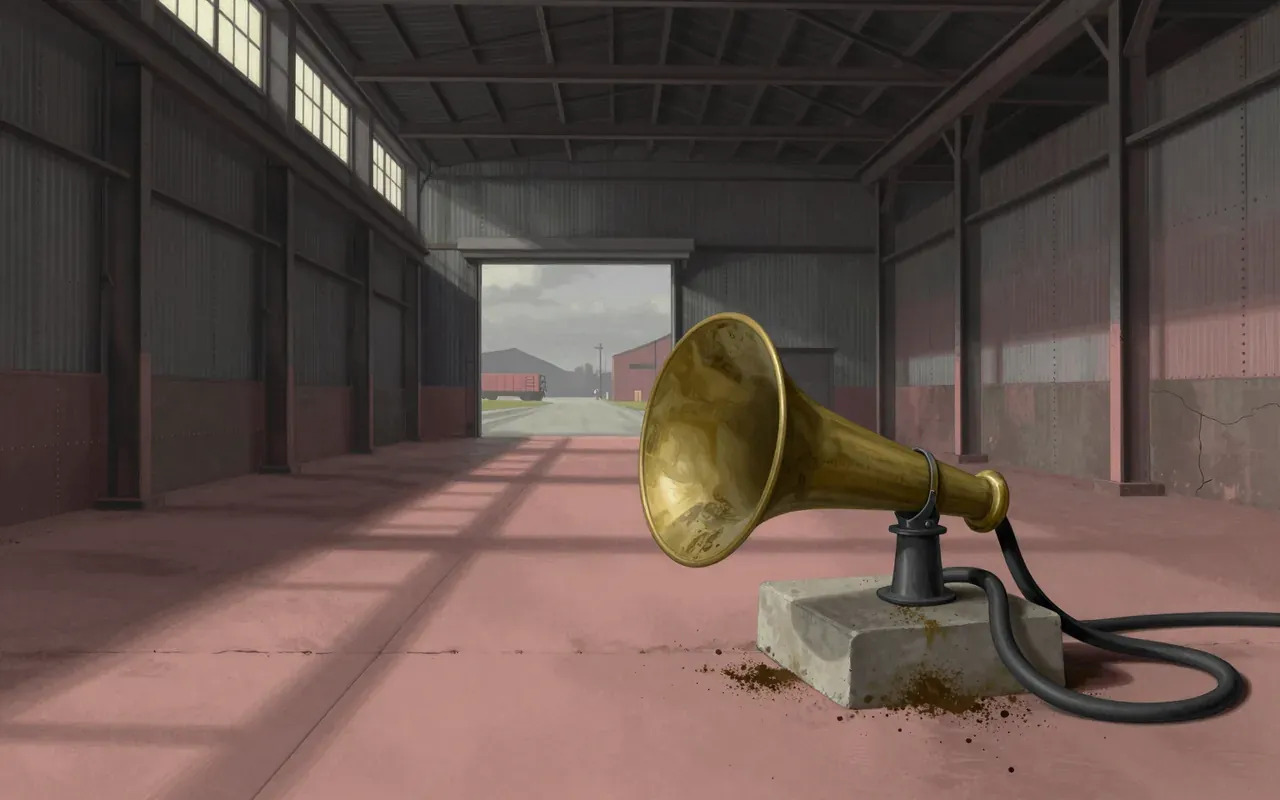
    The foghorn horn sound succeeded because it lasts less than a second—and rattles bone.

Running order10
  1. 01
    We Built Our Own World1:57
  2. 02
    Dream Is Collapsing2:24
  3. 03
    Radical Notion3:43
  4. 04
    Old Souls7:44

    Heard in Phantom of the Paradise (1974)Only Lovers Left Alive (2013)

  5. 05
    5284912:24
  6. 06
    Mombasa4:54

    Heard in Inception (2010)

  7. 07
    One Simple Idea2:28
  8. 08
    Dream Within a Dream5:04

    Heard in Inception (2010)Picnic at Hanging Rock (1975)

  9. 09
    Paradox3:25

    Heard in The Simpsons Movie (2007)Terminator Genisys (2015)Tenet (2020)Deadpool & Wolverine (2024)

  10. 10
    Time4:38

    Heard in Days of Thunder (1990)The Dark Knight (2008)Iron Man (2008)The Avengers (2012)

Film placements are the ones described in each film's own entry, so the list is partial rather than complete.

Worth your time?

Yes. Hear the whole thing.

3.5/ 5
What works
  • foghorn horn sound
  • manipulated Piaf fragments
  • Morricone-esque guitar
What does not
  • develop motifs
  • use acoustic orchestration as primary texture
  • resolve emotional arcs
Hear it if
  • film composers
  • sound designers
  • trailer editors
Skip it if
  • listeners seeking melodic continuity
  • fans of traditional orchestral scoring
  • those who value silence as a compositional element
The written brief1 min read

What the record is and where it came from

It is the original motion picture soundtrack for Inception (2010), composed and arranged by Hans Zimmer. It was written concurrently with filming. It serves a film about layered dreams, where music times subjective duration.

How it sounds, and how it was made

It is a very electronic, dense score. It uses electronic manipulation of Édith Piaf’s ‘Non, je ne regrette rien’. It features a Morricone-esque guitar part performed by Johnny Marr. It includes a horn sound described as ‘like huge foghorns over a city’.

What lands

The horn sound lands. Its brevity, weight, and physical impact made it trailer-ready. The manipulated Piaf fragments land as structural anchors—not melody, but timing devices. The Morricone guitar lands as a lone human gesture in an otherwise synthetic field.

What does not

It does not develop motifs across tracks. It does not use live orchestral texture as primary colour. It does not resolve emotional arcs—it sustains a single mood: nostalgia and sadness, without release.

The ideas inside it

The score embeds recursion through manipulated fragments of a pre-existing song. It ties musical time to dream time via diegetic function. It treats sound as architecture: foghorn horns occupy space like physical structures; density replaces silence with pressure.

Who should hear it, and who should not

Film composers studying functional scoring. Sound designers interested in spatialised low-end. Editors cutting trailers needing visceral punctuation. Anyone who hears ‘foghorns over a city’ and immediately feels floor vibration.

Is it worth your time

Yes—if you want a functional, physically immersive score built for narrative layering and temporal tension. No—if you expect thematic development, melodic variation, or acoustic depth beyond its defined palette.
Same genre · Soundtracks4 of 10
Up next in Music

Interstellar

Hans Zimmer · 2014 · 9:24

An organ in a cathedral, not a score for a film — it’s architecture pretending to be music.

9:24