musicbriefs
Topic

Sound design

The half of the film that is never mentioned in the reviews.

14
in music
10:35
average
148 min
in total
332
across the network
Sound design across the network →
All briefs14
9:00

Merriweather Post Pavilion

Animal Collective · 2009

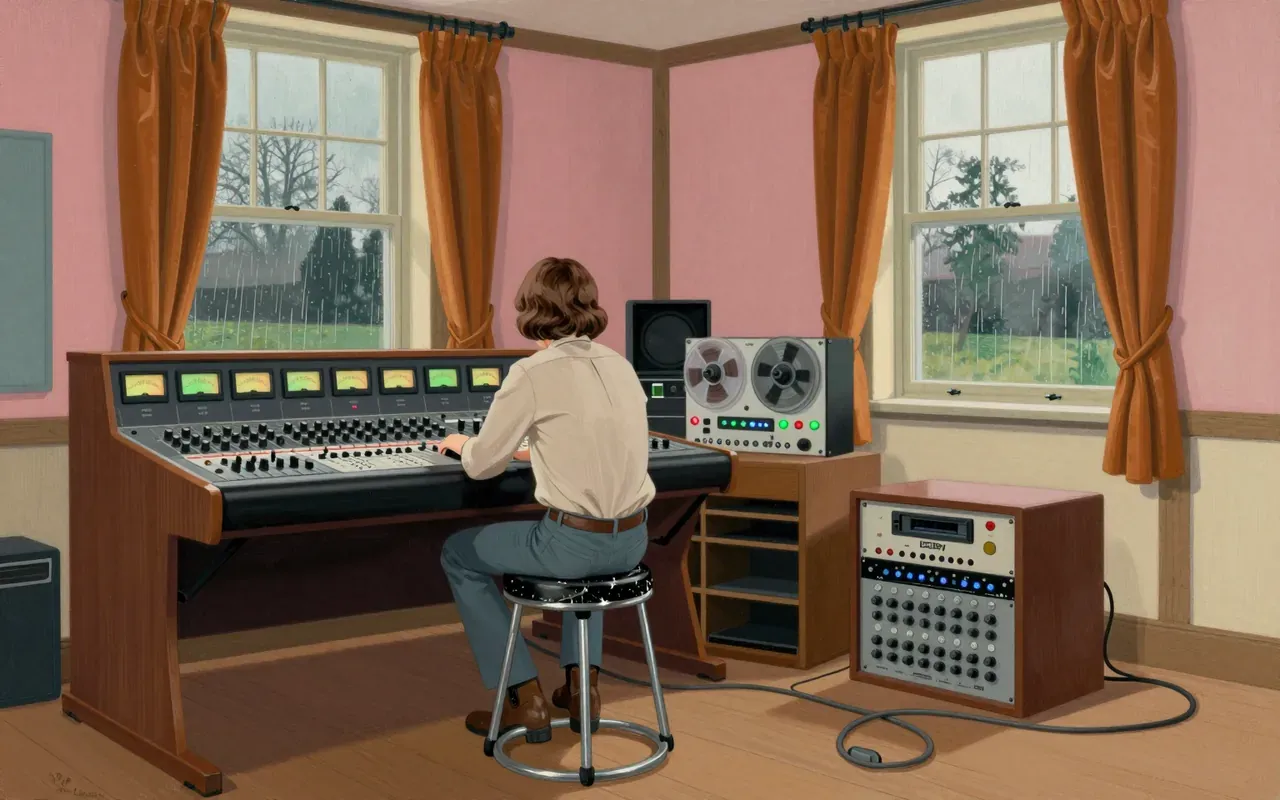
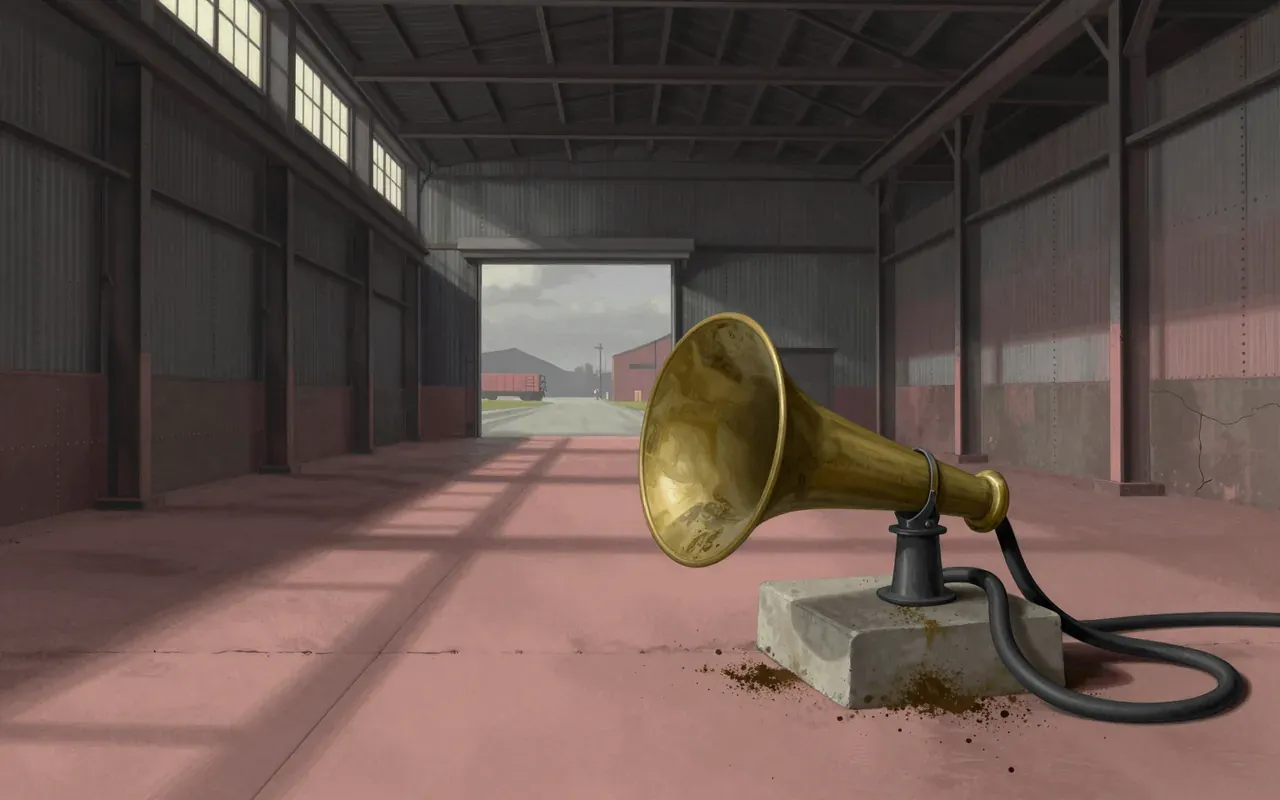
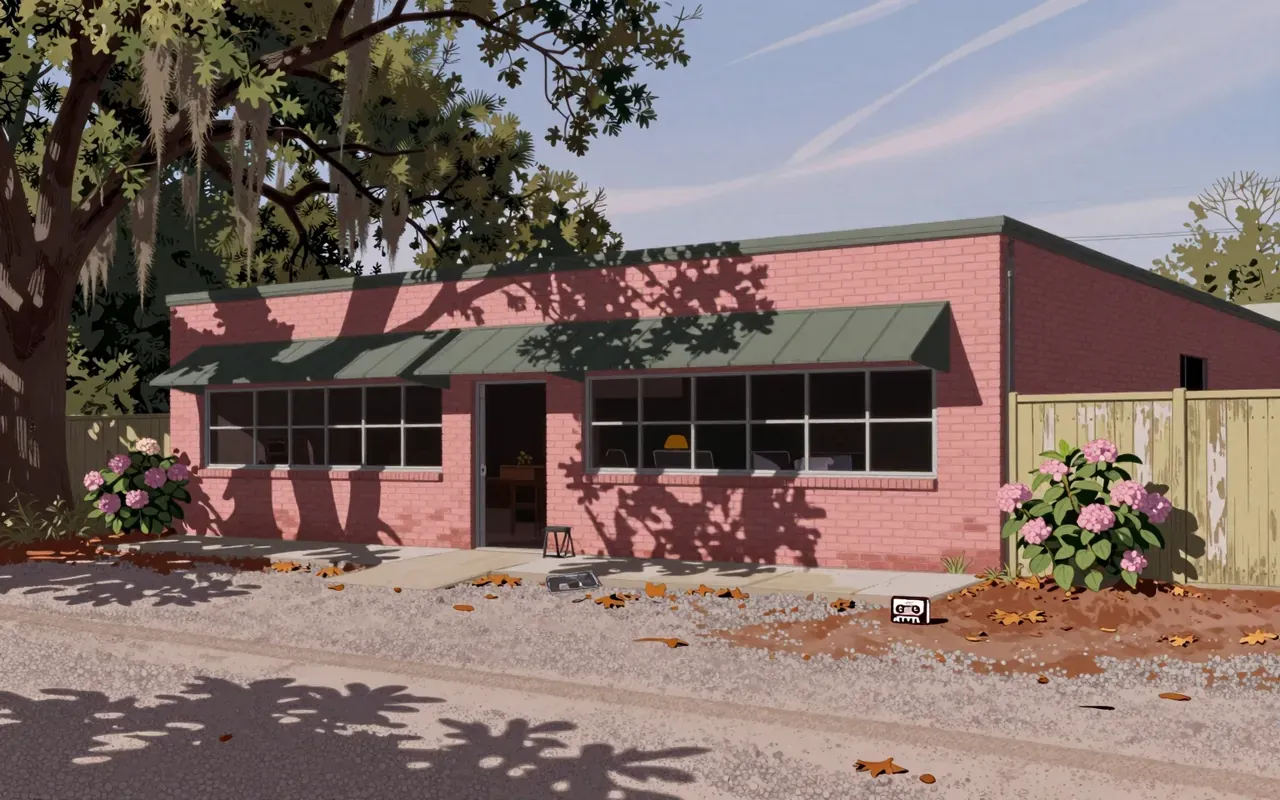
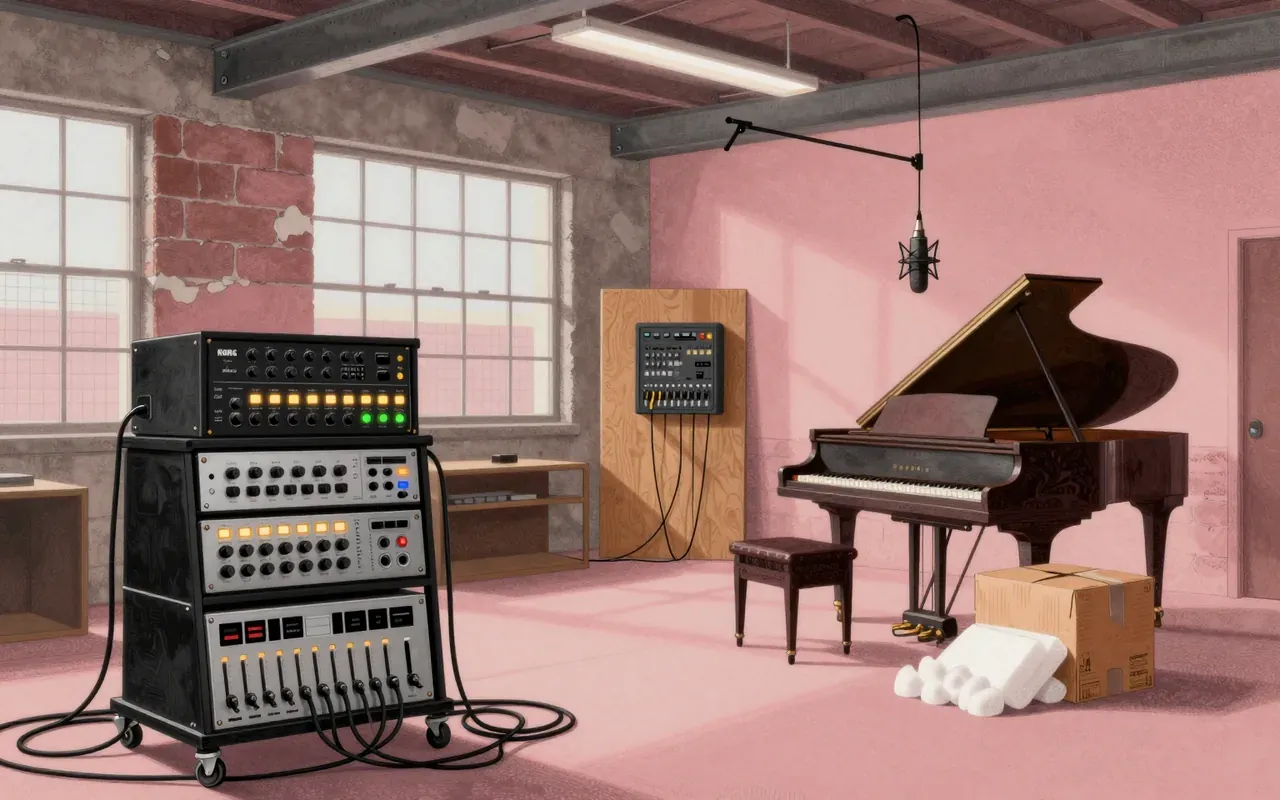
Merriweather Post Pavilion is Animal Collective’s eighth studio album, recorded in February 2008 by Panda Bear, Avey Tare, and Geologist — without guitarist Josh Dibb — and co-produced by Ben H. Allen. It was made at Sweet Tea Recording Studio in Oxford, Mississippi, and mixed at Chase Park Transduction in Athens, Georgia. Drawing from Panda Bear’s 2007 solo album Person Pitch, the band worked largely without guitars, using samplers and synthesizers as primary instruments alongside prominent reverb. They installed PA systems in the studio to replicate the energy of their live shows. The album is titled after the Merriweather Post Pavilion outdoor concert venue in Maryland, where Portner and Weitz attended concerts in their youth.

9:40

The Dock of the Bay

Otis Redding · 1968

“(Sittin’ on) The Dock of the Bay” is Otis Redding’s final recording — an intentionally atypical, non-R&B song co-written with Steve Cropper, recorded in two sessions at Stax in November and December 1967, and mixed posthumously with seagull and wave sounds per Redding’s request. It features restrained vocals, succinct guitar, no backing vocals, and ends with Redding’s whistle — a deliberate substitution for a fadeout rap. Redding considered it unfinished and planned to re-record it, but died three days after the final session. Released in January 1968, it became his first number-one hit on both the Billboard Hot 100 and R&B charts.

9:27

The Soft Bulletin

The Flaming Lips · 1999

The Soft Bulletin is a studio-built symphony of rock and synthesis — no strings, no hedging, no filler. It trades psychedelic chaos for meticulous, emotionally charged construction.

10:24

Billion Dollar Babies

Alice Cooper · 1973

Billion Dollar Babies is Alice Cooper’s most commercially successful studio album, reaching No. 1 in both the US and UK in February 1973. It was recorded across multiple locations—including the Galesi Estate in Greenwich, Connecticut, and Morgan Studios in London—with distinctive production techniques such as routing microphones through rooms and a greenhouse to shape vocal sound; it involved Bob Ezrin as producer and Gerry Lyon as assistant across three locations; featured Gibson SG guitars by Buxton and Bruce; employed three additional guitarists due to Buxton’s health issues; and included a quadraphonic mix with materially different arrangements, edits, and vocal placements compared to the stereo version. Lyrical themes include necrophilia, dental fear, horror, and sexual harassment, and the album’s title reflects the band’s ironic response to their sudden commercial success.

9:05

Lonerism

Tame Impala · 2012

Lonerism is a studio-built world where pop melody meets ambient alienation. It uses synthesizers, dictaphone field recordings, and spatial production to evoke isolation — not as absence, but as a deliberate, textured condition.

11:01

Out of the Blue

Electric Light Orchestra · 1977

Out of the Blue is a double LP released in 1977. Written in three and a half weeks in a Swiss Alps chalet. Recorded over two months in Munich. A multi-platinum pop record built around weather, travel, and studio-as-instrument thinking.

12:12

Post

Björk · 1995

Post is Björk’s 1995 second studio album, conceived after her move to London and reflecting the city’s multicultural, club-driven energy. It features an eclectic fusion of electronic and organic elements, achieved through collaboration with co-producers Nellee Hooper, Graham Massey, Tricky, and Howie B. Recording began at Compass Point Studios in Nassau, where Björk integrated the natural environment — recording vocals in the ocean at sunset and inside a cave — and continued in London with intensive post-production. Tracks like 'Army of Me' and 'The Modern Things' were written earlier with Massey but withheld from Debut for their raw, brutal energy. The album balances synthetic textures with acoustic instrumentation — strings, brass, saxophone, trumpet, percussion — to achieve a dynamic, genre-defying cohesion rooted in lived experience and collaborative ethos.

11:26

The Downward Spiral

Nine Inch Nails · 1994

The Downward Spiral is Nine Inch Nails’ second studio album, recorded at 10050 Cielo Drive — the Tate House — between July 4, 1992 and mid-1994. Reznor converted the house into ‘Le Pig’, named after the blood-written phrase on the door from the 1969 Manson murders. He lived and worked there for 18 months while struggling with depression and drug addiction. It is a loose concept album tracing a protagonist’s psychological descent into self-destruction, influenced by Pink Floyd and David Bowie’s 1970s output. Reznor used Pro Tools, TurboSynth, Zoom 9030, Akai and Kurzweil samplers to process guitars and vocals into abstract textures, pursuing a 'full-range' sound that eschews conventional verse-chorus structures and embraces dissonance, industrial noise, and unusual time signature changes. Flood co-produced several tracks, Alan Moulder mixed most of the album, and contributors included Adrian Belew, Stephen Perkins, and Chris Vrenna. The album debuted at number two on the Billboard 200 and became the band’s highest-selling US album, with over four million copies sold domestically and five million worldwide.

9:29

Tubular Bells

Mike Oldfield · 1973

Tubular Bells is a self-performed, structurally bifurcated, technically inventive record made by a 19-year-old working alone in a single studio across two distinct sessions — one week in 1971, nights in early 1973.

10:42

ASTROWORLD

Travis Scott · 2018

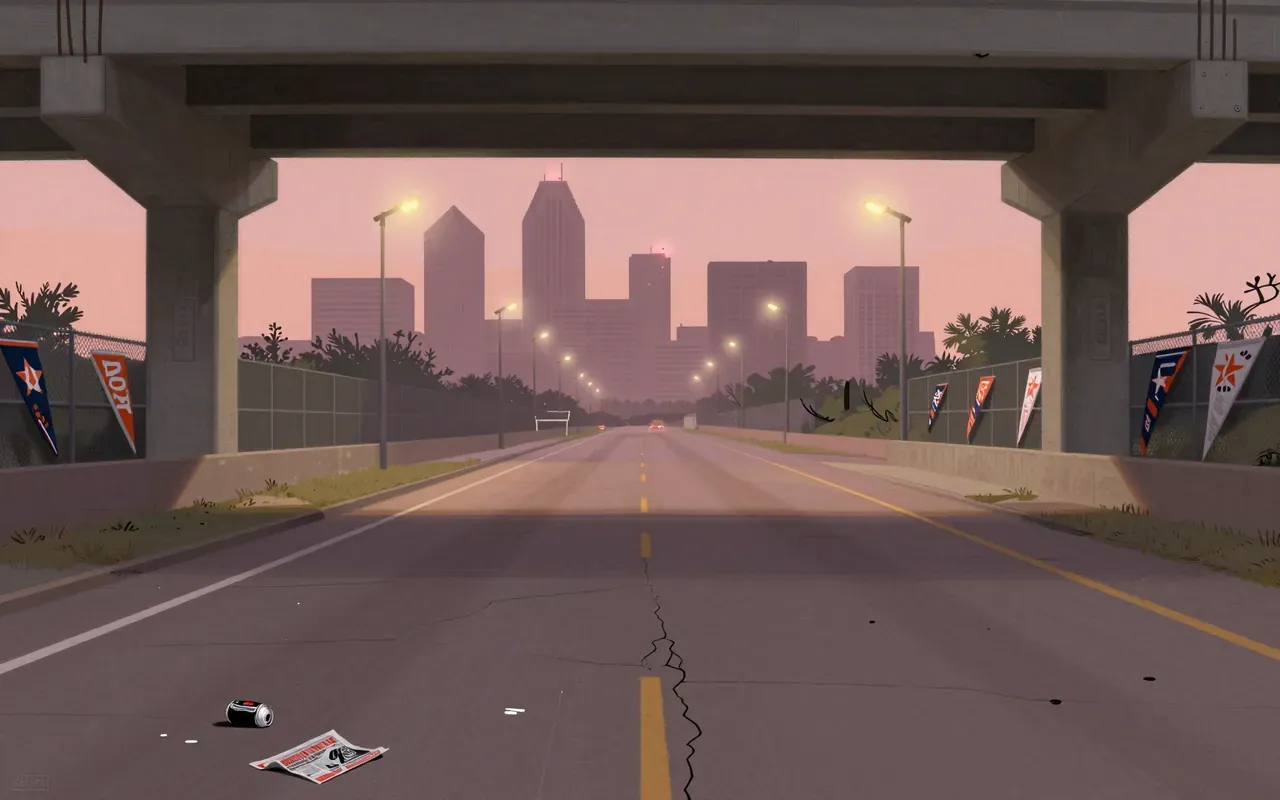
ASTROWORLD is Travis Scott’s third studio album, named after the defunct Houston theme park. Recorded between 2016 and 2018, final sessions took place in Hawaii with Mike Dean, Nav, Frank Dukes, Sonny Digital, WondaGurl, Sheck Wes, Gunna, Wheezy, Don Toliver, Allen Ritter and Amir 'Cash' Esmailian. Mike Dean played keyboards on track 4, guitar on track 17, and synthesizer on track 17. Stevie Wonder played harmonica on track 5. John Mayer played guitar on tracks 8, 11 and 13. Sheldon Ferguson played guitar on track 12. Nineteen85 played bass on track 17. Isaiah Gage played cello on track 17. The album was released on August 3, 2018, debuted at number one on the Billboard 200 with 537,000 album-equivalent units in its first week, and was met with widespread critical acclaim.

11:48

British Steel

Judas Priest · 1980

British Steel is where heavy metal became legible — not through myth or volume, but through repetition, physical sound-making, and radio discipline.

8:42

Inception

Hans Zimmer · 2010

Inception is not ambient. It is architectural. It is not nostalgic—it weaponises nostalgia. It does not breathe—it pulses.

13:00

Selected Ambient Works, Volume II

Aphex Twin · 1994

Aphex Twin's second album moves almost entirely into slow, largely beatless ambient composition, built from old analogue synthesizers and, by Richard D. James's own account, half-remembered fragments of dream. Nearly all twenty-four tracks went out untitled, leaving fans to name pieces that reward patient, undistracted listening across a two-and-a-half-hour running time.