What the record is and where it came from
Released in 1973, Lonesome, On’ry and Mean followed Waylon Jennings’s struggle for greater artistic freedom at RCA. The album belongs to the period in which that control became central to his identity. The useful question is what a singer can do differently when decisions about recording move closer to him.
How it sounds, and how it was made
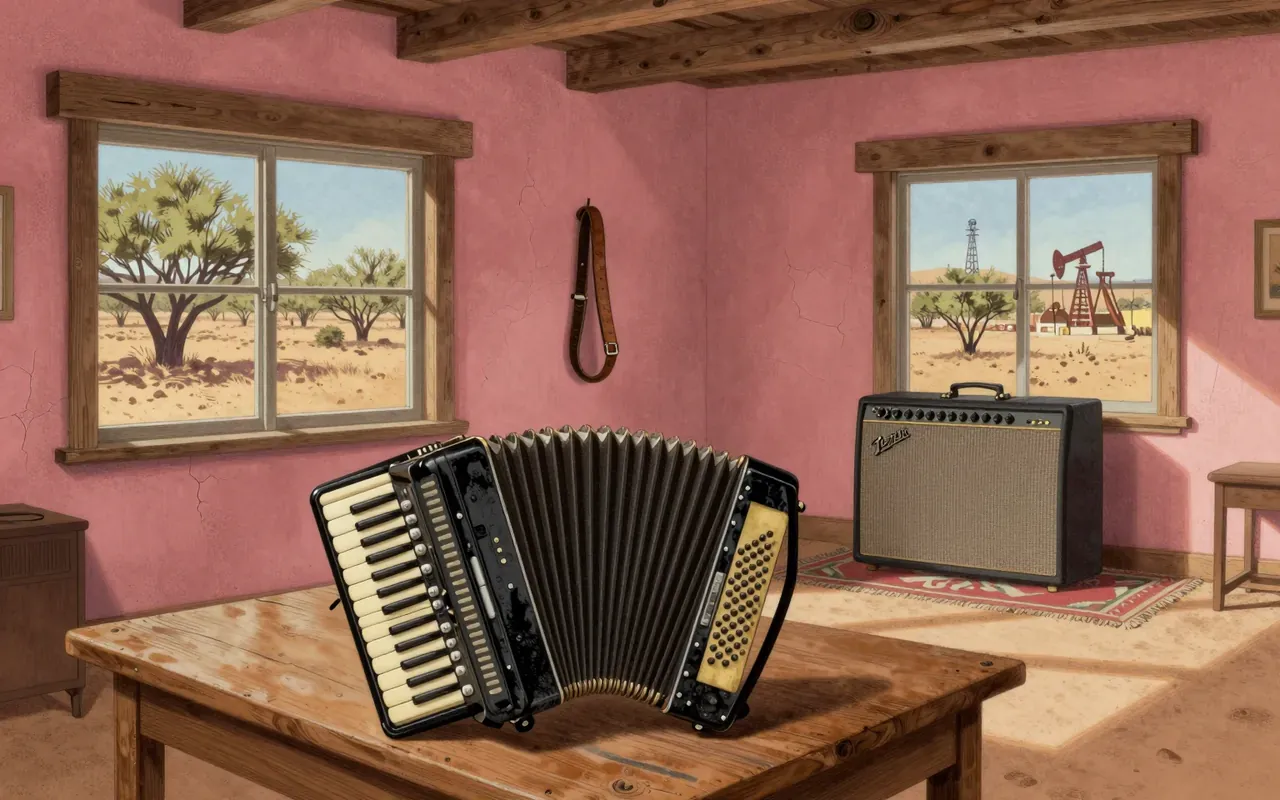
Jennings took a production role within a sound that retains acoustic, electric and steel guitars, piano, bass and drums. Ralph Mooney and Pete Drake are among the steel players; “You Can Have Her” also has a string arrangement by Glen Spreen. Independence did not require abandoning country instrumentation: the singer’s authority concerns how the material and its setting are chosen.
What lands
The title establishes loneliness and difficult temperament as related conditions. That gives the album a more interesting frame than rebellion alone: independence can carry a cost, and a singer can make that cost part of the appeal. The material allows Jennings’s interpretive identity to occupy the foreground.
What does not
The outlaw-country label can promise a radical break that an individual song need not deliver. Listeners expecting permanent aggression or wholesale rejection of country convention may overlook the record’s investment in the form. Its change is one of authority and emphasis, not a requirement to sound unfamiliar at every turn.
The ideas inside it
Creative freedom matters through concrete decisions. Who chooses the songs, the setting and the performance can affect the relationship between a singer and his material. The album’s history gives those choices stakes without replacing the songs themselves.
Who should hear it, and who should not
Hear it if the sound of an individual singer working within country interests you. It is less useful when you want the genre’s history reduced to a clean opposition between rebels and an establishment.
Is it worth your time
Yes. Treat the independence as the condition for the performances, then judge what Jennings makes of the freedom.