What the record is and where it came from
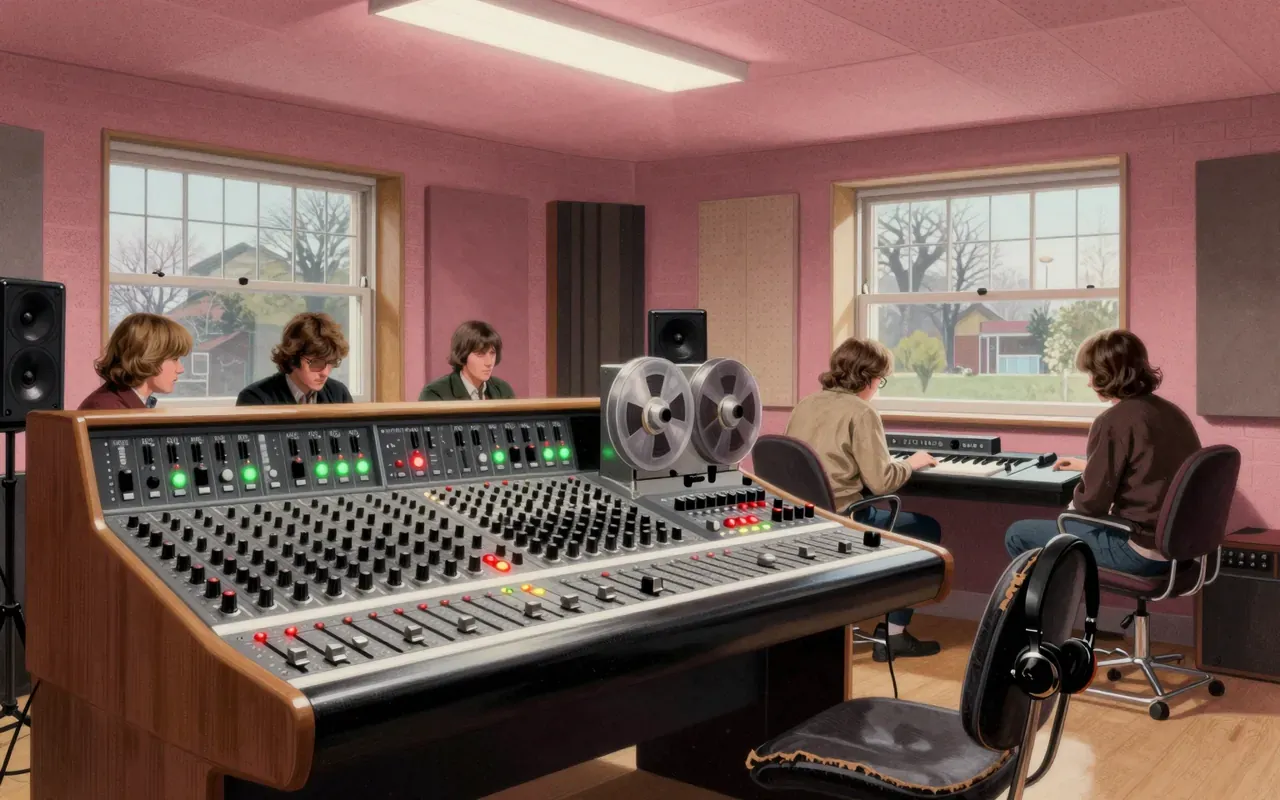
Look-Ka Py Py is the Meters’ second studio album, released in 1969 and produced by Allen Toussaint. The instrumental quartet offers a particularly clear view of its working parts. With no lead singer to organise attention, the relationships inside the band become the main event.
How it sounds, and how it was made
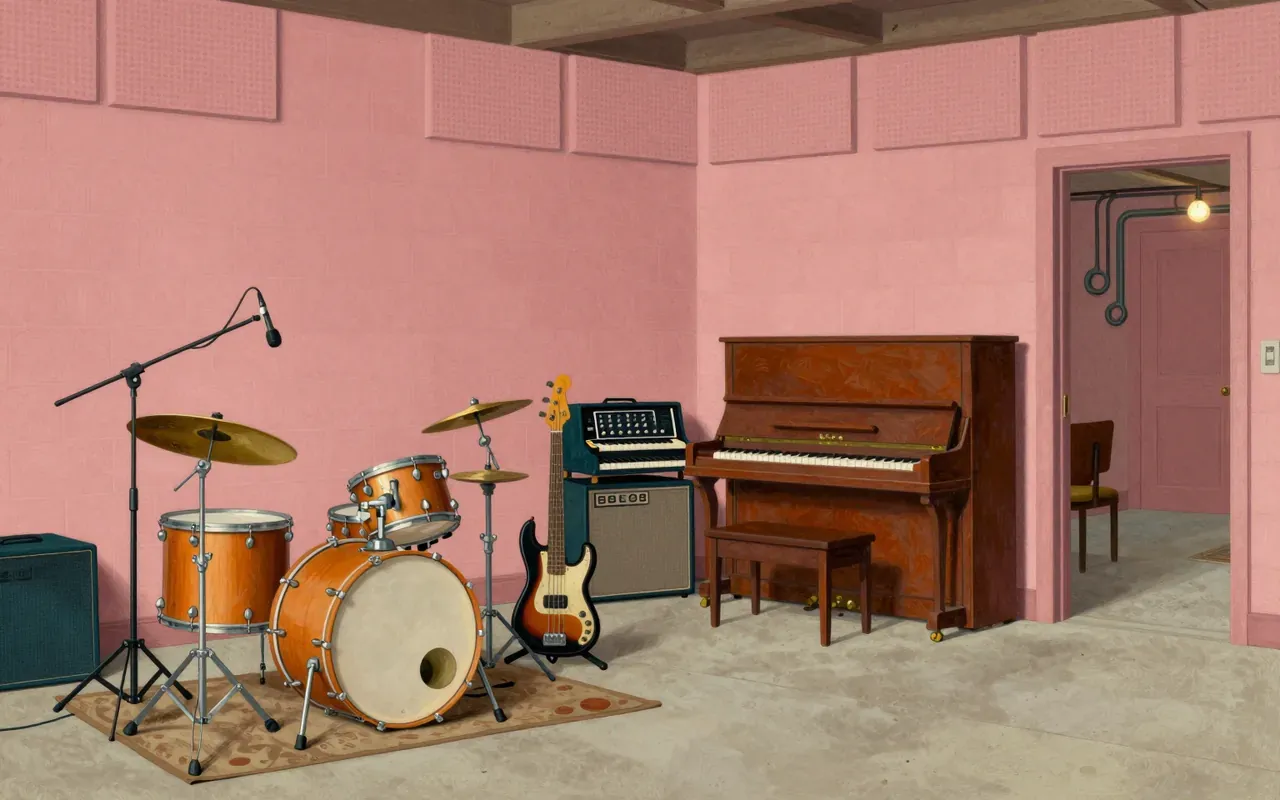
Art Neville plays organ, Leo Nocentelli guitar, George Porter Jr. bass and Zigaboo Modeliste drums. The guitar’s economy leaves room for the organ, while the drums remain conspicuous within the group. The sound depends on distinct contributions fitting together without everyone filling every available opening.
What lands
The title track is a direct way into that organisation. The pleasure comes from noticing how much character a spare part can retain when placed against the others. An instrumental setting does not mean the music lacks a foreground; attention can move among the four musicians.
What does not
Listeners who rely on lyrics or dramatic structural changes may find the scale too restricted. The band’s restraint is easier to recognise with close attention than during distracted playback. A demand for constant solo display can also obscure what the arrangements are trying to accomplish.
The ideas inside it
Restraint is a form of active participation. Leaving space gives another player somewhere to work and makes an individual contribution more consequential. The album offers a musical account of cooperation in which the parts keep their character while depending on one another.
Who should hear it, and who should not
Hear it if rhythm itself can sustain your attention. It is less appropriate when a singer, a story or a continually expanding arrangement is necessary to keep you involved.
Is it worth your time
Yes. Follow a different instrument on each pass through the title track, then carry that attention into the rest of the album.