What the record is and where it came from
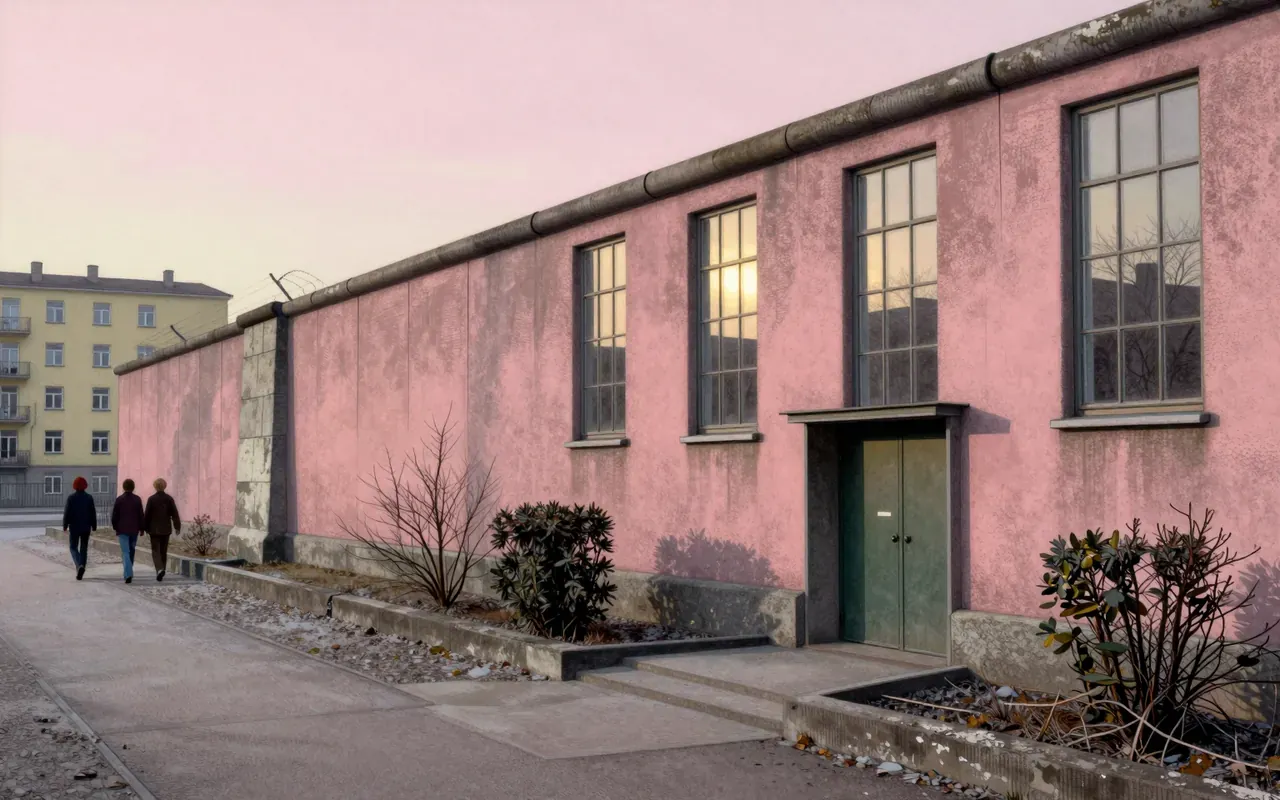
A solo album by Iggy Pop, recorded in eight days at Hansa Studio by the Wall in West Berlin, May–June 1977. It is the second of two acclaimed solo records made with David Bowie after drug rehabilitation. It is not a Bowie record with Pop singing. It is Pop’s record — produced jointly, but authored insistently.
How it sounds, and how it was made
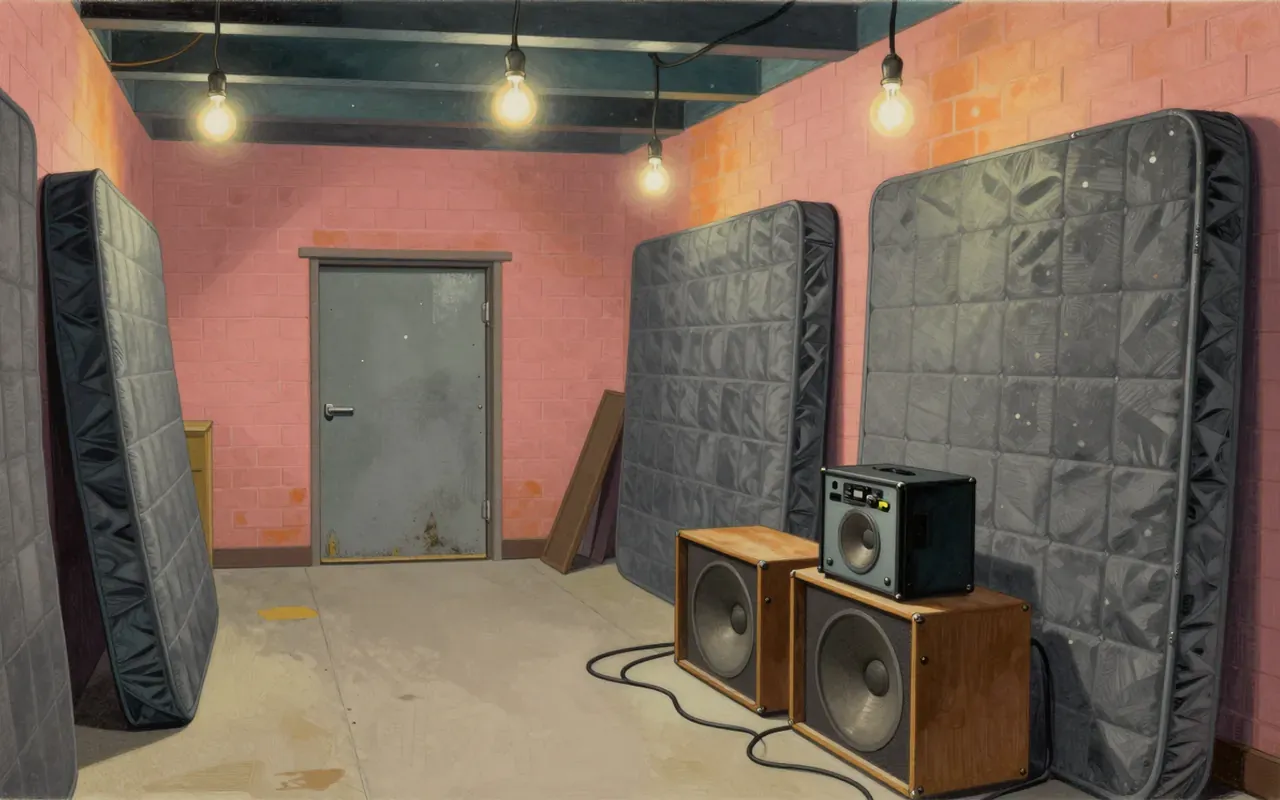
It sounds like a live band in a room — Hansa Studio by the Wall — captured fast, with minimal separation. The Sales brothers lock into a tight, driving rhythm section; Ricky Gardiner’s guitar is present but not dominant; Bowie’s contributions are structural, not ornamental. Pop sings live, improvising lyrics from fragments, rejecting some of Bowie’s arrangements and insisting on his own for tracks like ‘Sixteen’. The production credits go to Pop, Bowie, and engineer Colin Thurston under the pseudonym ‘Bewlay Bros.’.
What lands
The title track’s staccato drum intro lands like a door slamming. ‘The Passenger’ lands with its hypnotic, repeating bassline and detached vocal — a character study built on repetition, not resolution. ‘Sixteen’ lands with Pop’s self-composed arrangement: lean, urgent, unadorned. ‘Fall in Love With Me’ lands with instrument-swapping mid-track — a live decision, not a post-production edit.
What does not
It does not linger in art-rock abstraction. It does not soften its edges for radio. It does not rehearse The Idiot’s textures or Raw Power’s chaos. It rejects Bowie’s suggestions where they slow momentum — as on ‘Success’. It contains no synthesizers, no strings, no backing vocals, no studio effects beyond what the room and tape machine gave it.
The ideas inside it
Authorship as physical exertion. Control as sleepless urgency. Rock as a return to muscle, not memory. The Berlin wall is in the room’s name, not the music — this is not geopolitical allegory, but a hard-wired, bass-and-drum argument against passivity.
Who should hear it, and who should not
People who want to hear how rock can be both controlled and reckless. People who care about who plays what, and why it’s played that way. People who distrust biographical readings that ignore the drum sound, the bass tone, the room’s decay. Not people who need context before listening — this record assumes you’ll start at track one and follow the beat.
Is it worth your time
Yes — if you want to hear Iggy Pop reasserting authorship through sound, not myth. It rewards attention to how little was added, and how much was left raw: no overdubs, no studio gloss, no second takes. It is not a polished document of recovery. It is a document of velocity.