What the record is and where it came from
Howlin’ Wolf’s 1959 debut LP for Chess Records. A compilation of singles recorded between 1951 and 1959 — three in Memphis (1951, 1953), nine in Chicago (1956–1959). Not a studio album. Not conceived as one.
How it sounds, and how it was made
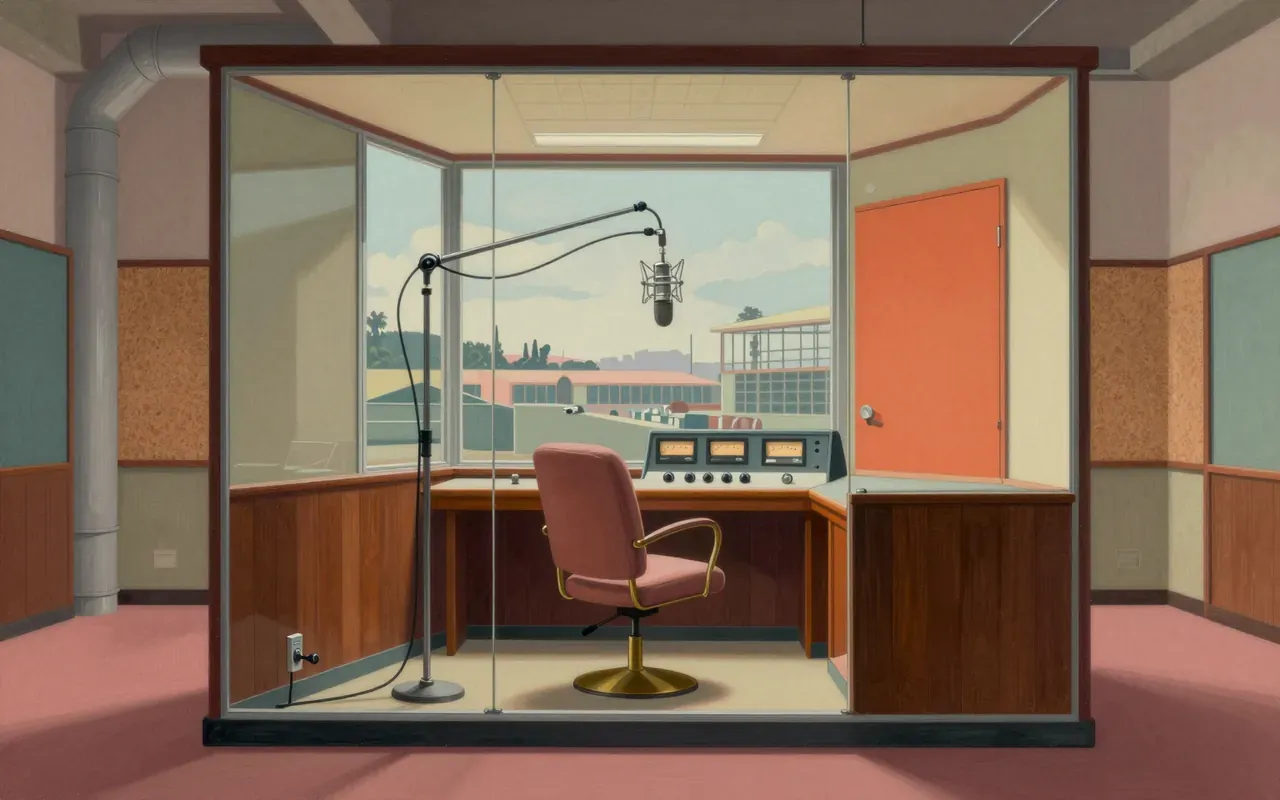
The Memphis tracks are raw and immediate: Sam Phillips’ room, Willie Steele’s drums, Ike Turner’s piano, and Willie Johnson’s distorted power chord on ‘How Many More Years’. The Chicago tracks are denser, produced by Leonard Chess, Phil Chess, and/or Willie Dixon — but the source gives no detail on instruments, room, or production choices beyond those names. No sonic description beyond the power chord is supported.
What lands
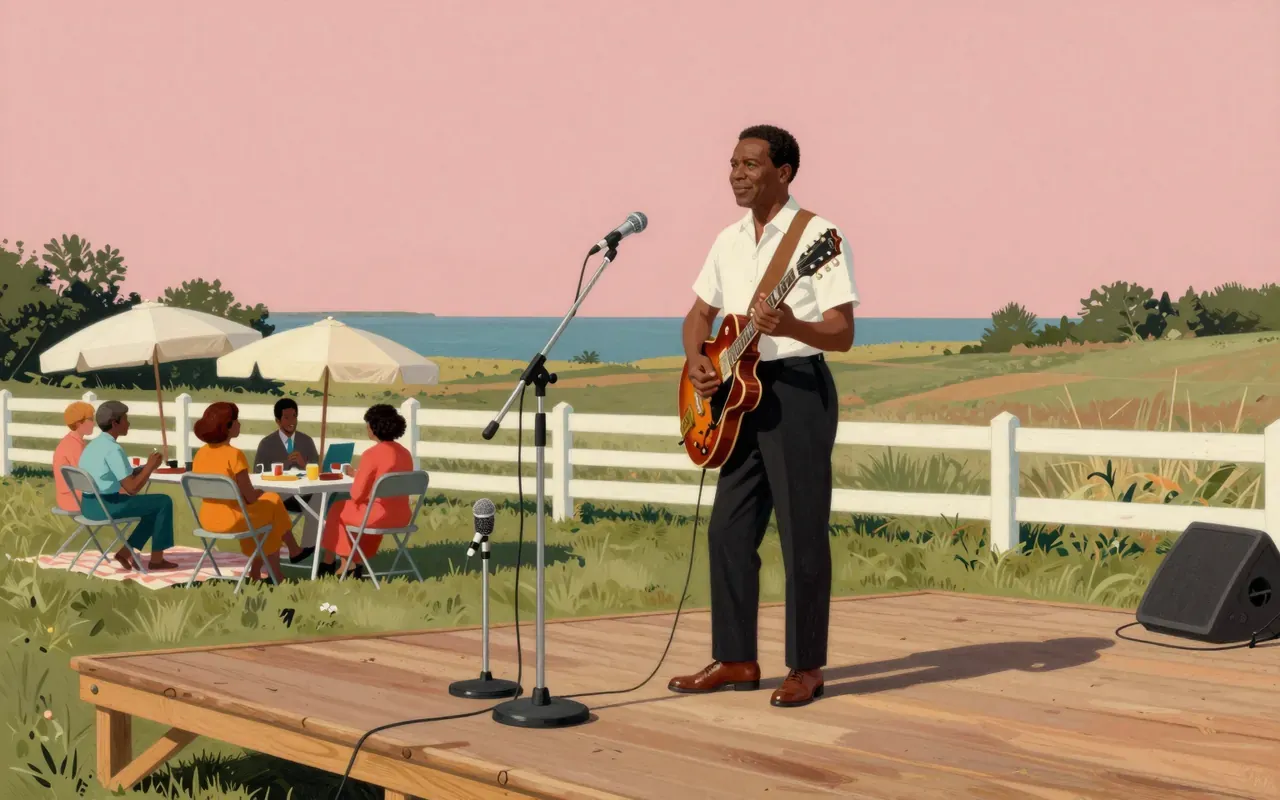
Willie Johnson’s distorted power chord lands — the first on record, per Robert Palmer. Wolf’s voice lands — unvarnished, commanding, recorded dry and close in two different rooms. The Memphis tracks land as documents of arrival: raw, urgent, cut before Wolf moved to Chicago.
What does not
It does not cohere as a unified statement. It does not offer new material — only repackaged singles. It does not reveal studio technique beyond personnel and location. It does not include any track recorded after 1959, nor any session detail for the Chicago tracks beyond producer credits.
The ideas inside it
A debut LP assembled from singles. A migration documented in studio locations: Memphis (1951–1953), then Chicago (1956–1959). A record built on contractual obligation, not concept — no theme, no arc, no sequencing logic beyond side breaks.
Who should hear it, and who should not
People who want to hear how electric blues sounded when it was first captured on tape — not mythologised, not remastered, not recontextualised. Not people seeking narrative, cohesion, or sonic innovation beyond what the source verifies.
Is it worth your time
Yes — if you want to hear the foundational electric blues recordings that defined a genre’s physical sound: drum hits, piano decay, guitar distortion, and Wolf’s voice in two distinct rooms, two cities, eight years apart.