musicbriefs
2:30in production/ 2:30 · ceiling 15 min
Jazz

Nighthawks at the Diner

Tom Waits builds a nightclub inside a studio and makes the performance of intimacy the point.

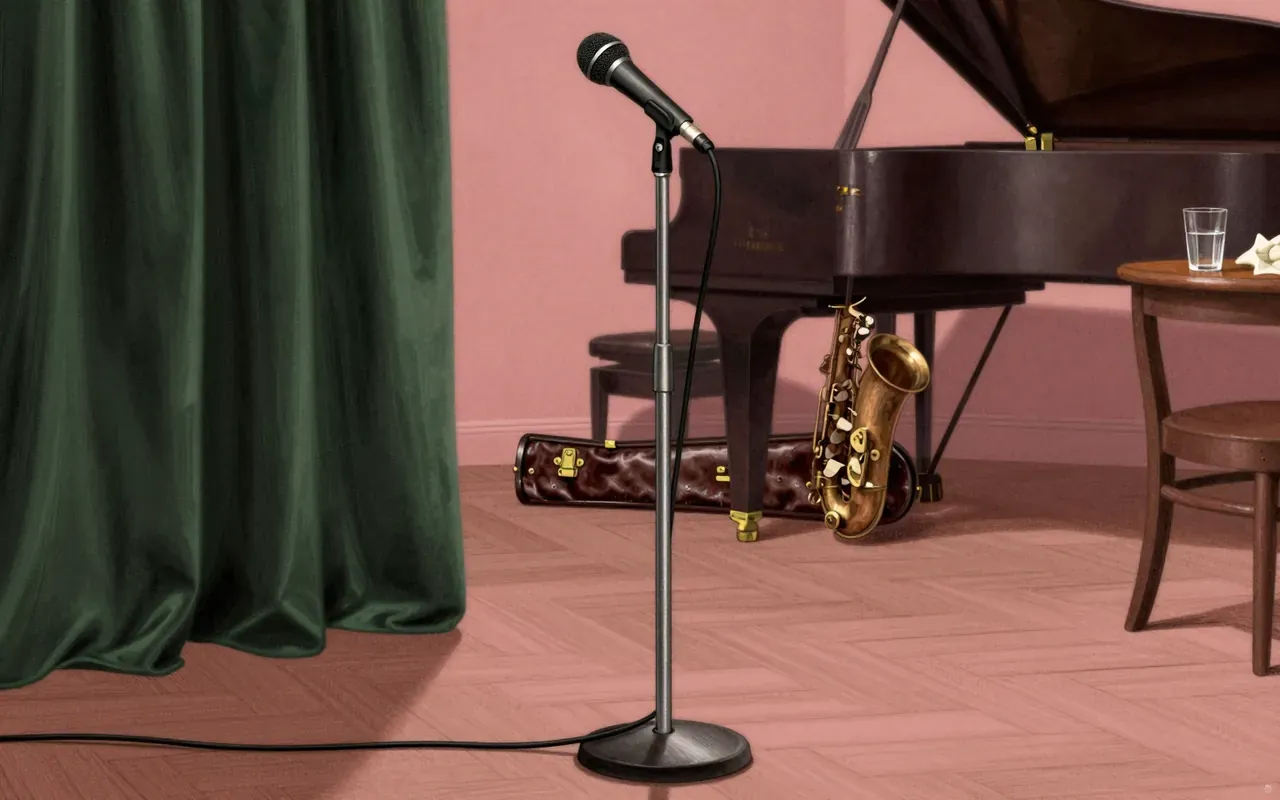
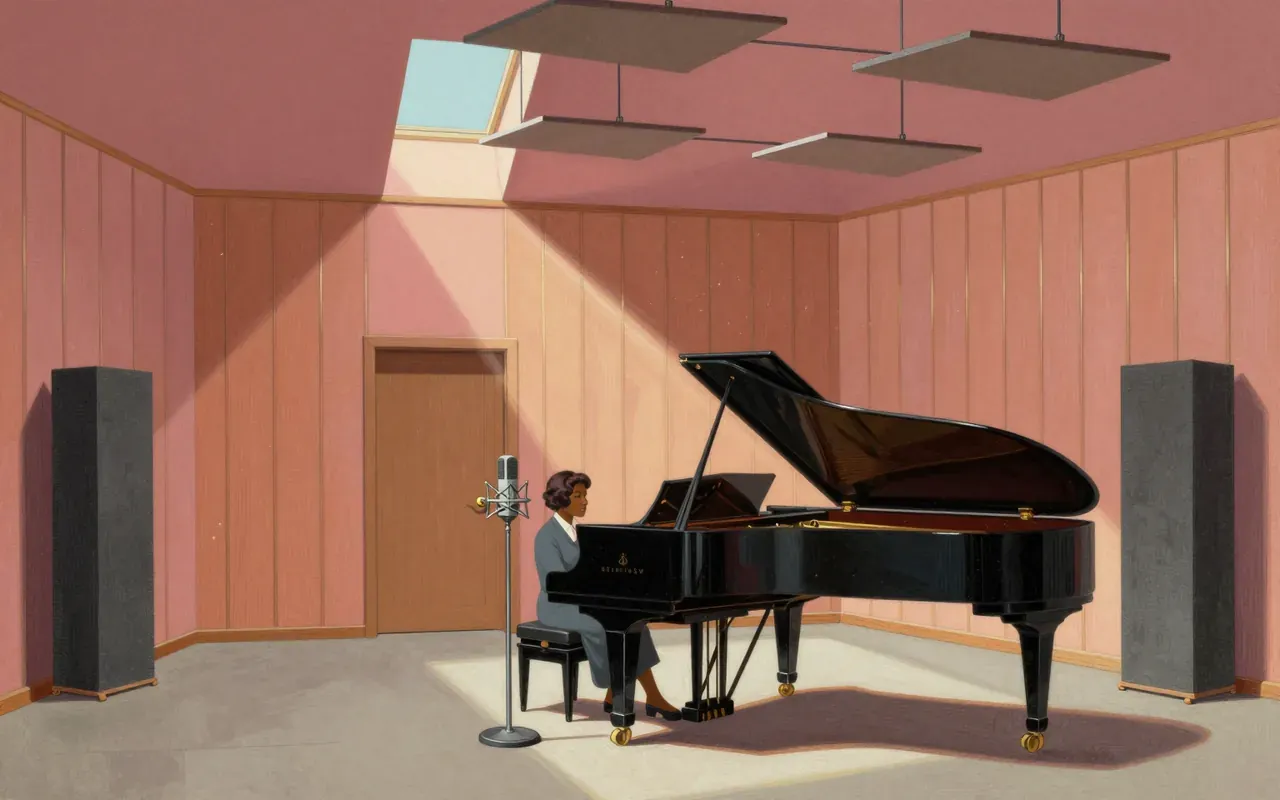
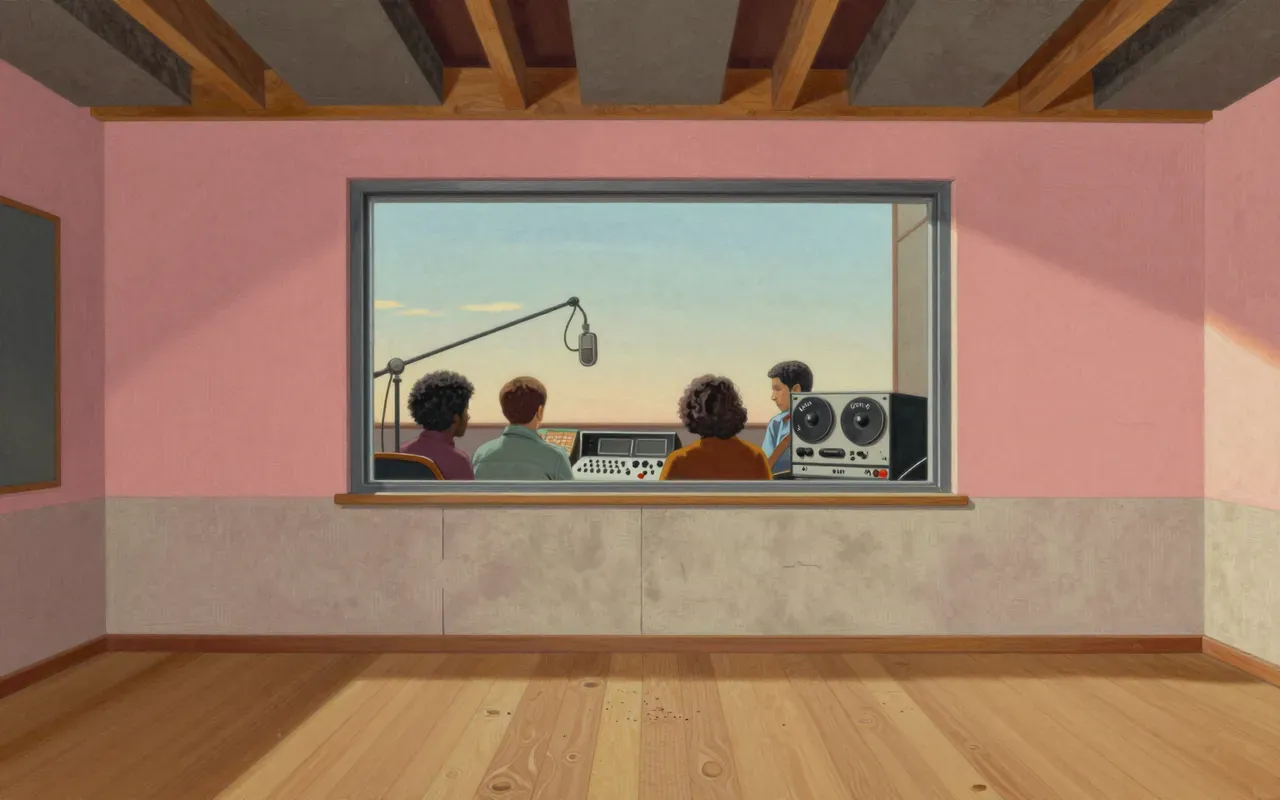
Released in 1975, Tom Waits's third album was recorded at the Record Plant in Los Angeles before an invited audience. Tables, a bar and a small crowd helped turn a studio into a club for four shows over two nights. That arrangement is central to the record: its atmosphere was deliberately made.

Worth your time?

Yes. Hear the whole thing.

What works
    What does not
      Hear it if
      • Listeners who enjoy storytelling and jazz-club performance
      Skip it if
      • Listeners who want songs without extended spoken interludes
      The written brief2 min read

      What the record is and where it came from

      Released in 1975, Tom Waits’s third album was recorded at the Record Plant in Los Angeles before an invited audience. Tables, a bar and a small crowd helped turn a studio into a club for four shows over two nights. That arrangement is central to the record: its atmosphere was deliberately made.

      How it sounds, and how it was made

      The band includes Pete Christlieb on tenor saxophone, Jim Hughart on upright bass, Bill Goodwin on drums and Mike Melvoin on piano and electric piano, alongside Waits. Their jazz backgrounds gave the spoken and sung material an ensemble capable of following it.

      Hughart recalled several days of preparation before the recording. The result’s apparent informality should not obscure that work. A conversational performance can depend on substantial rehearsal.

      What lands

      “Emotional Weather Report,” “Eggs and Sausage” and “Nighthawk Postcards” offer entrances into a record built from scenes, speech and musical accompaniment. Waits’s character is inseparable from the setting, but the band prevents the setting from becoming only a monologue with decoration.

      The strongest decision is allowing the audience to be present. The record becomes an exchange, with listeners inside the room helping establish the scale of the performance.

      What does not

      The spoken material asks for tolerance of a carefully maintained persona. If that voice strikes you as mannered, extra detail can compound the irritation. This is also an awkward choice when you want a sequence of songs that stand independently of their introductions and surrounding business.

      The ideas inside it

      An invented place can still contain a real encounter. The studio nightclub is artificial, while the performers and their audience are actually responding to one another. The album makes that relationship more interesting than a simple distinction between authentic and staged.

      Who should hear it, and who should not

      Hear it if you like the overlap of songs, comedy, character and small-group jazz. Skip to another Waits record if spoken interludes routinely interrupt your enjoyment.

      Is it worth your time

      Yes. Take it as an evening with a performer rather than background music. The constructed room is the frame that lets the stories and the band belong together.
      Same genre · Jazz4 of 167
      9:17
      Songs for Distingué LoversBillie Holiday · 1958Songs for Distingué Lovers is Billie Holiday’s eighth studio album, recorded in early January 1957 at Capitol Studios in Los Angeles under producer Norman Granz. It features interpretations of standards from the Great American Songbook performed with a small jazz ensemble, reuniting Holiday with longtime collaborators Harry Edison and Ben Webster. The original track listing comprises six songs, with a 1997 reissue adding six bonus tracks drawn from the same sessions and other late-1950s Verve albums. Personnel varied across tracks, particularly on double bass and drums, while core instrumentalists remained consistent throughout the sessions. The album was originally released in mono and stereo formats on Verve Records in 1958.
      10:22
      Interstellar SpaceJohn Coltrane · 1974Interstellar Space is a 1967 duo album by John Coltrane and Rashied Ali, recorded at Van Gelder Studio on February 22, 1967, and released in September 1974. It consists of four tracks — 'Mars', 'Venus', 'Jupiter', and 'Saturn' — each bearing alternate titles in the session sheets. Two further tracks from the same session, 'Leo' and 'Jupiter Variation', appeared on the 1978 compilation Jupiter Variation. The session was minimally planned, cut in one take, and built around Coltrane’s desire for 'more time, more rhythm all around me'.
      9:48
      Like Water for ChocolateCommon · 2000Like Water for Chocolate is a 2000 hip-hop album shaped by studio collaboration across Detroit and New York. Its sound is defined by space, incense-saturated atmosphere, and vocal interplay — not flash or density. It establishes Common as a thinker who works best in dialogue: with Jay Dee, with Slum Village, with Questlove, with DJ Premier. It falls short only in its length — the final third drifts without resetting the terms of engagement.
      2:00
      Genius of Modern Music, Volume OneThelonious Monk · 1956This brief covers the first twelve-inch Genius of Modern Music volume, issued by Blue Note in 1956. Earlier ten-inch releases and later CDs organise the material differently. Alfred Lion produced the underlying sessions, making the album a selection from Monk's early recording work rather than a new 1956 session.
      Up next in Music

      Norman Fucking Rockwell!

      Lana Del Rey · 2019 · 2:00

      Lana Del Rey lets soft-rock space hold both romantic attachment and disappointment in the American picture.

      2:00