What the record is and where it came from
Speak & Spell is Depeche Mode’s debut album, recorded in 1981 after three pre-album singles. It collects songs the band had played live for a year, plus a few new ones. Vince Clarke wrote most; Martin Gore wrote two. Daniel Miller co-produced using an ARP 2600 and an 8-track system.
How it sounds, and how it was made
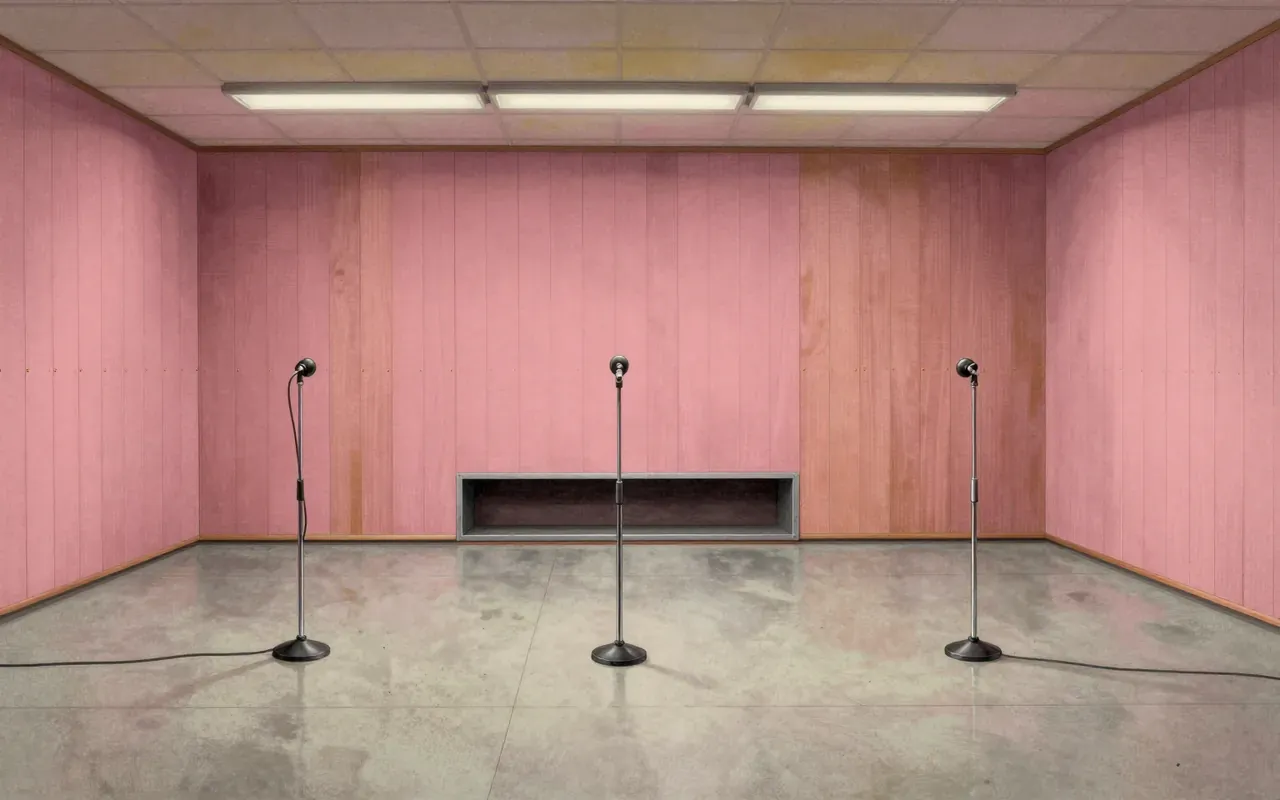
It sounds like three people playing synthesizers live in a room with an 8-track machine. The ARP 2600 provides the core tones. Each synth has a traditional role: lead, bass, rhythm. There are no overdubs. The room is not described, but the recording method forces immediacy and limits layering.
What lands
‘New Life’ lands: bright, insistent, built on a single sequenced bass pulse and two interlocking synth lines. ‘Just Can’t Get Enough’ lands: tighter, drier, with a clipped rhythm line and Gahan’s voice pushed forward. Both use repetition as architecture—not mood, not tension, not release.
What does not
It does not develop ideas across tracks. It does not vary texture, tempo, or arrangement logic meaningfully. It does not use silence, space, or contrast as expressive tools. It does not attempt vocal nuance—Gahan’s delivery is flat, functional, uninflected.
The ideas inside it
The album treats pop as a functional system: catchy hooks, clear roles, minimal friction. It assumes electronic instruments can behave like guitars and drums—just with different timbres. It rejects irony, abstraction, or studio-as-instrument thinking. It is built for TV appearances, not headphones.
Who should hear it, and who should not
Synth-pop historians should hear it. Students of early MTV-era production should hear it. Anyone curious how pop sounded when electronic instruments were still treated like acoustic ones should hear it. Fans of later Depeche Mode should not hear it expecting continuity—it shares no sonic or conceptual DNA with their post-Clarke work.
Is it worth your time
Yes—if you want to hear how British new wave synth-pop sounded before it was polished, sequenced, or separated from its live roots. No—if you expect depth, variation, or production beyond what an 8-track and three players could deliver in 1981.