The Soft Bulletin
The Flaming Lips · 1999
The Soft Bulletin is a studio-built symphony of rock and synthesis — no strings, no hedging, no filler. It trades psychedelic chaos for meticulous, emotionally charged construction.
Sound built rather than captured.
The Soft Bulletin is a studio-built symphony of rock and synthesis — no strings, no hedging, no filler. It trades psychedelic chaos for meticulous, emotionally charged construction.

1989 is Taylor Swift’s fifth studio album, released October 27, 2014. It marks her deliberate transition from country to pop. She relocated from Nashville to New York City in March 2014 and titled the album after her birth year to signal artistic rebirth. Songwriting began in mid-2013 on the Red Tour and concluded after the tour ended in mid-2014.
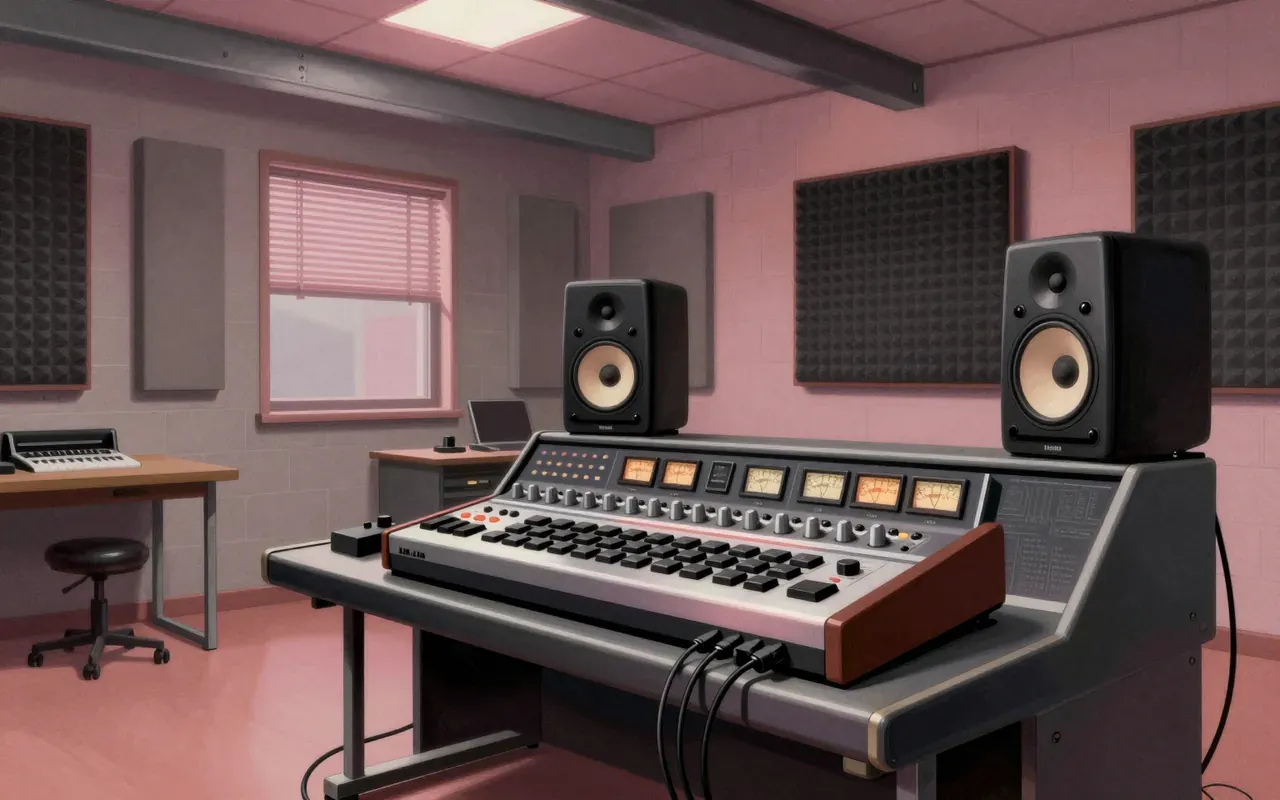
1999 is Prince’s 1982 double LP, his first with the Revolution, defined by synth-and-drum machine-heavy arrangements that codified the Minneapolis sound. It uses ARP Omni, Oberheim OB-SX, OB-X, OB-Xa, OB-8 synths and the Linn LM-1 drum machine. Themes include nuclear anxiety, Computer Age alienation, eroticism, and spiritual gratitude. Its production is tightly controlled, layered, and mechanised—no live drums, no guitar solos, no acoustic piano leads. It landed with urgency, intimacy, rhythmic insistence, theatricality, and groove. It is worth hearing if you want to understand how funk became electronic without losing its body.

Fragile is Yes’s fourth studio album, released in late 1971. It marks Rick Wakeman’s debut and Tony Kaye’s departure over resistance to electronic keyboards. Recorded in August–September 1971 at Advision Studios on a 16-track machine, it features four group compositions and five individual member pieces — a structural choice driven by budget and time constraints. Eddy Offord co-produced with the band. The album introduced Wakeman’s expansive keyboard palette and established the band’s signature progressive sound.
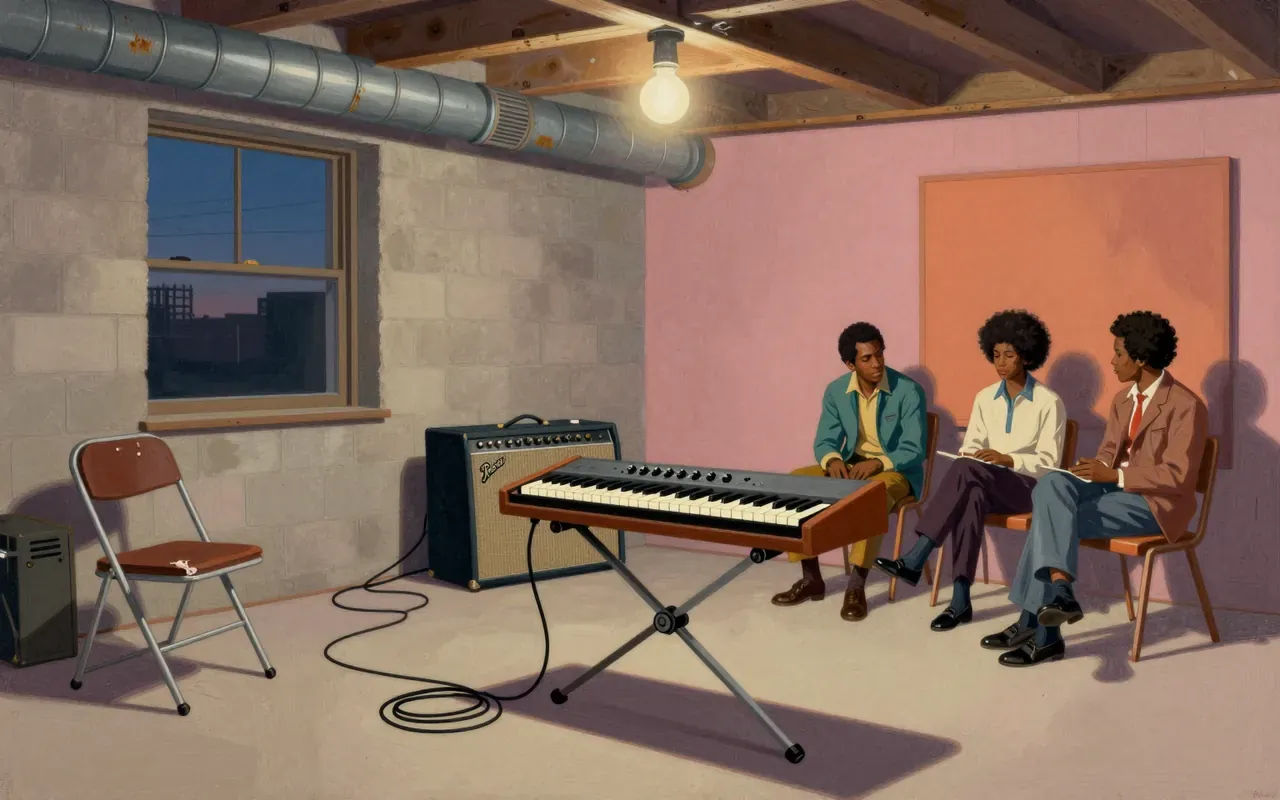
A keyboard-led pivot from Motown’s strings to synthesised soul—tight, live, and decisive.

Speak & Spell is Depeche Mode’s 1981 debut: ten tracks recorded live on 8-track with an ARP 2600, built from songs played live for a year, written mostly by Vince Clarke, co-produced by Daniel Miller. It reached UK #10. Critics split: Melody Maker praised it; Rolling Stone dismissed it as ‘PG-rated fluff’. It established synth-pop as functional pop—not experimental, not atmospheric, not ironic—just direct, repeatable, and built for broadcast.
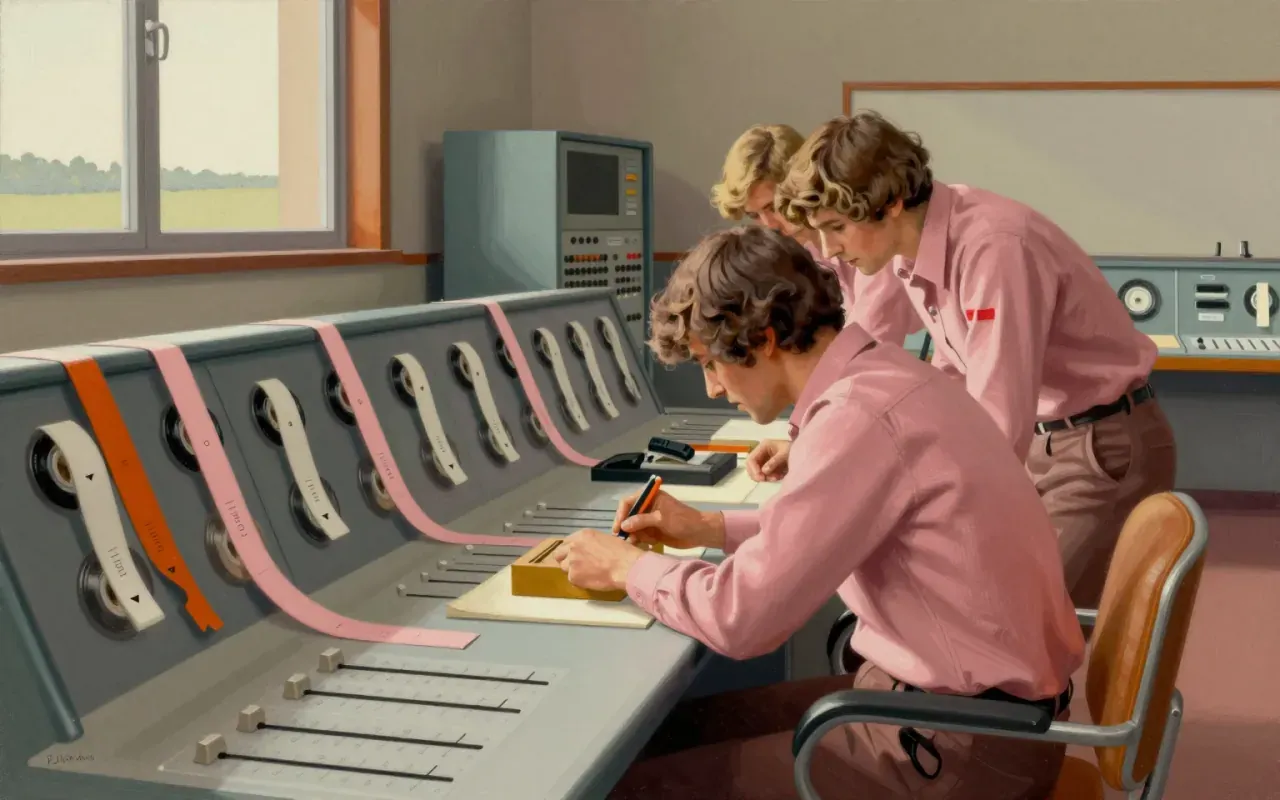
Recorded mainly across April, July and August 1969 at Abbey Road and other London studios, Abbey Road was the Beatles' final recorded album, made under producer George Martin on the condition that the group work with the discipline of their earlier records. Built around McCartney's push for a continuous medley on side two and Harrison's two strongest contributions to the catalogue, it closed the group's studio career with the Moog synthesiser and a solid-state mixing desk giving it a different texture from anything they had made before.
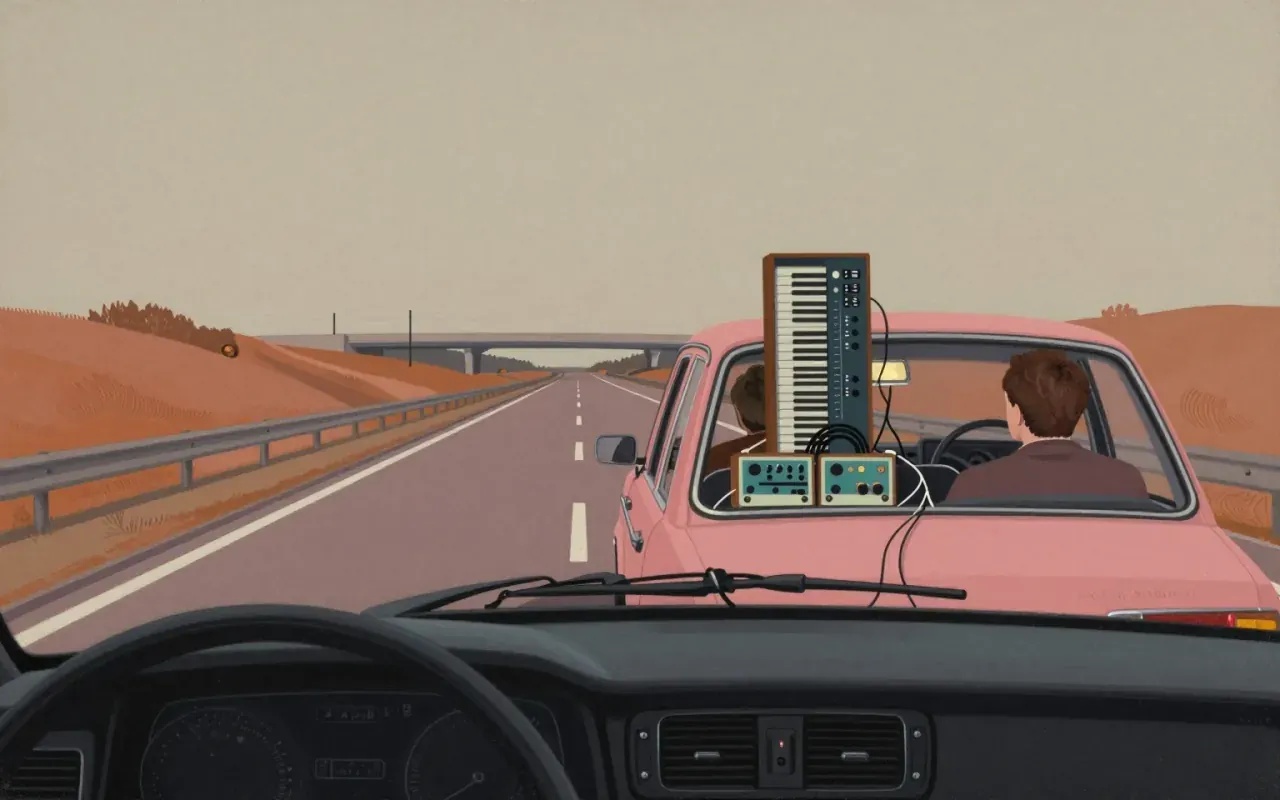
Kraftwerk's fourth album, cut partly at their own Kling Klang studio and mostly at Conny Plank's countryside facility outside Cologne, marks the point where the group traded free improvisation for synthesiser-and-drum-machine pop. The side-long title piece, built to mimic the sound and feeling of a motorway journey, became an unlikely American hit and set the template the band refined for the rest of the decade.
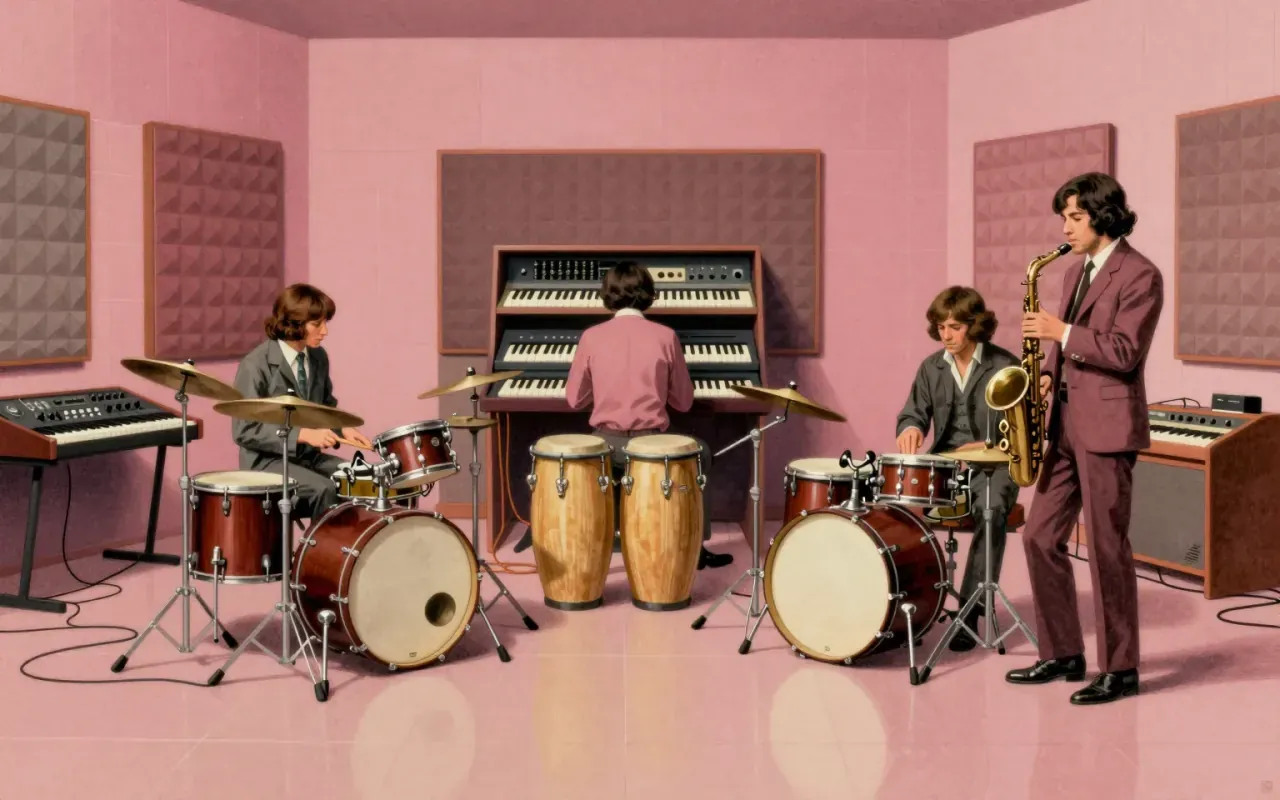
Weather Report's sixth album, recorded at Devonshire Studios in North Hollywood over the turn of 1975 into 1976, leans into African-derived percussion and Joe Zawinul's synthesizer textures rather than the soloistic fusion of earlier records. Wayne Shorter's Lyricon blurs horn and machine, Alex Acuña's congas anchor two drummers, and Jaco Pastorius makes his first, understated appearance on bass across two tracks.
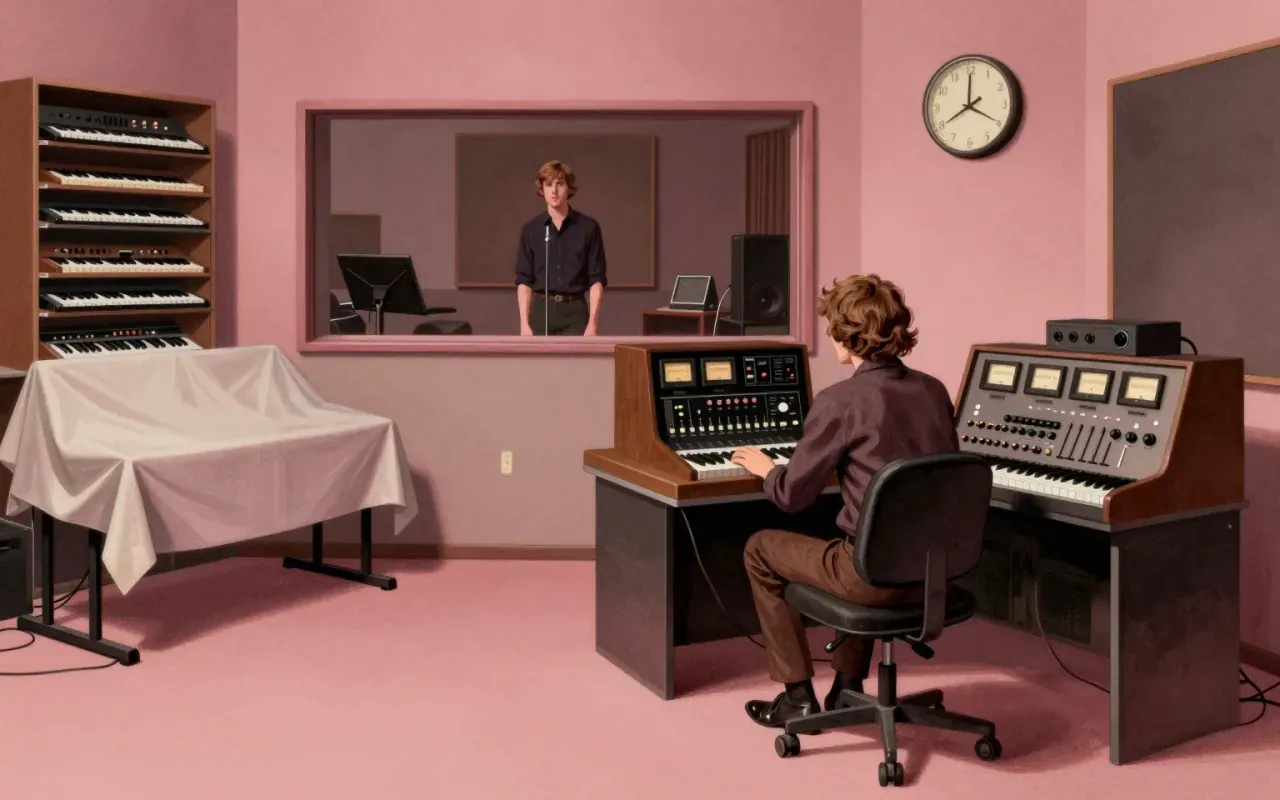
Closer is Joy Division's second and final album, made at Britannia Row Studios in London in March 1980 and released that July, two months after Curtis's suicide. Martin Hannett produced again, pushing further into synthesisers and drum machines than on the debut, while Hook and Sumner still argued with his mixing choices. J.G. Ballard's fiction shaped several lyrics, most directly on the opening track. The record topped critics' year-end lists before its title became impossible to hear as anything but literal.
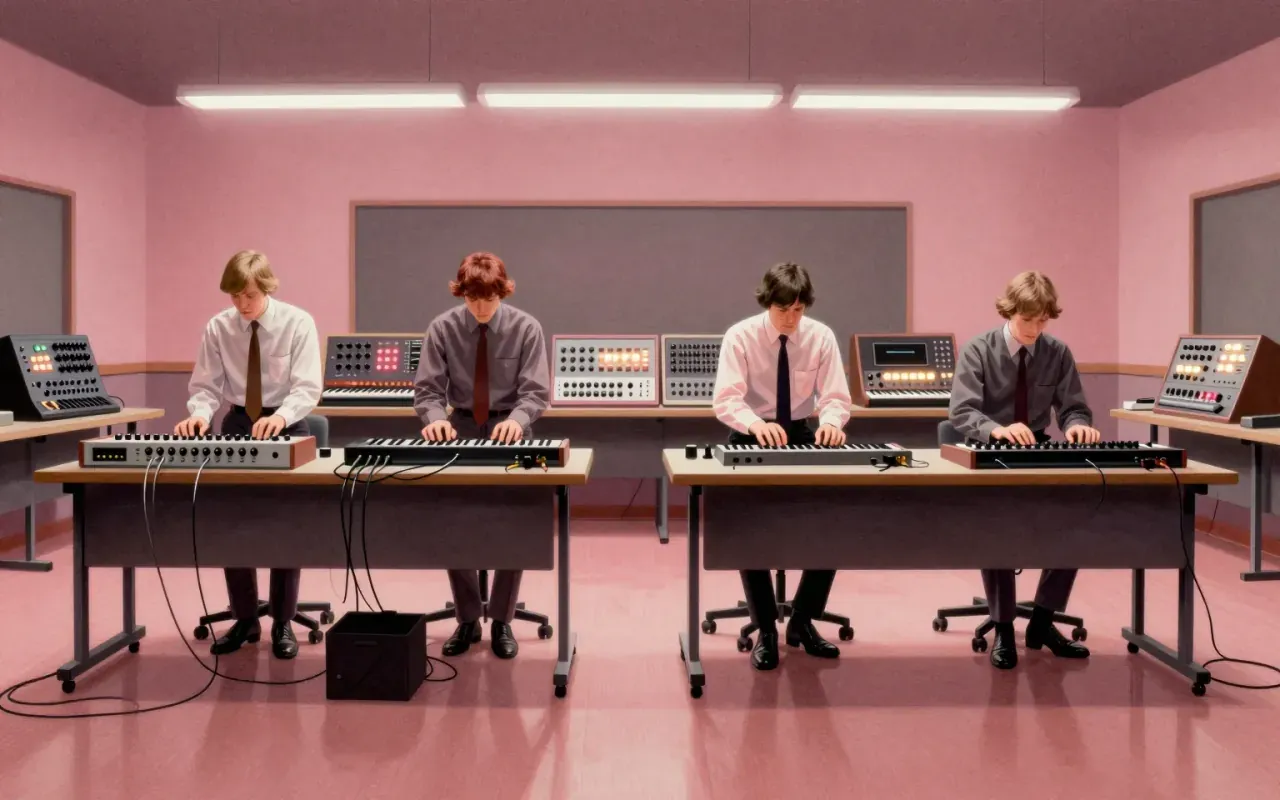
Kraftwerk's eighth album, built at the band's own Düsseldorf studio and released in 1981 in matching German and English editions, imagines home computers, pocket calculators and digital surveillance years before most listeners had encountered any of them. Made without a single piece of computer technology, it went on to shape early hip-hop, electro and dance production far beyond its own modest chart run.
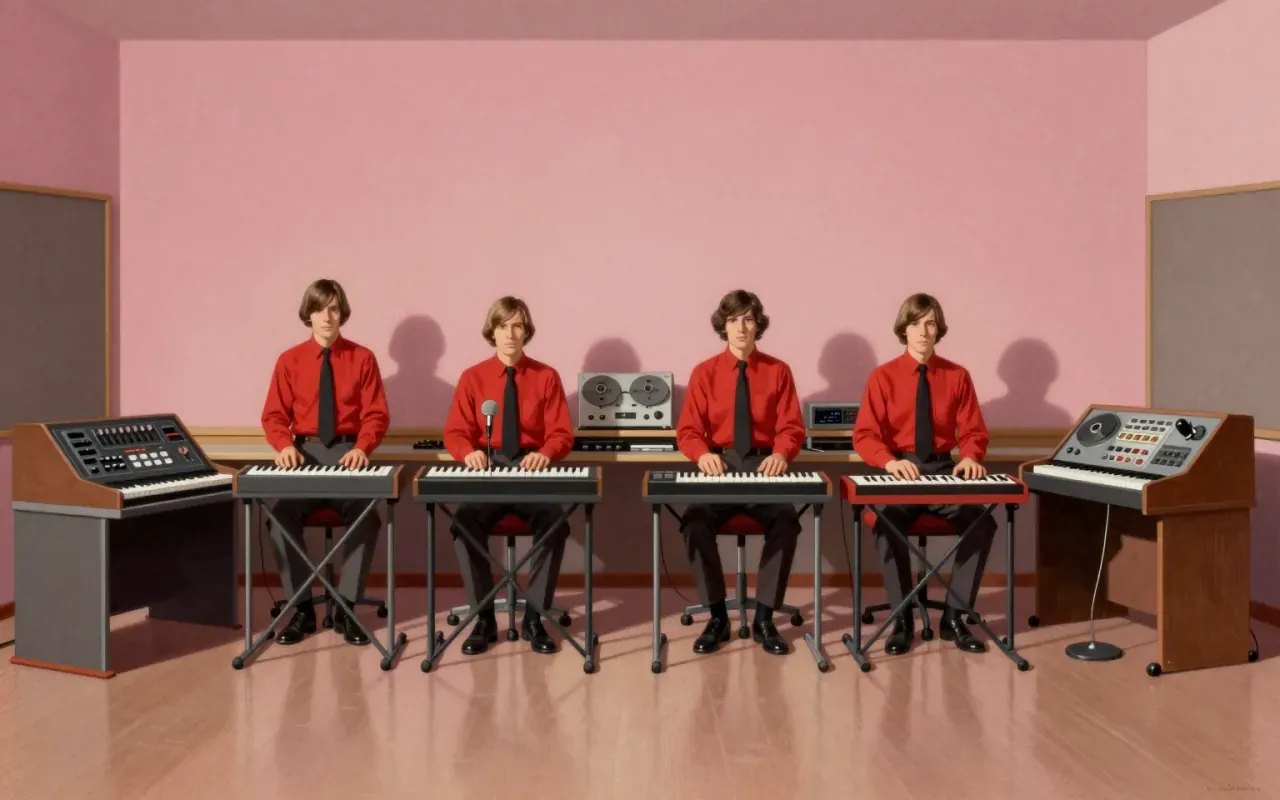
Recorded entirely at the band's own Kling Klang studio in Düsseldorf and released in 1978, this seventh Kraftwerk album pares the group's mechanical style down further and points it toward the dance floor. Six tracks address the Cold War, industrial manufacturing and the growing closeness between people and machines, wrapped in artwork built on Russian avant-garde design, and it left a direct mark on the synth-pop and new wave that followed.
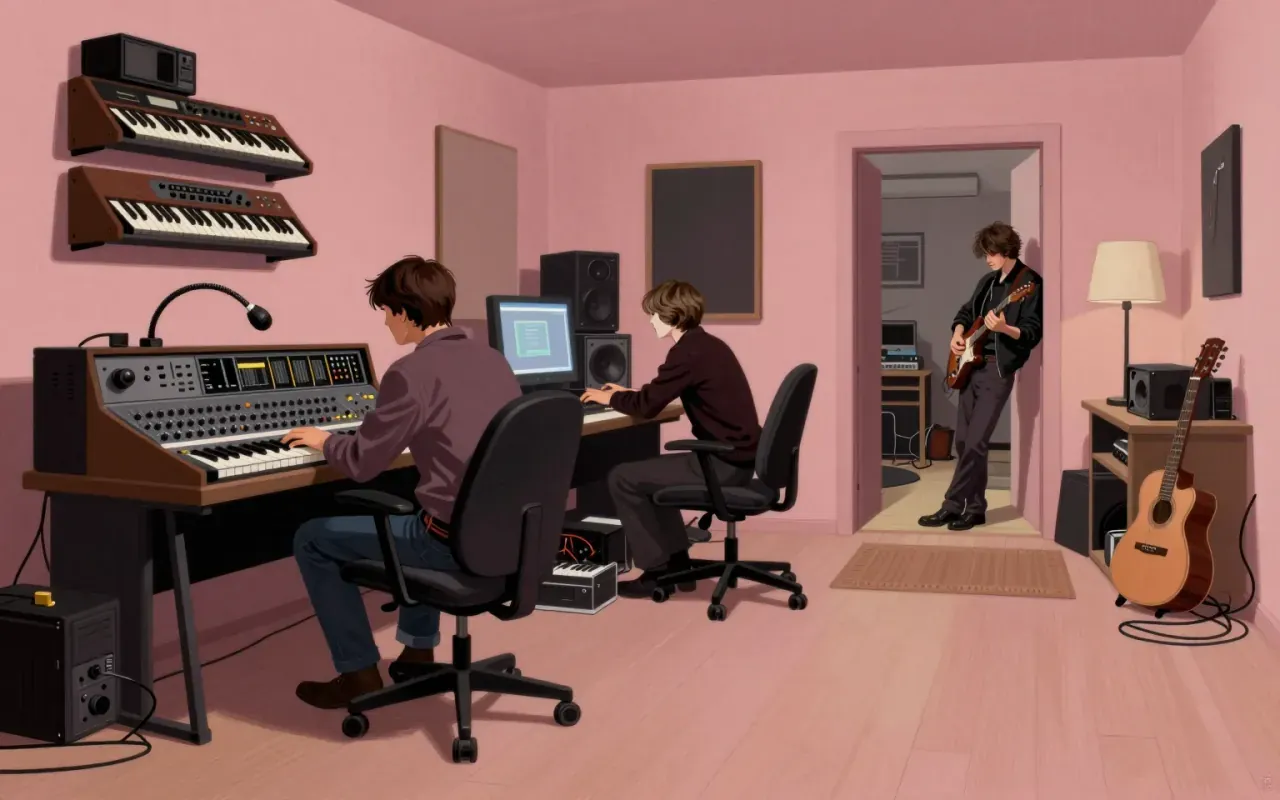
Built at Thomas Bangalter's home studio in Paris over two years, Discovery pairs vintage drum machines and keyboards with heavily processed vocals to turn childhood memory into pop songwriting. It moved the duo from raw club tracks toward a more song-based sound and remains a high point for vocoder-driven dance music.

Made after Bowie left a Los Angeles addiction behind for Europe, Low pairs Tony Visconti's harmonized drum sound with Brian Eno's ambient textures, opening with fractured songs before giving its second side over to instrumental mood pieces.
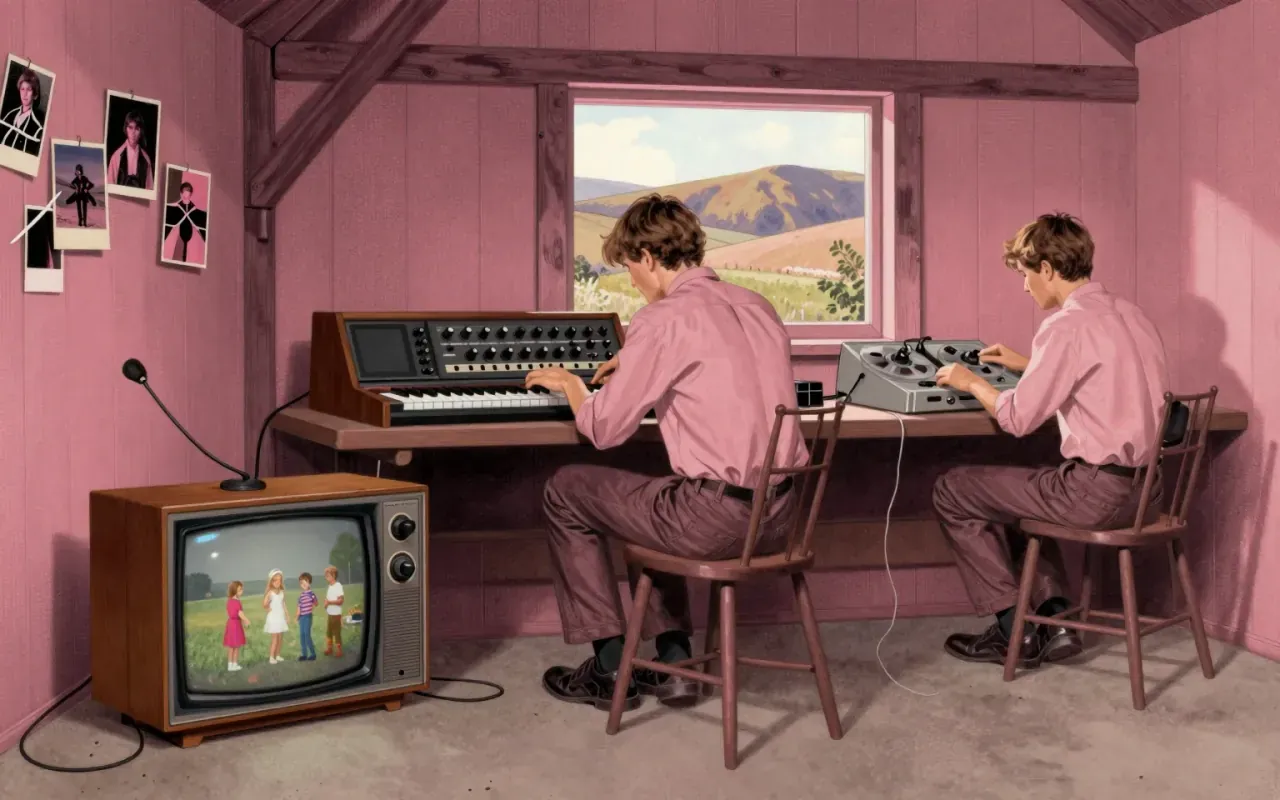
Recorded at their own studio in the Pentland Hills on tape and vintage synthesisers left deliberately out of tune, this debut folds samples of children's television into a haze that sits somewhere between comfort and unease. At seventeen tracks it asks patience of a listener, but its sustained atmosphere remains close to unmatched.

Yellow Magic Orchestra's second album turns Hideki Matsutake's Microcomposer sequencing and Chris Mosdell's English lyrics into fully electronic pop songs, repurposing a watch-commercial jingle into Behind the Mask and naming a coming genre outright in Technopolis, years before Detroit techno existed to claim the word.
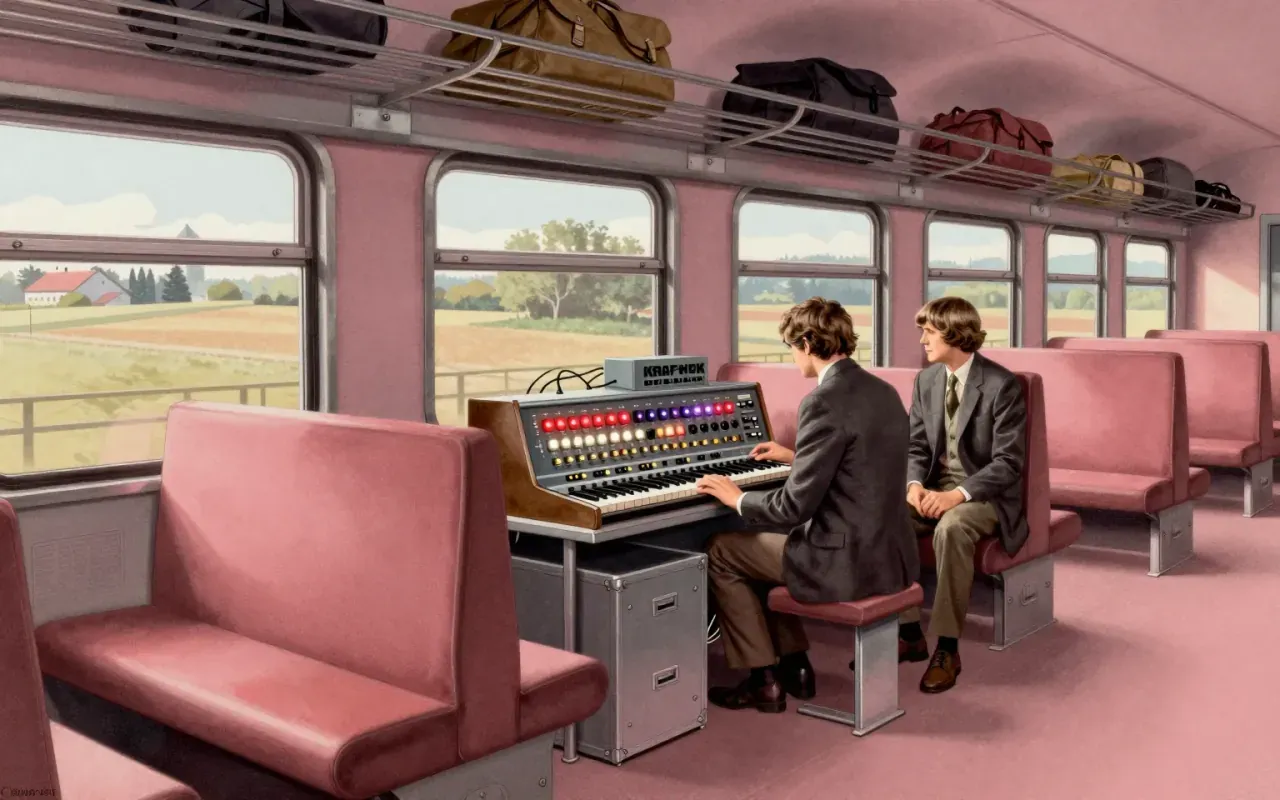
Recorded at the band's own Kling Klang facility in Düsseldorf and finished with sessions in Hamburg and Los Angeles, this sixth Kraftwerk album refines the group's earlier improvised style into tight, sequenced songcraft. Built around a new custom sequencer and versions cut separately in German, English and French, it turns a train service into a symbol for a Europe the band wanted to claim as their own, apart from war-era associations attached to their earlier work.
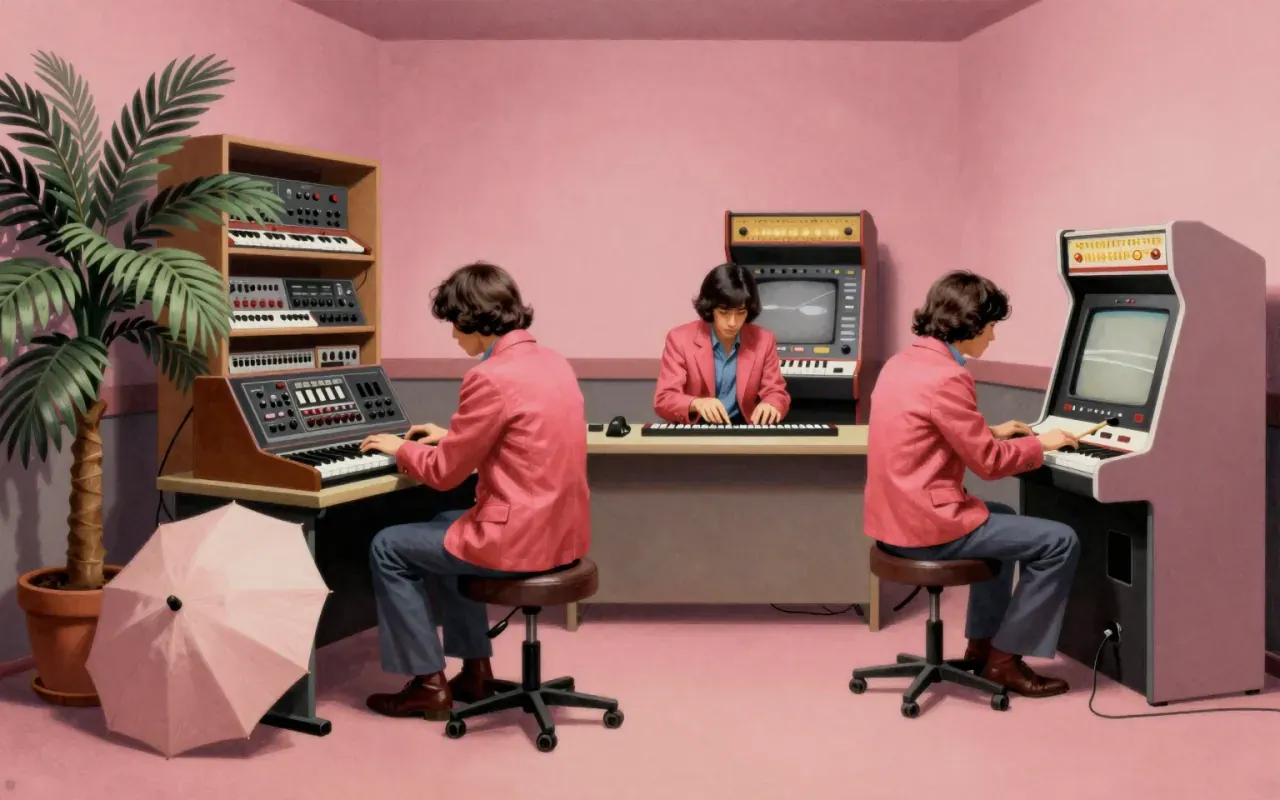
Yellow Magic Orchestra's 1978 debut turned a mocking cover of a 1959 exotica tune into a synth-pop landmark, built almost entirely on a Roland Microcomposer and a rack of early synthesizers. Playful, cool and stranger than its chart success suggests, it is now heard less as a novelty than as an ancestor of electro, techno and much of the sampling culture that followed.