From trio to four-piece
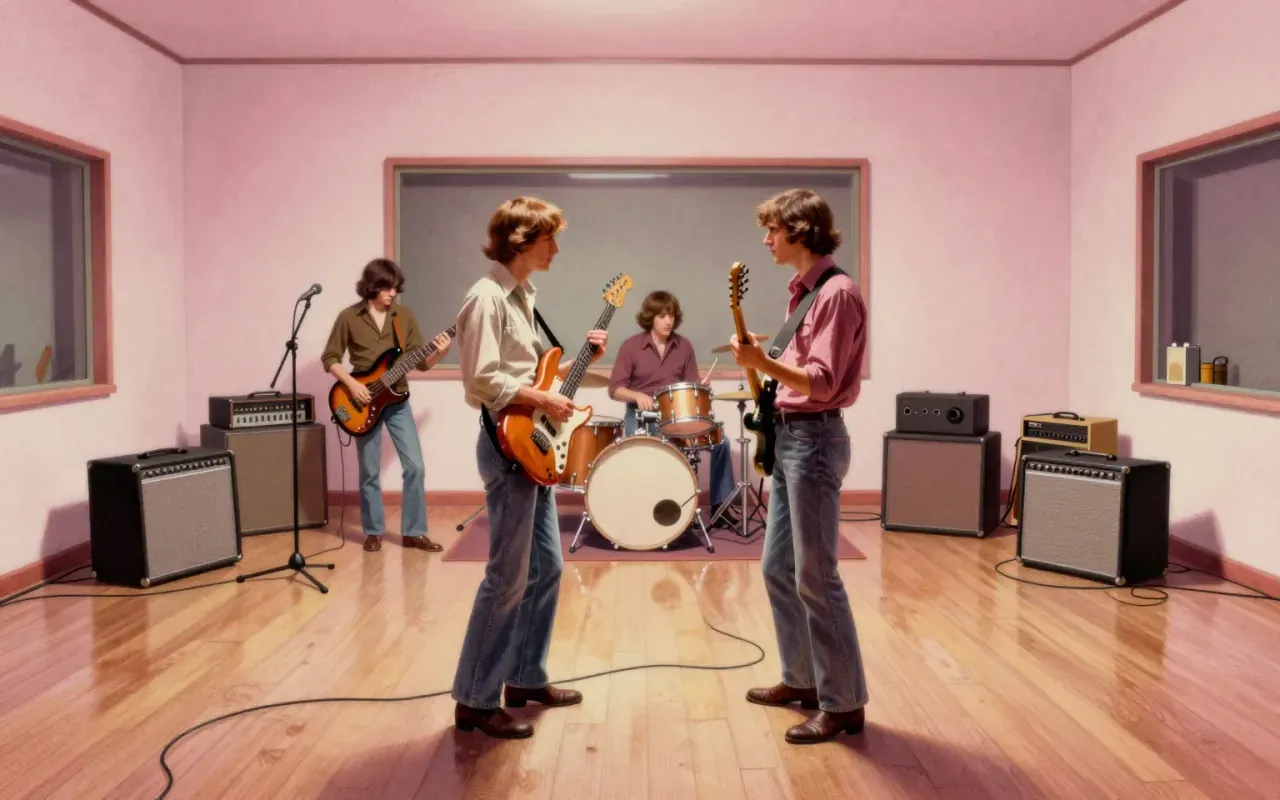
Talking Heads: 77 is the debut studio album by Talking Heads, released in September 1977 on Sire Records. Recording began at Sundragon Studios in New York in late 1976 with the group still a trio, since keyboardist and guitarist Jerry Harrison had not yet been told the band had signed a deal. Once he joined in January 1977, the newly complete four-piece spent time teaching him the material before returning to Sundragon that April to record the album in earnest, working with producers Tony Bongiovi and Lance Quinn and engineer Ed Stasium.
A producer the band worked around, not with
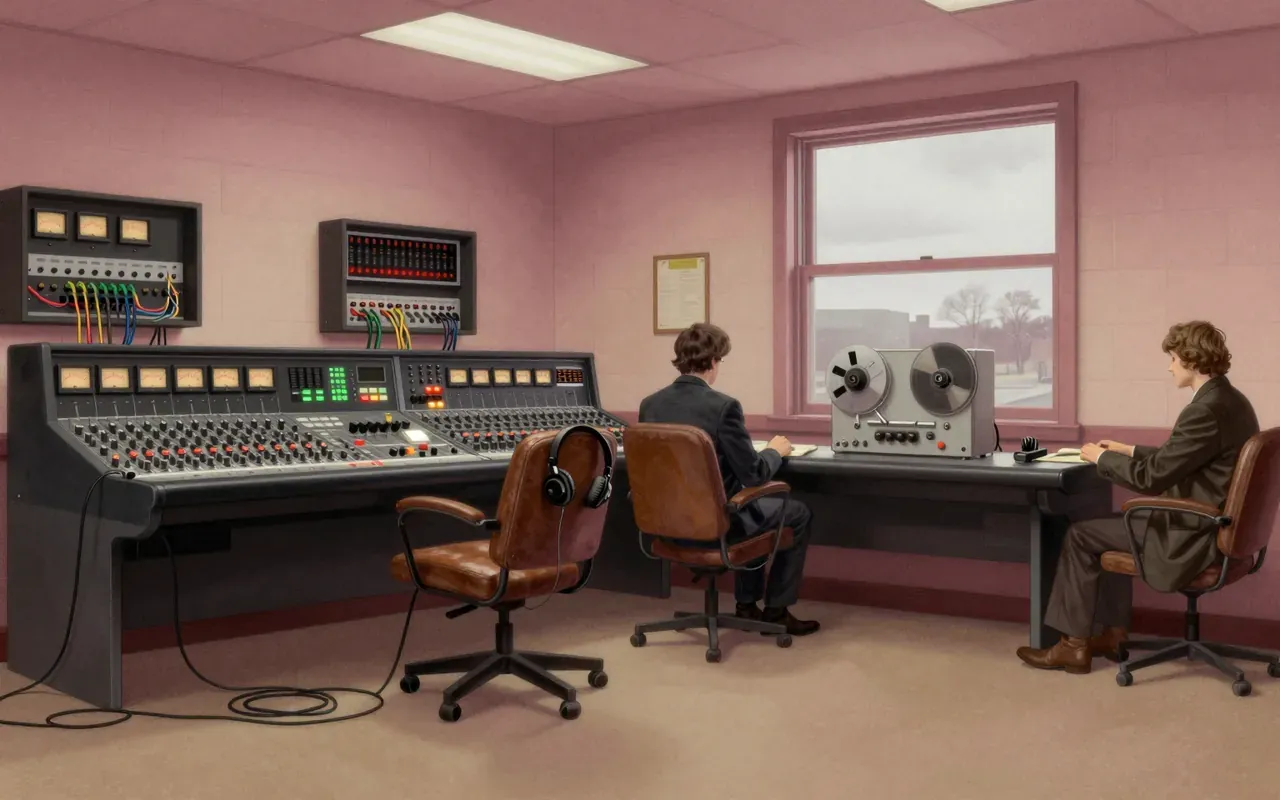
The sessions were marked by open friction between the band and Bongiovi, who repeatedly demanded extra takes even after strong performances had already been recorded and was, by the band’s account, dismissive toward bassist Tina Weymouth. Engineer Ed Stasium and co-producer Lance Quinn are remembered as far more supportive, and at points the band arranged to record certain vocal takes specifically when Bongiovi was out of the room, a workaround Stasium suggested and that apparently went unnoticed by the producer throughout. Basic tracks came together within two weeks, though overdubs still remained.
A European detour mid-session
Partway through the process, the group paused recording to tour Europe supporting the Ramones, promoting an early single along the way. A May performance in London drew several notable figures from the music world backstage afterward, all of whom already knew members of the band personally, and conversation that night touched on production and the group’s future direction. One of those figures had already produced a record for Harrison years earlier, giving the encounter a sense of a scene already tightly connected before this album had even been finished, its members swapping favours long before any of them had a hit to their name.
Famous admirers before the record was even out
Before the tour, the band’s early champions included figures well beyond their own immediate circle. One prominent songwriter invited them to his apartment to critique their live show directly, offering specific notes on pacing and stagecraft as well as unsolicited advice about clothing choices. Several labels had already pursued the band based on demo recordings, and by the time formal sessions began, the group had turned down at least one legal offer on the advice of an outside lawyer who judged the terms unfavourable, choosing patience over the first contract placed in front of them.
Songs about taking charge of an ordinary life
Across most of the record, the lyrics avoid romance or protest in favour of something closer to nervous self-management: songs about untangling a cluttered daily routine, about weighing indecision, about the strange comfort of discipline applied to an otherwise chaotic life. The band has described wanting the album to carry a message about taking responsibility for one’s own circumstances while still remaining, in its execution, playful rather than earnest. That combination of anxious subject matter and clipped, wiry arrangements gives the record its distinct, slightly off-balance energy throughout, more restless than rebellious in its overall temperament.
One dark song among the nervous ones
Set against that nervous, everyday material is one considerably darker character study, sung from inside the mind of someone deeply unwell, which stands apart from the rest of the tracklist in tone and became the album’s most enduring single, later charting modestly on the American singles listing. The gap between that song’s menace and the record’s more anxious but comparatively lighter material gives the album a shape it might otherwise lack, anchoring an otherwise loosely connected set of songs around one genuinely unsettling centrepiece that still unsettles listeners decades after it was first put to tape.
A modest chart debut with a long afterlife
Yes, particularly for anyone interested in where a major art-rock band actually started rather than where they ended up. Commercial returns at the time were modest, but the record has been remastered, expanded and reissued repeatedly since, most recently with a full disc of outtakes and a live recording from the year of release. Heard now, it plays as a document of real uncertainty, a group and a producer working against each other as often as with each other, that nonetheless produced a tighter, stranger record than the circumstances suggested it should.