The Everly Brothers (1958) is their eponymous debut album, produced by Archie Bleyer, featuring only Don and Phil Everly on steel-string acoustic guitars and vocals. It combines rock and roll, country, and pop, pioneering country rock through close-harmony singing — Don on baritone, Phil on tenor — with voices overlapping intricately and subtly. The album includes original material and energetic covers of songs by Little Richard, Gene Vincent, and Ray Charles. It is a consistent debut, though the artists had not yet fully matured.
Film placements are the ones described in each film's own entry, so the list is partial rather than complete.
Worth your time?
Yes. Hear the whole thing.
4/ 5
What works
vocal interplay
'Bye Bye Love' and 'Wake Up Little Susie' locking into grooves with unbroken rhythmic clarity
'Keep a Knockin’' and 'Rip It Up' translating Little Richard’s energy into acoustic precision
What does not
build momentum across the running order
vary timbre — no bass, no drums, no piano, no backing vocals
slow down or open up
use reverb or studio trickery
Hear it if
songwriters
guitar players who work with voice
anyone curious how country rock began
Skip it if
fans of lush arrangements
fans of studio-as-instrument records
Who should hear it, and who should skipHide who it is for
The written brief1 min read
What the record is and where it came from
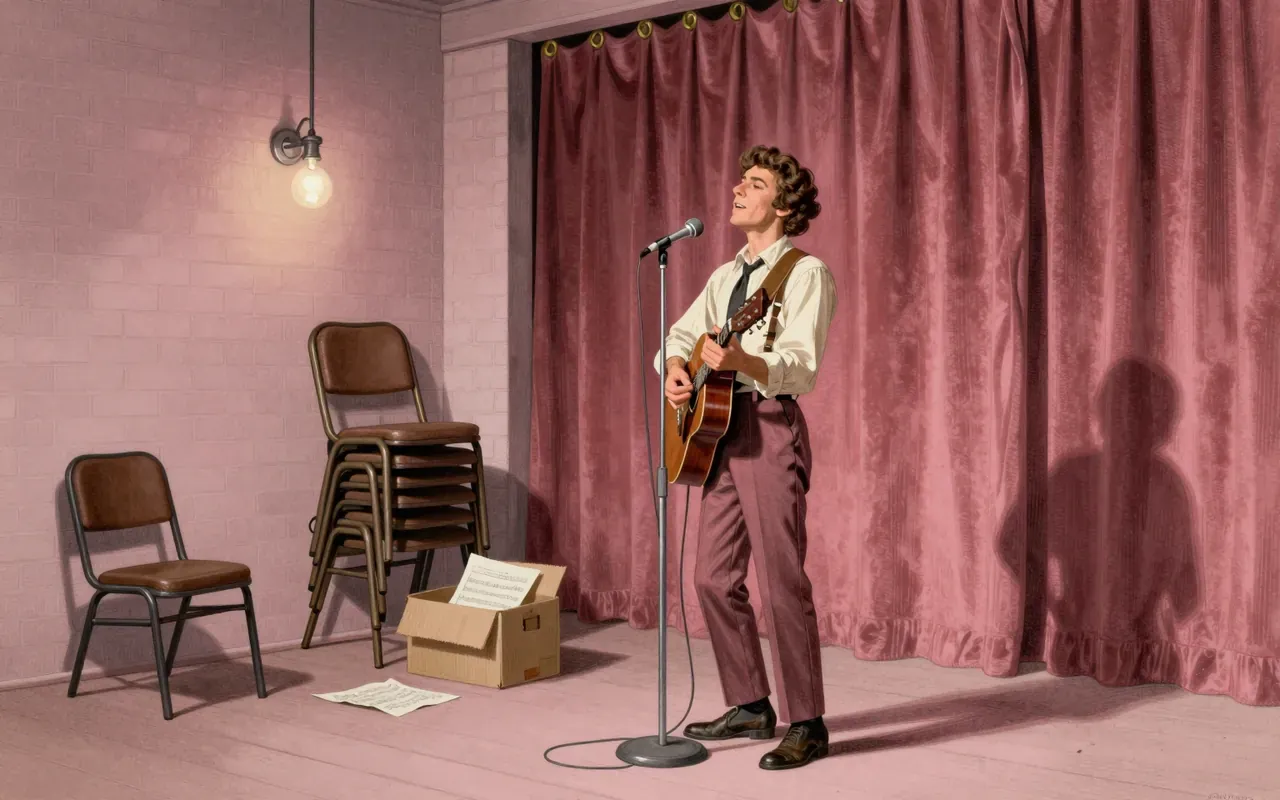
The Everly Brothers is the 1958 eponymous debut album of Don and Phil Everly. Archie Bleyer produced it. It features only their steel-string acoustic guitar playing and close-harmony singing.
How it sounds, and how it was made
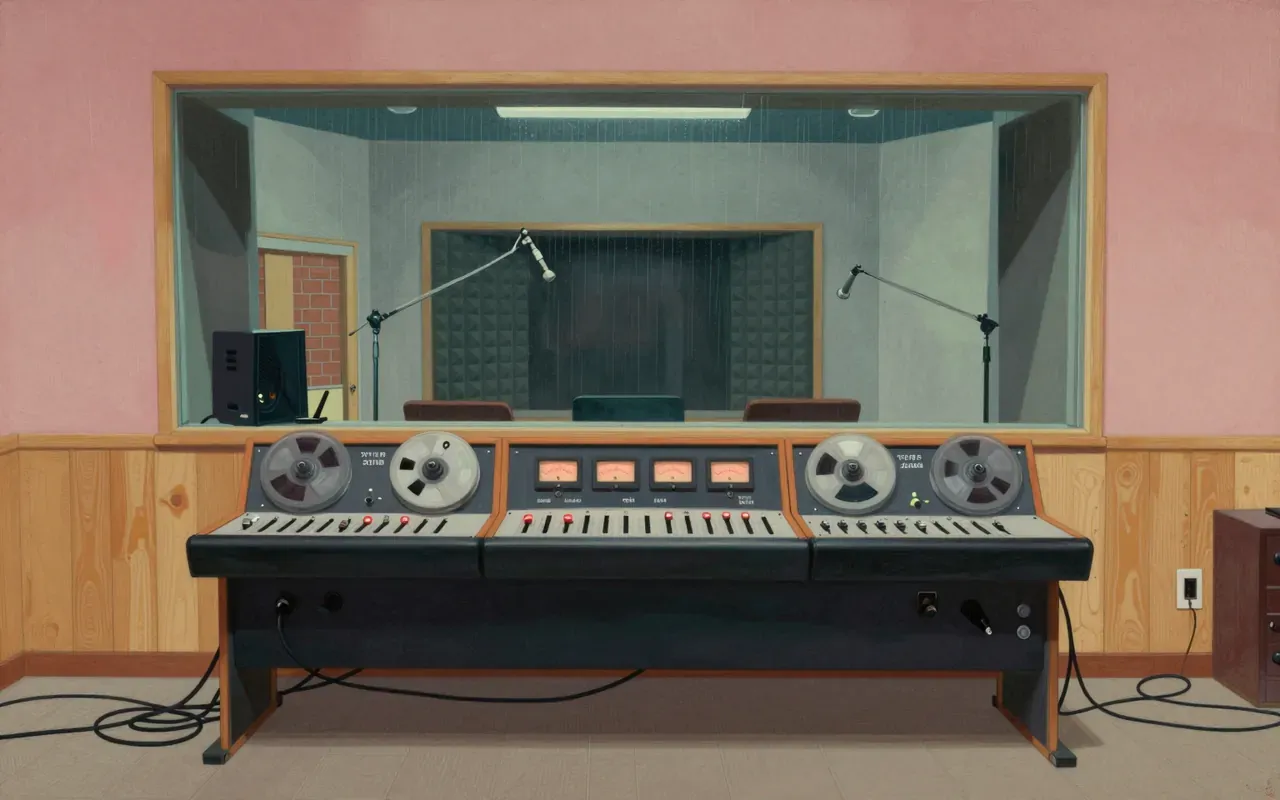
Steel-string acoustic guitars drive every track. Don sings baritone, Phil tenor. Their voices overlap intricately, subtly — no reverb, no studio trickery, just two mics in a dry room capturing close harmony and tight rhythm. Archie Bleyer produced it. No other instruments are credited.
What lands
The vocal interplay lands. ‘Bye Bye Love’ and ‘Wake Up Little Susie’ lock into their grooves with unbroken rhythmic clarity. ‘Keep a Knockin’’ and ‘Rip It Up’ translate Little Richard’s energy into acoustic precision without losing heat.
What does not
It does not build momentum across the running order. It does not vary timbre — no bass, no drums, no piano, no backing vocals. It does not slow down or open up. Every track sits at the same dynamic and textural threshold.
The ideas inside it
Loyalty and betrayal in romance. Urgency in young love. The friction between propriety and desire. These are carried by phrasing, not lyrics — the way ‘Wake Up Little Susie’ tightens its vowels on ‘susie’, how ‘Leave My Woman Alone’ leans into consonants like a warning.
Who should hear it, and who should not
Songwriters should hear it. Guitar players who work with voice should hear it. Anyone curious how country rock began should hear it. Fans of lush arrangements or studio-as-instrument records should not.
Is it worth your time
Yes, if you want to hear how country, rock and pop fused before the genre lines hardened. No, if you expect layered production, instrumental solos, or vocal experimentation beyond the duo’s locked harmonies.