What the record is and where it came from
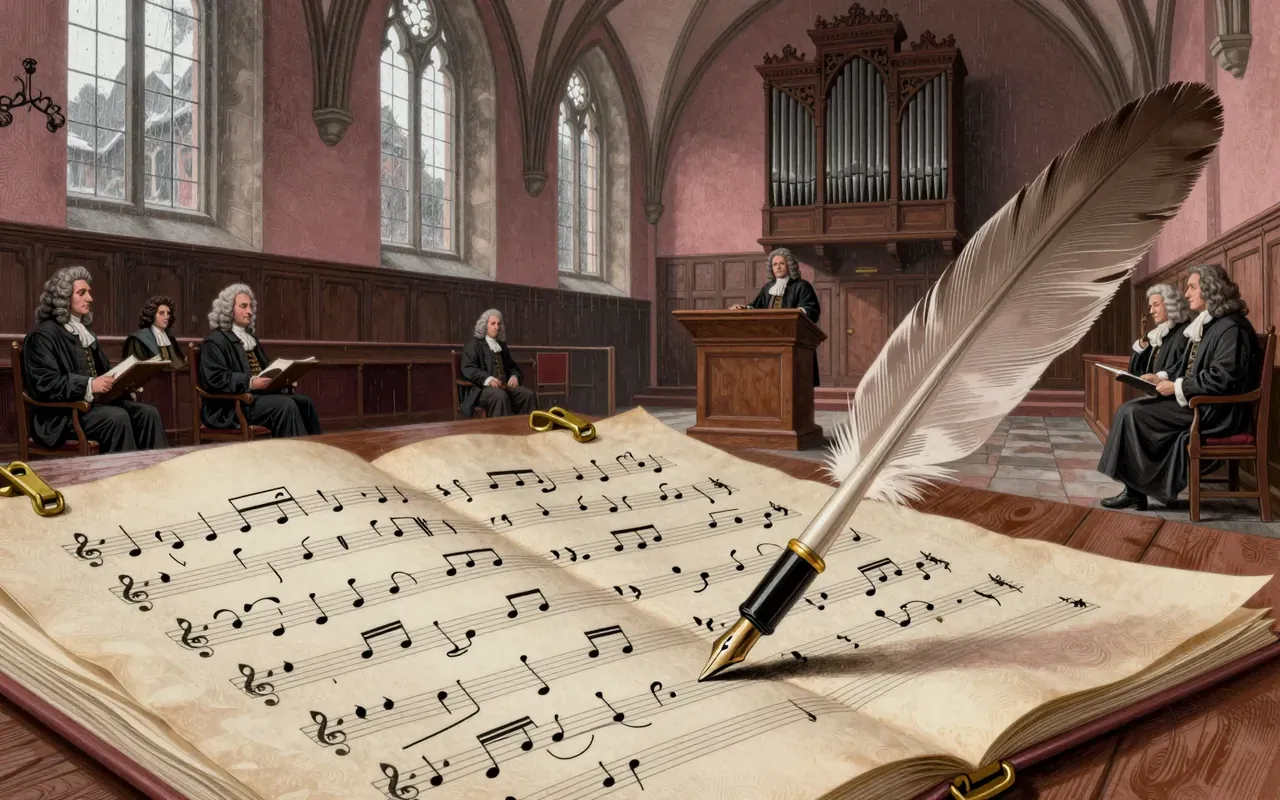
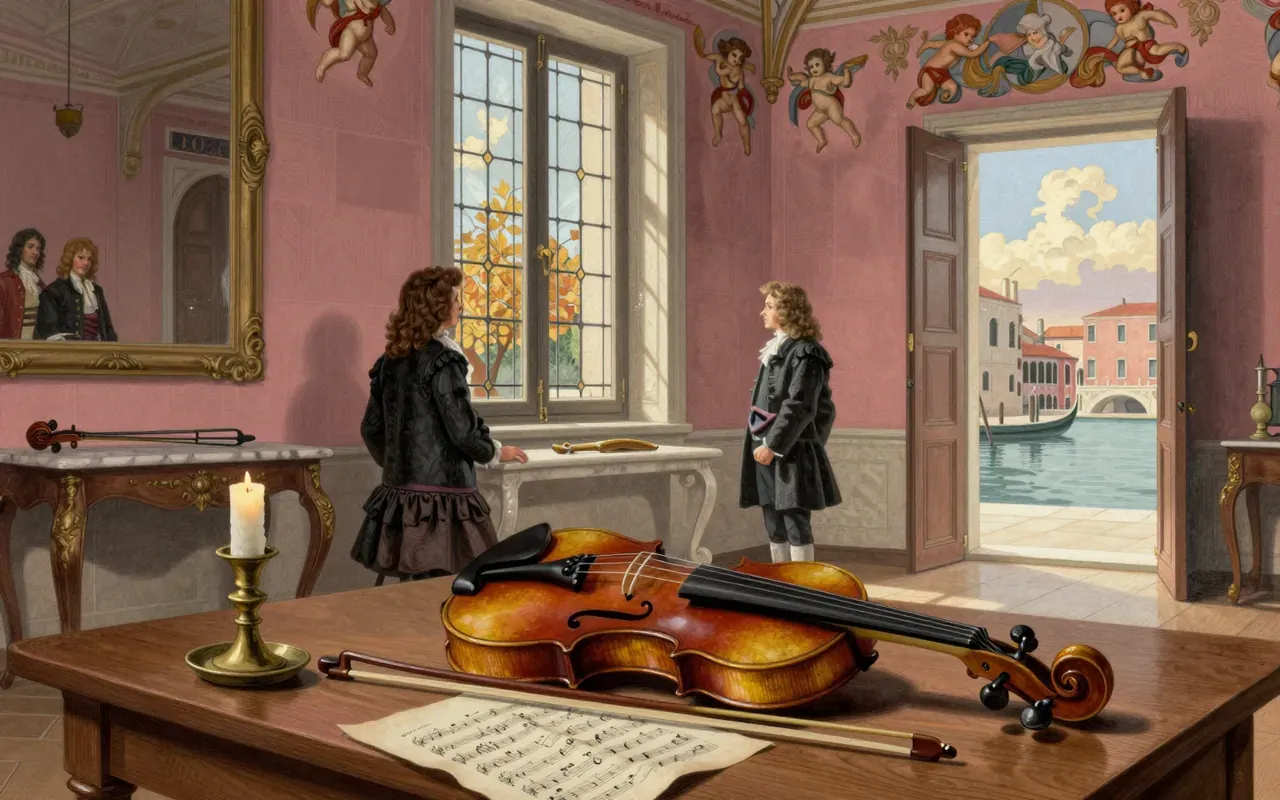
This is Antonio Vivaldi’s The Four Seasons: four violin concertos composed in 1723, published in 1725 as Opus 8, Nos. 1–4. It was inspired by the countryside around Mantua. Each concerto pairs with a descriptive sonnet, possibly by Vivaldi. ‘Spring’ borrows motifs from a sinfonia in Il Giustino; the others are original.
How it sounds, and how it was made
The record is a set of four violin concertos. Each concerto has three movements. The music is programmatic: it depicts scenes from nature and human life. It uses string textures, solo violin lines, and orchestral interplay to evoke images. No tempo, key, or instrumentation beyond violin and strings is stated in the sources. The sonnets guide the depiction, not the recording’s production choices.
What lands
It lands as a coherent set of tone poems in concerto form. Each season is fully realised through contrasted tempi and recurring motifs. ‘Spring’ opens with energy and returns to it. ‘Winter’ closes with shivering gestures and sudden warmth. The sequence builds a cyclical logic — birth, intensity, harvest, dormancy — anchored by violin-led storytelling.
What does not
It does not innovate harmonically or formally beyond its time. It does not use electronics, non-string instruments, or extended techniques. It does not reinterpret the sonnets ironically or abstractly. It does not omit the pastoral or anthropomorphic. It does not separate sound from scene.
The ideas inside it
The ideas are seasonal transformation, human-nature entanglement, and sonic mimesis. It treats music as descriptive language: streams flow, birds sing distinct species, dogs bark, mosquitoes buzz, shepherds cry, storms rage, dancers stagger drunk, nights fall silent, hunts unfold from both sides, ice cracks, children skate, fires warm. These are not metaphors. They are literal musical representations claimed by the source.
Who should hear it, and who should not
People who want to hear music that names things — not just suggests them. People curious about pre-Romantic programme music. People who listen for narrative in structure, not just melody. Not people seeking virtuosic reinterpretation, studio innovation, or conceptual distance from the pastoral.
Is it worth your time
Yes — if you want to hear how music can narrate weather, animals, movement, and emotion without words. No — if you expect modern recording fidelity, interpretive novelty, or structural experimentation beyond what the sources describe.