Aida
A studio recording of Verdi’s Aida, made in 1989. Contains all vocal and orchestral numbers across four acts. Omits Verdi’s rejected overture. No source material describes performers, conductor, recording venue, or engineering choices.
A low, dark opera built by deleting violins — and a Western fantasy dressed as ancient ritual.
Einstein on the Beach is a 1979 recording of Philip Glass’s 1976 opera—the first of his portrait trilogy—composed in 1975 in Cape Breton, Nova Scotia, in close collaboration with Robert Wilson. It incorporates Parts 1 and 2 of Another Look at Harmony. The 1979 recording features Paul Zukofsky on solo violin.
The material confirms only three facts: Glassworks (1982, CBS Records) contains unused film music—including 'Façades'—and broadened Glass’s audience. Nothing else is verified.
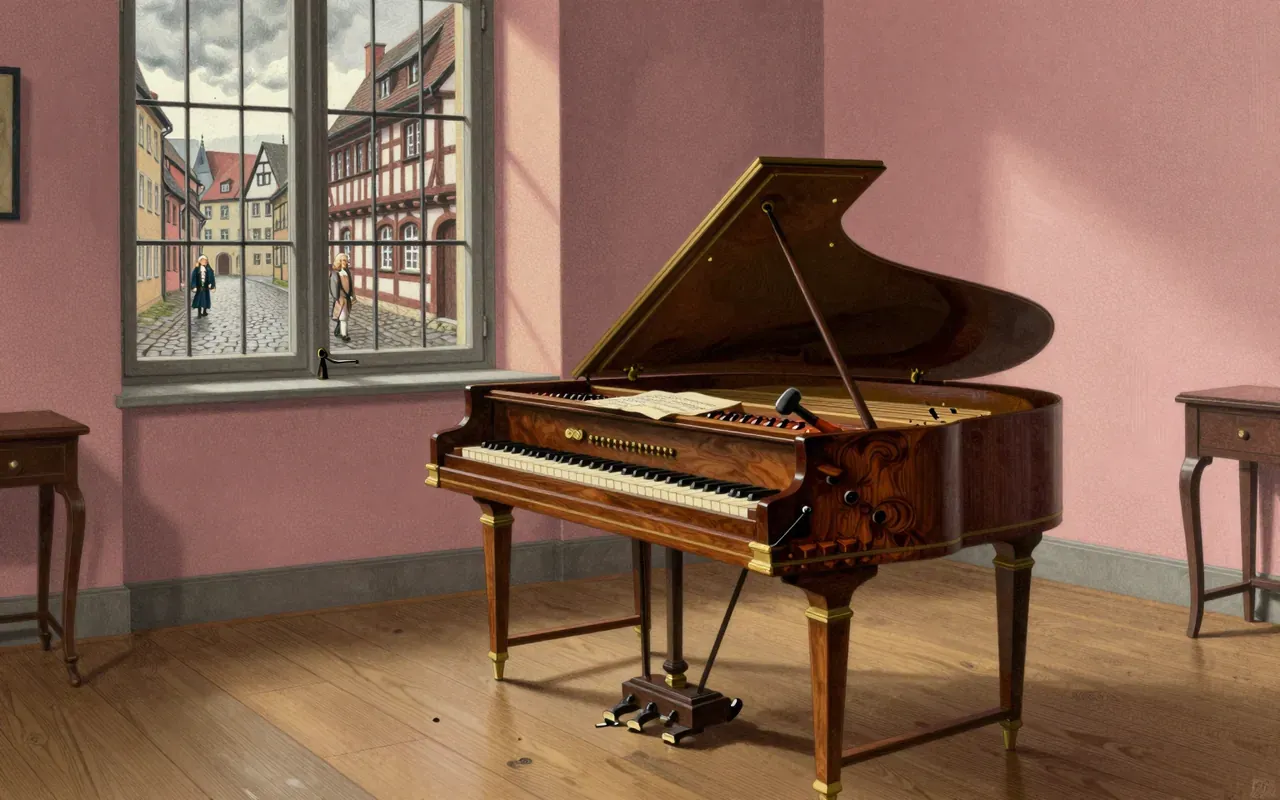
The Goldberg Variations is a 1741 harpsichord work by J.S. Bach. It contains an aria and thirty variations built on the aria’s bass line and chord progression — not its melody. Bach specified a two-manual instrument and marked eleven variations for two manuals, three for either. It was published during his lifetime by Balthasar Schmid of Nuremberg using engraved copper plates. It is the fourth and final volume of the Clavier-Übung series and contains nine canons.
A 1988 studio recording of Verdi’s Il trovatore, presenting 24 aria excerpts in strict sequence. No production context is provided. Its value lies only in its alignment with long-standing reception patterns — particularly around ‘Miserere’ and ‘Di quella pira’ — not in interpretive originality or sonic distinction.
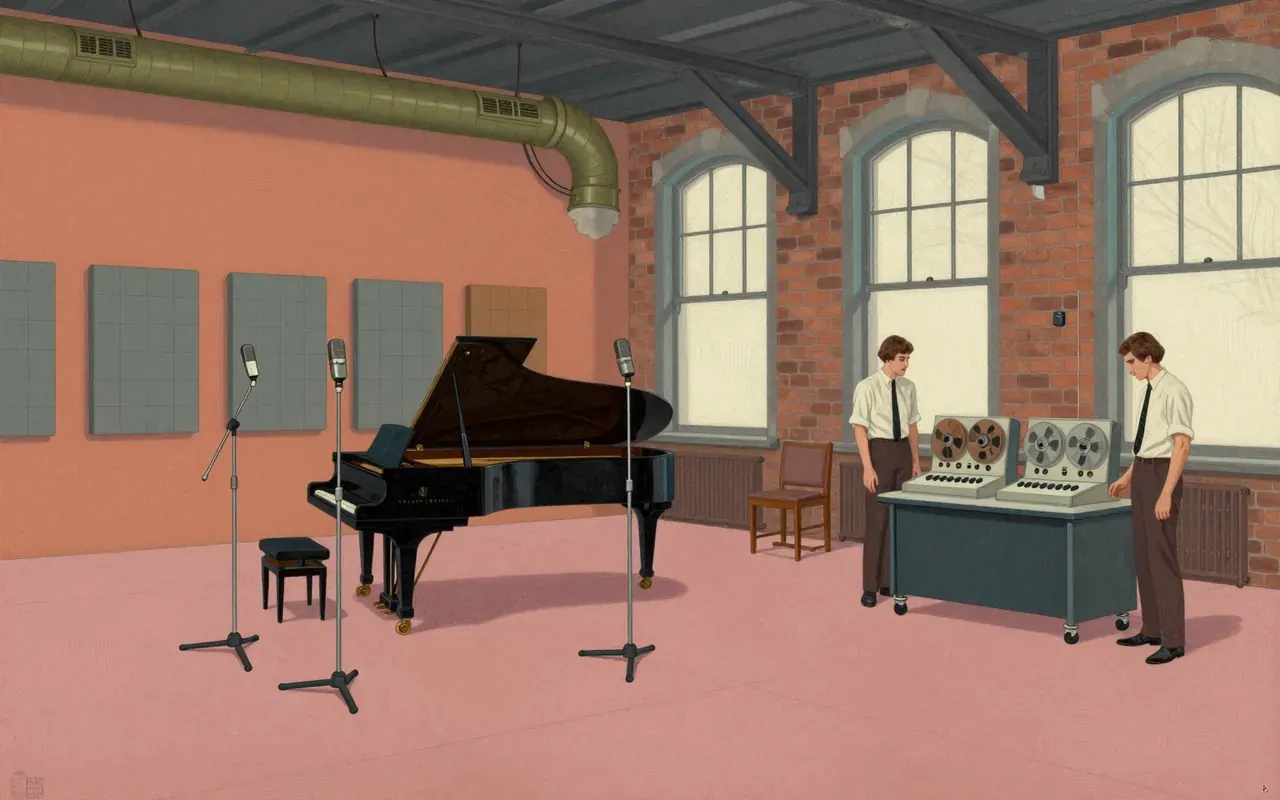
Terry Riley’s 1968 recording of In C is a landmark of process-based composition. Its sound is defined by collective repetition, room acoustics, and the physical limits of piano strings and vinyl grooves. It does not seek expression — it sets conditions and listens.
A live document of mourning made structural. Three ragas, three times of day, two voices in dialogue, one drone holding them all.
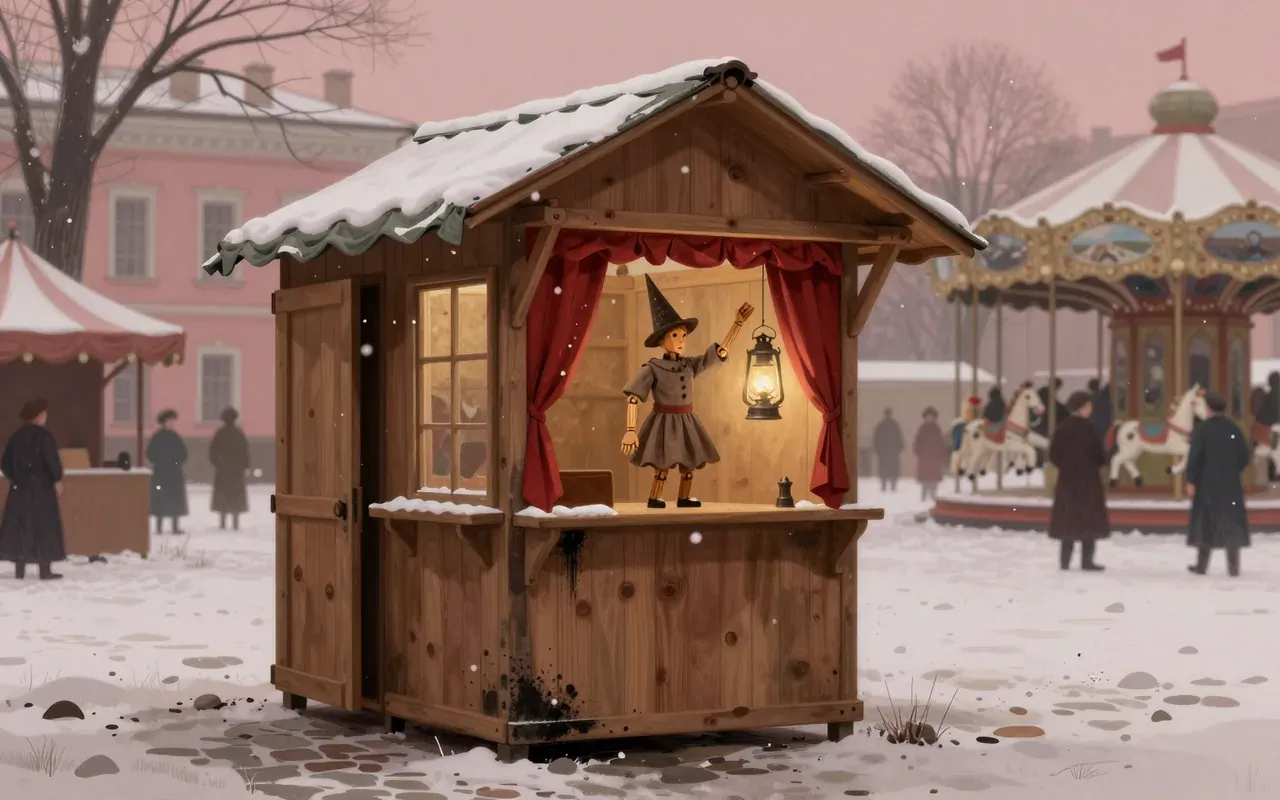
This is a 2018 recording of Stravinsky’s 1911 ballet Petrushka — a work rooted in Russian puppet tradition, set during Maslenitsa in 1830 Saint Petersburg, and built from folk tunes, Lanner waltzes, a French music hall melody, and Rimsky-Korsakov. Its defining feature is the 'Petrushka chord', an early use of bitonality. The record also includes Concertino, Agon, and Scherzo à La Russe — but the sources say nothing about how this 2018 version interprets them.
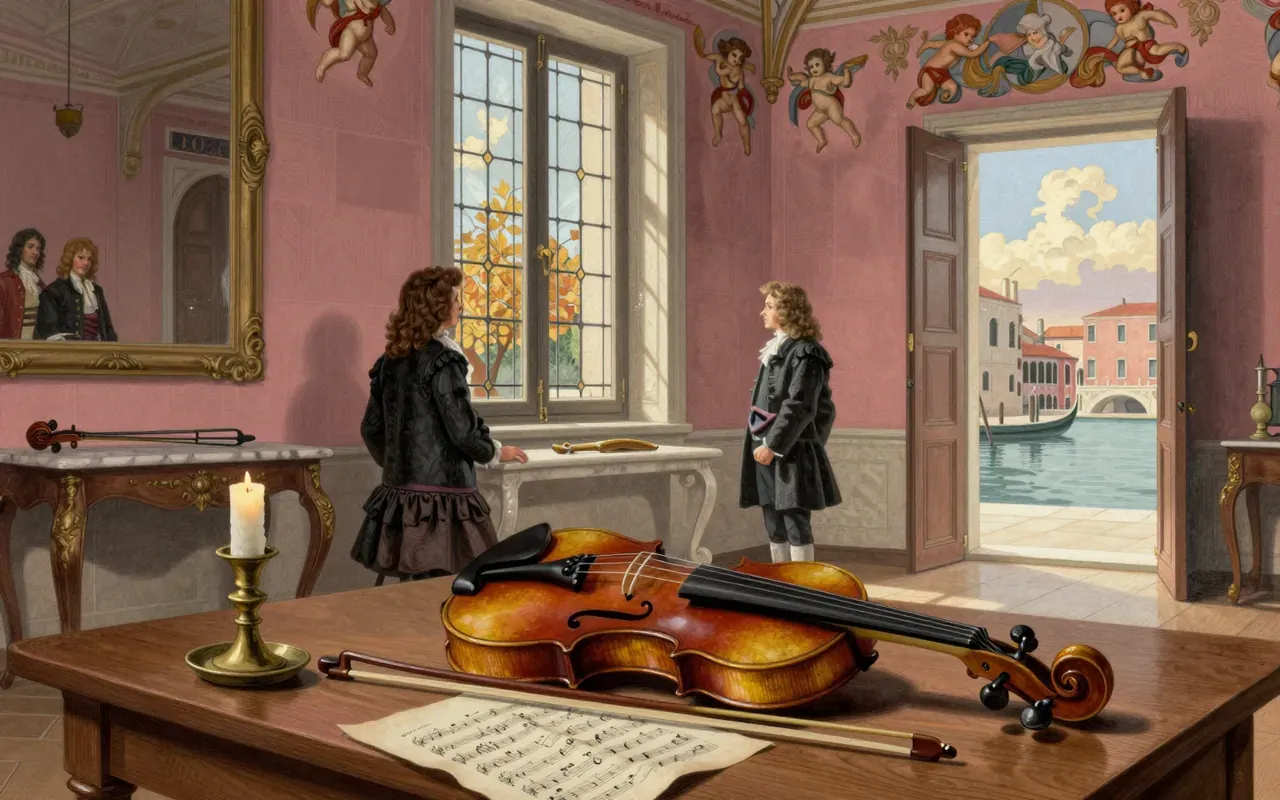
Rigoletto (1989) is a recording of Verdi’s 1851 opera, premiered at La Fenice in Venice. It uses offstage band, onstage chamber strings, and pit orchestra as distinct dramatic agents. Its innovations include melody assigned to low woodwinds and strings—not voices—in key duets; humming chorus as diegetic wind; and continuous pacing that replaces sectional numbers. Censorship shaped its structure: the Duke substitutes for royalty, and 'La donna è mobile' was rehearsed in isolation to control its impact. It contains only one conventional double aria and no concerted act finales. Julian Budden calls it revolutionary—comparable to Beethoven’s Eroica—for dissolving barriers between recitative and melody.
Satyagraha is Philip Glass’s 1979 opera, recorded in 1985, based on Gandhi’s early South African years. It uses Sanskrit text, symphony orchestra, chorus, and solo voices to embody the concept of satyagraha — not narrate it. Repetition is its grammar. Resistance is its rhythm. It does not explain. It insists.
The Art of Fugue is not a piece to be performed. It is a set of problems posed in musical notation. Its 1995 recording makes no claim to solve them — only to present the lines as clearly as possible. It is austere. It is complete in its incompleteness. It asks only that you follow the voices.
The 1928 Columbia recording is the first orchestral capture of Stravinsky’s 1910 ballet — conducted by the composer, using whole-tone and octatonic harmony as dramatic agents, and deploying extended techniques as deliberate ruptures. It is not nostalgic. It is not polite. It is structural storytelling in sound.
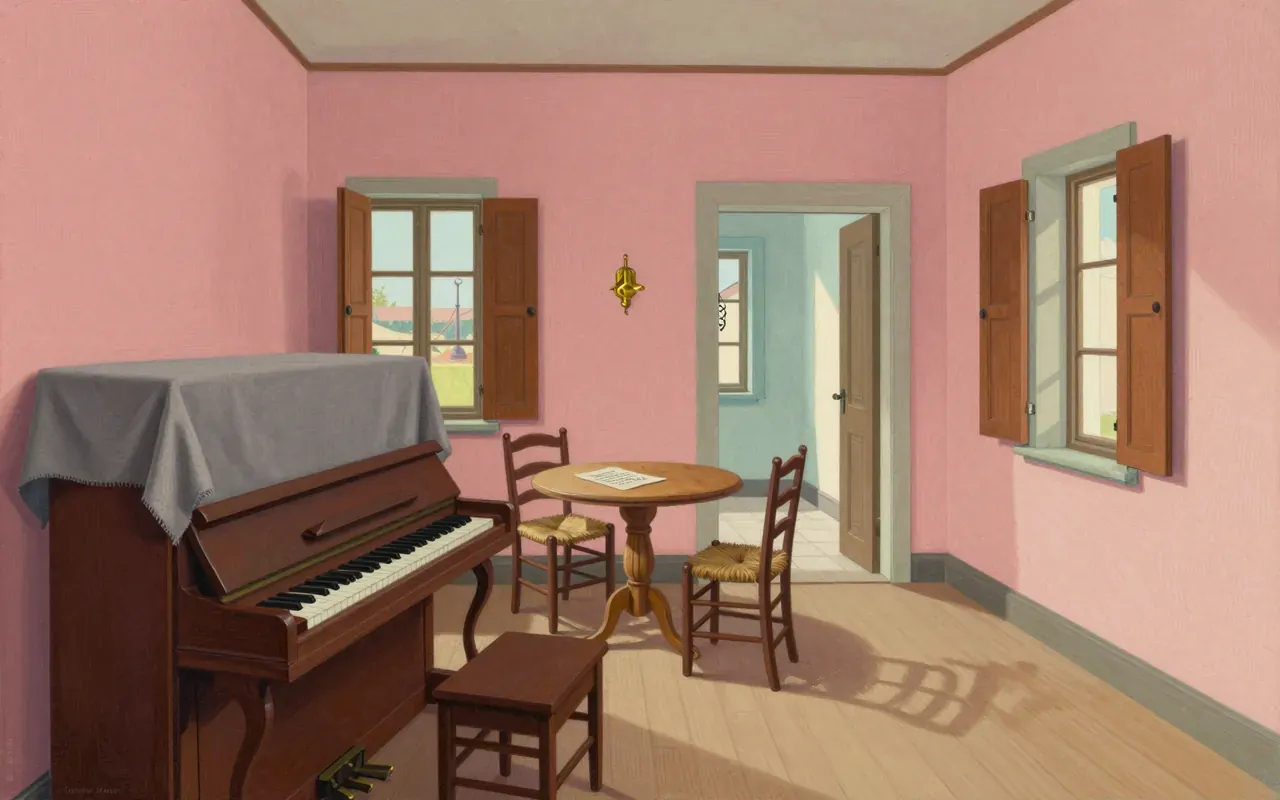
A 1960 recording of Stravinsky’s 1913 ballet score, conceived as a solemn pagan rite depicting a young girl dancing herself to death. Composed in a tiny room in Clarens, Switzerland, using a muted upright piano. Its sound features uneven rhythms, superimposed harmonies, atonality, and extensive instrumentation. The opening bassoon melody derives from a Lithuanian folk song anthology. Its 1913 premiere caused a near-riot due to its avant-garde nature. It scattered musical language irreversibly, influencing composers including Copland, Glass, Bartók, and Boulez.