Mobb Deep’s The Infamous… (1995) is a tightly wound, sample-based document of life inside Queensbridge Houses. Havoc’s production is claustrophobic and precise. Q-Tip’s mixing adds weight without warmth. The record trades in arithmetic, not allegory — survival as calculation, not catharsis. ‘Shook Ones, Pt. II’ remains its most potent distillation: minimal, menacing, and unrelenting.
Film placements are the ones described in each film's own entry, so the list is partial rather than complete.
Worth your time?
Yes. Hear the whole thing.
4.5/ 5
What works
Shook Ones, Pt. II
Survival of the Fittest
Cradle to the Grave
What does not
uplift
melody
narrative closure
Hear it if
people who want hip-hop that treats rhythm as tension and voice as weather
Skip it if
people who need melody, warmth, or narrative closure
Who should hear it, and who should skipHide who it is for
The written brief1 min read
What the record is and where it came from
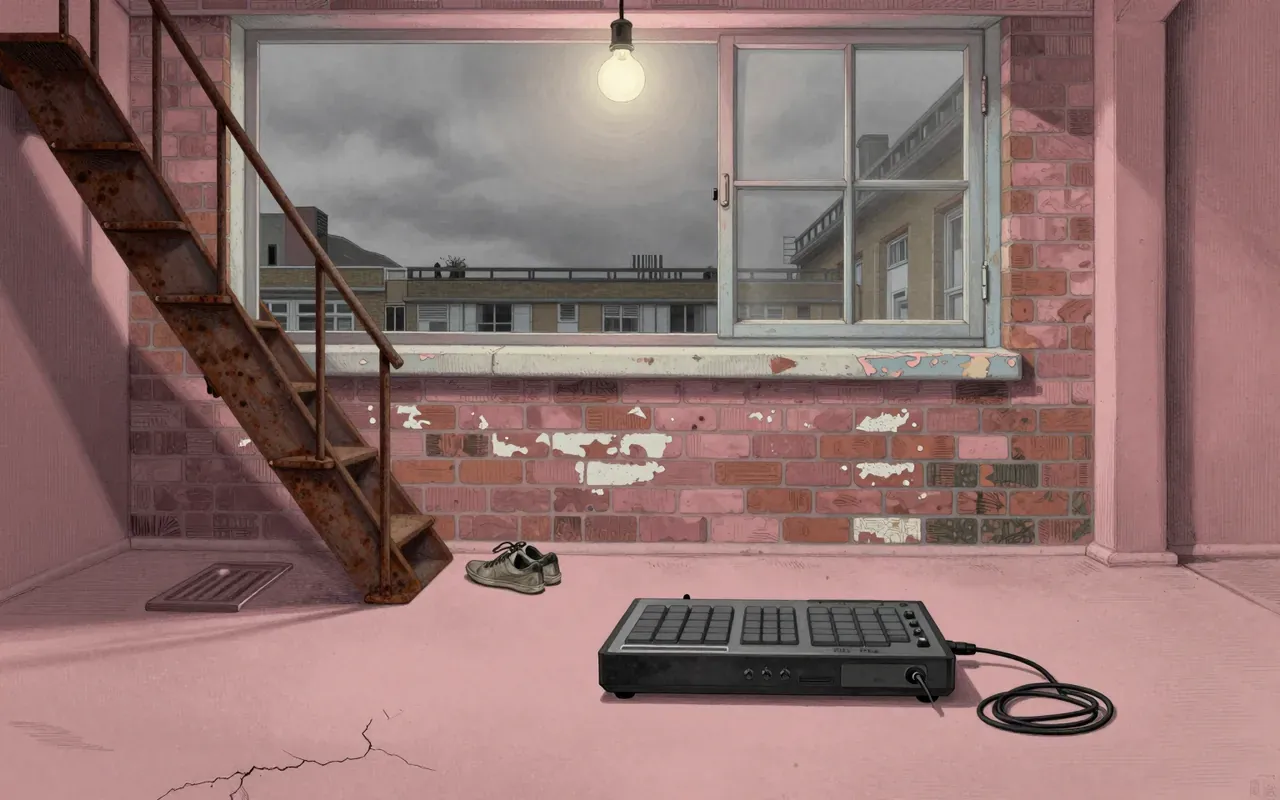
It is Mobb Deep’s second album. It is their first major success. It came from Queensbridge Houses, where Havoc grew up. Its title came from a friend named Yamit, who had ‘The Most Infamous’ tattooed on his biceps.
How it sounds, and how it was made
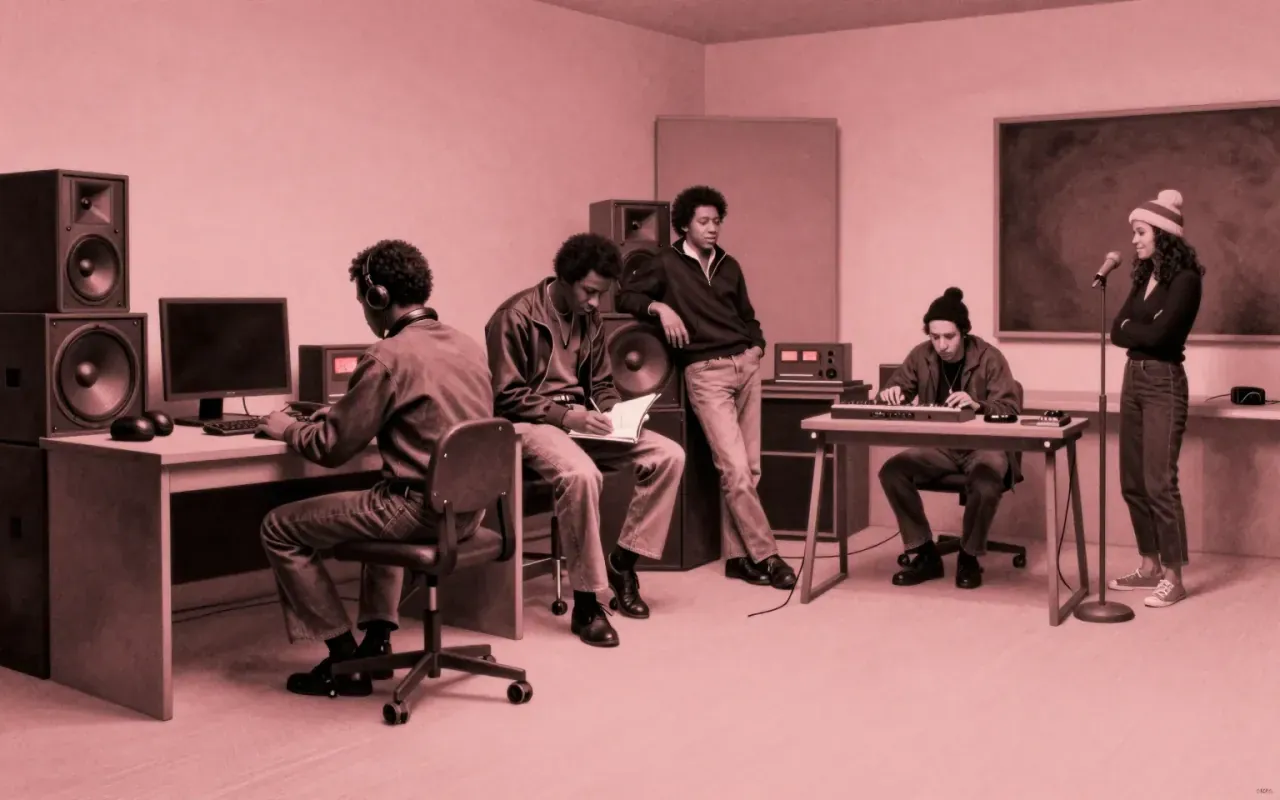
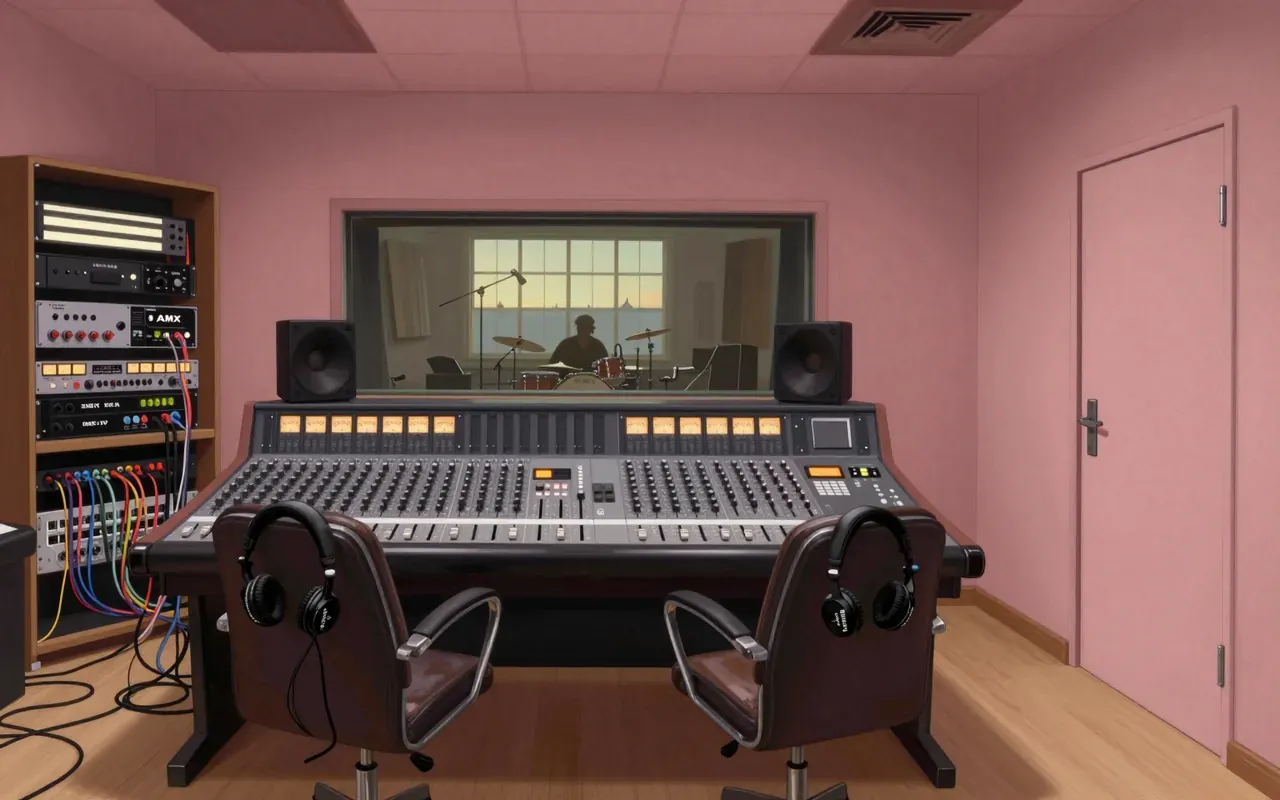
The sound is dark and sample-based. Havoc produced the beats. Q-Tip contributed to production and mixing. The record was cut in a room that shaped its claustrophobic, close-mic’d textures — no reverb, no space between voices and drums.
What lands
‘Shook Ones, Pt. II’ lands with its skeletal beat and Prodigy’s monotone threat. ‘Survival of the Fittest’ lands with its reversed piano loop and unblinking gaze. ‘Cradle to the Grave’ lands as the album’s moral centre — no resolution, only consequence.
What does not
It does not offer uplift. It does not soften its language. It does not use live instrumentation beyond samples. It does not name-check locations outside Queensbridge.
The ideas inside it
It establishes Queensbridge Houses as a character — not a setting, but a force. It treats survival as arithmetic, not drama. It refuses redemption arcs or moral framing.
Who should hear it, and who should not
People who want hip-hop that treats rhythm as tension and voice as weather. Not people who need melody, warmth, or narrative closure.
Is it worth your time
Yes. It repays attention with sonic density and narrative precision. It is not background music. It demands focus.